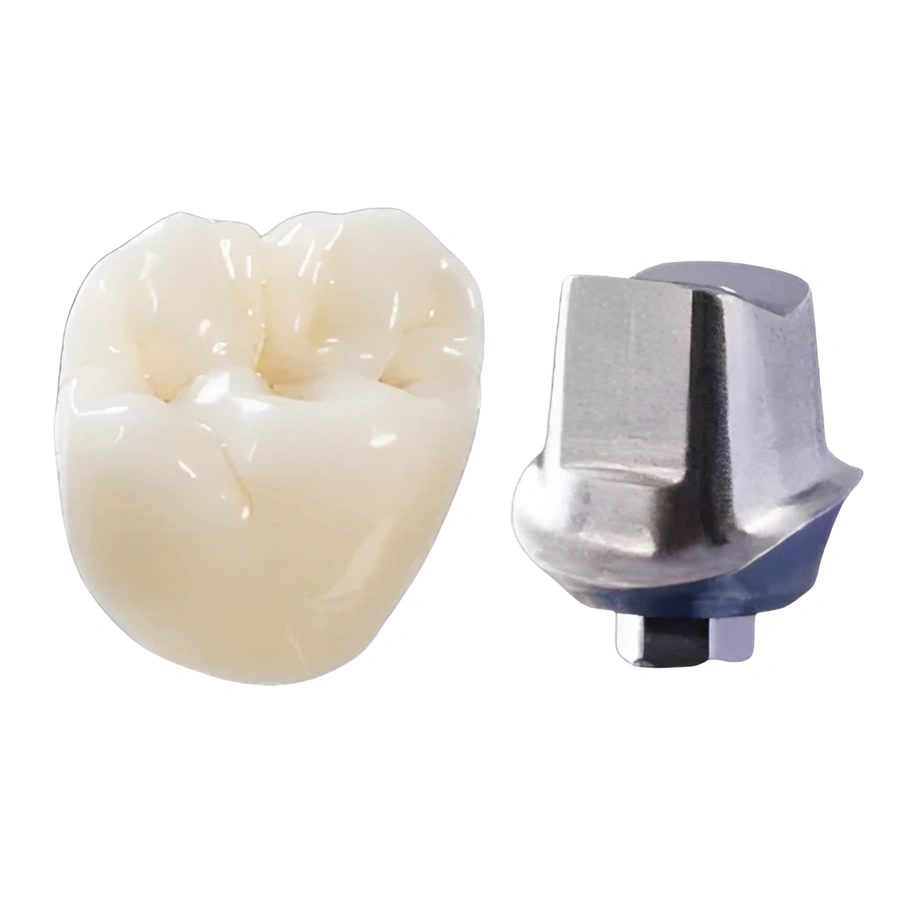
Dental additive manufacturing is changing the way dental labs build restorations. Instead of removing material to shape a restoration, additive processes build it up layer by layer. This opens entirely new possibilities for precision, customization, and efficiency.
For dentists and practices across Greater Phoenix — from Scottsdale to Chandler — this technology means faster turnaround times and higher-quality results. Additionally, it allows labs to produce restorations that were previously difficult or impossible to fabricate by hand.
At Dentek Digital, we have embraced these advances from the very beginning. Therefore, our dental partners benefit from some of the most capable and consistent fabrication workflows available anywhere in Arizona today.
What Is Additive Manufacturing in a Dental Lab?
Additive manufacturing is commonly known as 3D printing. However, in a professional dental lab setting, it goes far beyond a desktop printer. It involves highly precise machines that build structures from digital files with extraordinary accuracy.
The process starts with a digital scan or design file. Then, the machine deposits or cures material in thin, precise layers. Finally, the result is a restoration or model that matches the digital design almost exactly.
This is a core part of the broader CAD/CAM dentistry workflow. As a result, additive manufacturing works hand in hand with digital scanning, computer-aided design, and milling technologies to create a fully digital pipeline from impression to final restoration.
How It Differs from Subtractive Manufacturing
Subtractive manufacturing mills or grinds away material from a solid block. Additive manufacturing builds the object up from nothing. Because of this, additive methods can produce complex internal geometries that milling cannot always achieve.
Moreover, additive manufacturing often generates less material waste. This makes it a more efficient option for certain restoration types, especially models, surgical guides, and removable appliances.
Key Benefits of Additive Manufacturing for Dental Practices
Understanding why additive manufacturing matters helps dental professionals make better decisions for their patients. Furthermore, it helps practices across Mesa, Gilbert, and Tempe choose the right lab partner to support their digital workflows.
1. Greater Design Flexibility
Additive manufacturing allows for complex shapes and internal structures that traditional methods cannot easily produce. For example, thin-walled surgical guides or detailed model bases are well-suited to 3D printing. This flexibility gives labs far more creative and clinical freedom.
Additionally, digital design tools let our technicians customize each restoration to the patient’s exact anatomy. Therefore, the fit tends to be more precise and predictable from the start.
2. Faster Production Cycles
Speed is one of the most significant advantages of additive manufacturing. Because machines run automatically once a design is approved, production can begin almost immediately. This reduces manual labor time and accelerates delivery to the dental office.
For busy practices in Scottsdale or Chandler, faster lab turnaround directly benefits patient scheduling. Moreover, same-day or next-day models and guides are increasingly within reach when digital workflows are used end to end.
3. Consistent, Repeatable Quality
Every printed restoration follows the same digital file precisely. As a result, quality stays consistent from one case to the next. There is far less variability compared to purely manual fabrication methods.
Furthermore, digital records make it straightforward to reproduce or adjust a restoration if needed. This consistency gives dentists and their patients greater confidence in the outcome.
4. Expanded Range of Restorations and Appliances
Additive manufacturing supports a wide variety of dental products. These include:
- Diagnostic and working models — printed directly from digital scans
- Surgical guides — for precise implant placement
- Nightguards and splints — fabricated with consistent thickness and fit
- Removable appliance bases — complex designs produced with ease
- Provisionals and temporaries — printed quickly to protect patient comfort during treatment
In addition, as materials continue to advance, the clinical applications of 3D printing in dental labs keep expanding. Therefore, the range of what is possible grows every year.
5. Reduced Material Waste
Traditional subtractive methods can waste a significant portion of raw material. On the other hand, additive manufacturing uses only what is needed to build the restoration. This makes production more economical and environmentally responsible over time.
Moreover, better material utilization helps keep lab costs more predictable. As a result, labs can deliver competitive pricing without sacrificing quality for dental practices of all sizes.
Additive Manufacturing and Implant Planning
One of the most exciting applications of dental additive manufacturing is in implant workflows. Surgical guides printed from digital implant plans allow clinicians to place implants with far greater accuracy. This reduces chairtime and supports more predictable outcomes for patients.
At Dentek Digital, our digital implant planning service integrates directly with our 3D printing capabilities. Therefore, dentists across the Greater Phoenix area — including communities like Mesa and Gilbert — can receive precise, case-specific surgical guides that match their treatment plans exactly.
Furthermore, printed study models and diagnostic wax-ups help both the clinician and patient visualize the final result before treatment begins. This improves communication and sets clear expectations from the very first appointment.
How Printed Surgical Guides Improve Outcomes
A well-designed surgical guide translates a digital plan into a physical tool the clinician uses chairside. Because the guide is built from the patient’s own scan data, it fits precisely on the arch. As a result, implant angulation and depth are more predictable.
Additionally, guided surgery can reduce the complexity of some implant procedures. However, the guide is only as good as the planning behind it. This is why partnering with an experienced digital dental lab matters enormously.
Supporting Nightguards, Splints, and Removables
Additive manufacturing also transforms how labs produce nightguards, splints, and removable appliances. Traditionally, these items required stone models, vacuum-forming, and significant hands-on finishing. Now, digital workflows streamline every step.
First, a digital scan replaces the physical impression. Then, the appliance design is completed in software. Finally, the lab prints either the model or the appliance itself, depending on the material and design specifications.
For dental practices in Tempe or Chandler managing a high volume of splint cases, this means faster delivery and a more comfortable fit for patients. Moreover, digital records allow easy remakes or adjustments without requiring a new impression appointment.
What Dentists Should Know About Choosing a 3D Printing-Capable Lab
Not all dental labs have invested equally in additive manufacturing technology. Therefore, it is worth knowing what to look for when selecting a lab partner. Here are a few practical considerations:
- Material range: Does the lab print in multiple materials suited to different clinical needs?
- Equipment quality: Professional-grade printers deliver far better accuracy than consumer-level machines.
- Integration with your scanner: The lab should accept files from major intraoral scanners without conversion loss.
- Turnaround expectations: Confirm realistic timelines based on your case types and volume.
- Communication and support: A responsive lab team makes case management smoother for your entire office.
Additionally, look for a lab that combines digital capability with experienced technicians. Because technology alone does not guarantee quality — skilled craftsmanship still plays a critical role in every restoration that leaves the lab.
If you are evaluating your options, contact Dentek Digital to discuss your case types and how our additive manufacturing capabilities can support your practice.
Frequently Asked Questions About Dental Additive Manufacturing
Is 3D printing the same as additive manufacturing in a dental lab?
Yes, 3D printing is the most common form of additive manufacturing used in dental labs today. However, the term additive manufacturing is broader and also includes other layer-by-layer fabrication methods. In dental applications, the two terms are often used interchangeably.
What types of dental restorations can be 3D printed?
Currently, labs commonly print models, surgical guides, nightguards, splints, removable appliance bases, and provisional restorations. Furthermore, printed final restorations in certain materials are becoming increasingly viable as technology advances.
How accurate are 3D-printed dental models and guides?
Professional-grade dental printers achieve a very high level of dimensional accuracy. However, accuracy depends on the quality of the original scan, the printer calibration, and the materials used. Therefore, partnering with a lab that maintains rigorous quality standards is essential.
Does additive manufacturing replace milling in dental labs?
Not entirely. Both technologies serve different purposes. Milling remains the preferred method for producing high-strength ceramic and zirconia restorations. On the other hand, additive manufacturing excels at models, guides, and appliances. A capable lab uses both to serve the full range of clinical needs.
How does Dentek Digital use additive manufacturing?
Dentek Digital integrates 3D printing into multiple workflows, including implant planning, surgical guide fabrication, splint and nightguard production, and model creation. Additionally, our additive capabilities support our broader digital CAD/CAM pipeline to deliver consistent, high-quality restorations to dental practices across Greater Phoenix.
Partner With a Digital Lab That Stays Ahead of the Technology
Dental additive manufacturing is not a trend — it is a fundamental shift in how dental restorations and appliances are made. Practices that align with labs embracing this technology gain a meaningful advantage in efficiency, quality, and patient satisfaction.
At Dentek Digital, we combine industry-leading technology with experienced craftsmanship. Therefore, every case we receive — whether from a practice in Scottsdale, Mesa, Gilbert, or right here in Phoenix — benefits from a workflow built for precision and reliability.
We are proud to be one of the earliest and most committed digital dental labs in the country. Moreover, we continue to invest in the tools and training that keep our partners at the forefront of modern dentistry.
Ready to elevate your restorations? Explore your options and send us a case today to experience the Dentek Digital difference firsthand.