
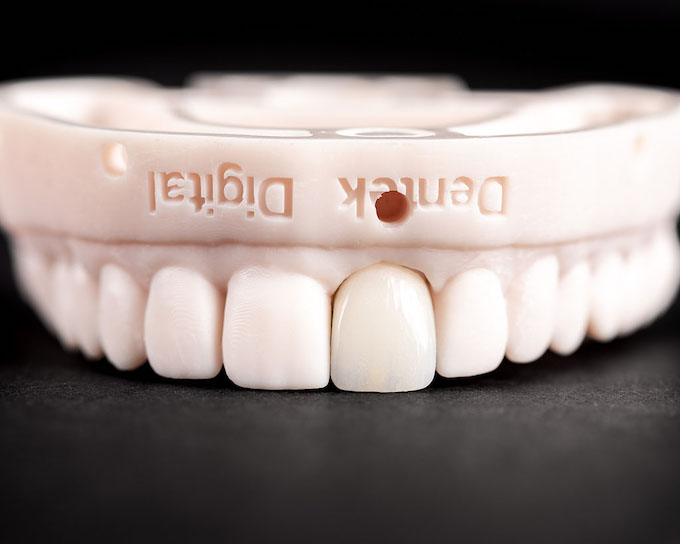
Full-arch implant cases are among the most transformative procedures in modern dentistry. For dental practices across Greater Phoenix, from Scottsdale to Gilbert, these cases are also growing in demand. That means strong all on x planning is no longer optional — it is essential for predictable outcomes.
However, planning a full-arch case involves far more than placing implants. It requires careful coordination between the clinical team and the dental lab from the very beginning. When that coordination happens early, the entire workflow becomes smoother and more reliable.
At Dentek Digital, we work closely with dental professionals throughout the Phoenix area to support complex implant restorations. In this guide, we cover the foundational elements every dental practice should understand before starting an All-on-X case.
What Is All-on-X and Why Does Planning Matter?
All-on-X refers to a full-arch implant restoration supported by four or more strategically placed implants. The concept uses angled implants to maximize bone contact and avoid critical anatomical structures. As a result, patients can receive a complete, fixed arch without the need for bone grafting in many cases.
Furthermore, the success of these cases depends heavily on the planning phase. Poor planning leads to restorative complications, prosthetic misfit, and unhappy patients. On the other hand, thorough planning sets the stage for a predictable, high-quality result.
The Role of the Dental Lab in All-on-X Cases
Many clinicians focus entirely on the surgical side of All-on-X. However, the restorative and lab side is equally critical. The dental lab team must understand the treatment goals before a single implant is placed.
Additionally, early lab involvement helps ensure that the final prosthesis is designed around the patient’s anatomy, smile, and function. At Dentek Digital, we encourage dental practices in Chandler, Mesa, Tempe, and across the Phoenix metro to engage us early in the process.
Key Elements of a Strong All-on-X Treatment Plan
Effective all on x planning covers several interconnected areas. Each element builds on the last. Therefore, skipping any step increases risk throughout the case.
1. Comprehensive Patient Assessment
Start with a thorough clinical evaluation. This includes bone volume, bone quality, and the patient’s occlusal history. Also consider systemic health factors that may affect healing and osseointegration.
Moreover, gather detailed records early. High-quality CBCT scans, intraoral scans, and photographs give the entire team — clinical and lab — the data needed for accurate planning. These records form the foundation of every decision that follows.
2. Prosthetic-Driven Implant Placement
This is one of the most important principles in modern implant dentistry. The restoration should drive the implant position — not the other way around. Because of this, the lab team must be involved before implant placement, not after.
A prosthetic-driven approach uses the planned final restoration as a guide for where implants should go. This ensures the implants emerge in positions that support an ideal dental restoration in terms of esthetics, function, and cleansability.
Furthermore, digital surgical guides — fabricated by the lab using CBCT and scan data — help the surgeon place implants with greater accuracy. At Dentek Digital, we use advanced CAD/CAM technology to design and mill precise surgical guides for cases across the Greater Phoenix area.
3. Smile Design and Esthetic Goals
All-on-X patients are often motivated by esthetics as much as function. Therefore, capturing their smile goals early is essential. Use photographs, diagnostic wax-ups, or digital smile design tools to establish a visual target.
Additionally, set realistic expectations with the patient. The final prosthesis should complement their facial structure, lip support, and natural tooth proportions. Your lab partner plays a key role in translating those goals into a functional design.
Choosing the Right Prosthetic Materials
Material selection is a major component of all on x planning. The right material depends on the patient’s bite force, esthetics goals, and budget range. However, the lab can only make the best recommendation when they have complete case information.
Common Material Options for Full-Arch Prostheses
There are several material categories commonly used for All-on-X restorations. Each has its own strengths and clinical considerations.
- Zirconia: Highly durable and esthetic. Monolithic or layered zirconia is a popular choice for full-arch cases requiring long-term strength.
- Acrylic/PMMA: Often used for transitional or provisional prostheses. Also used in hybrid designs with a titanium or zirconia substructure.
- Hybrid (Ti-base with acrylic or composite): Offers a balance of strength and repairability. A strong option for patients with high bite forces.
Moreover, the framework material and connection type must be compatible with the implant system being used. Always confirm these details with your lab before finalizing a treatment plan. Our team at Dentek Digital works with a wide range of implant systems and can help you navigate material and component choices.
The Digital Workflow Advantage in All-on-X Planning
Digital technology has fundamentally changed how All-on-X cases are planned and executed. First, digital records eliminate much of the guesswork associated with traditional analog workflows. Next, CAD/CAM fabrication delivers restorations with exceptional fit and consistency.
Additionally, digital planning software allows clinicians and lab teams to visualize the entire case before any treatment begins. This means potential problems can be identified and corrected in the planning stage — not at the chair.
How Dentek Digital Supports the Digital Workflow
As one of the earliest adopters of the digital CAD/CAM workflow in the country, Dentek Digital brings deep expertise to every implant case. We use advanced design and milling technology to fabricate high-quality full-arch prostheses with consistent, precise results.
Furthermore, we offer digital implant planning services to help dental practices in Scottsdale, Gilbert, Tempe, and throughout Phoenix approach these cases with confidence. Our team reviews case records, flags potential issues early, and communicates clearly throughout the process.
We also offer our exclusive TattooTH service, which adds another dimension of precision and customization for complex restorative cases. Contact our team to learn how TattooTH can enhance your next full-arch restoration.
Managing the Provisional Phase
The provisional prosthesis is not just a temporary solution. In fact, it serves as a diagnostic tool. It helps confirm esthetics, occlusion, and phonetics before the final restoration is fabricated. Therefore, invest in a well-designed provisional from the start.
Additionally, use the provisional phase to evaluate the patient’s tissue response and occlusal stability. Any adjustments made during this phase should be documented and communicated back to the lab. This feedback loop is essential for a successful final prosthesis.
Transitioning from Provisional to Final
When the provisional has been approved by both the clinician and the patient, the final restoration can begin. Send the lab a complete set of updated records, including photos, scans, and any occlusal adjustments that were made.
Moreover, clear communication at this stage prevents costly remakes. The more information the lab has, the better the final result will be. At Dentek Digital, we make the transition from provisional to final as streamlined as possible for our partner practices.
Frequently Asked Questions About All-on-X Planning
When should I involve the dental lab in an All-on-X case?
Involve the lab as early as possible — ideally before any surgical planning begins. Early lab involvement supports a prosthetic-driven approach, which leads to better implant positioning and a more predictable final restoration.
What records does Dentek Digital need to get started?
We typically work with CBCT scans, intraoral scans or impressions, photographs, and any existing diagnostic work. The more complete your records, the faster and more accurately we can support your case.
How long does the All-on-X process typically take?
Timelines vary based on the patient’s clinical needs, the healing phase, and the number of appointments. However, a well-planned case with clear lab communication typically moves more efficiently from start to finish.
Can Dentek Digital help with surgical guide fabrication?
Yes. We fabricate digital surgical guides using CBCT and scan data to support accurate, prosthetically driven implant placement. Contact our team to discuss your case details and we will walk you through the process.
What implant systems does Dentek Digital work with?
We work with a wide range of implant systems. Always confirm component compatibility when submitting your case. Our team is happy to help identify the right connection type and material combination for your patient.
Partner with Dentek Digital for Your Next Full-Arch Case
All on x planning is a team effort. The best outcomes come from strong communication between the clinical practice and the dental lab, starting well before the first appointment. At Dentek Digital, we are proud to be that lab partner for dental practices across Greater Phoenix.
Furthermore, our combination of advanced CAD/CAM technology, skilled technicians, and deep implant expertise makes us a trusted resource for complex full-arch cases. Whether your practice is in Mesa, Chandler, Scottsdale, or anywhere in the Phoenix metro, we are ready to support your next case.
Ready to get started? Contact Dentek Digital today to send us a case or discuss your treatment plan with our team. We look forward to helping you deliver exceptional results for your patients.