
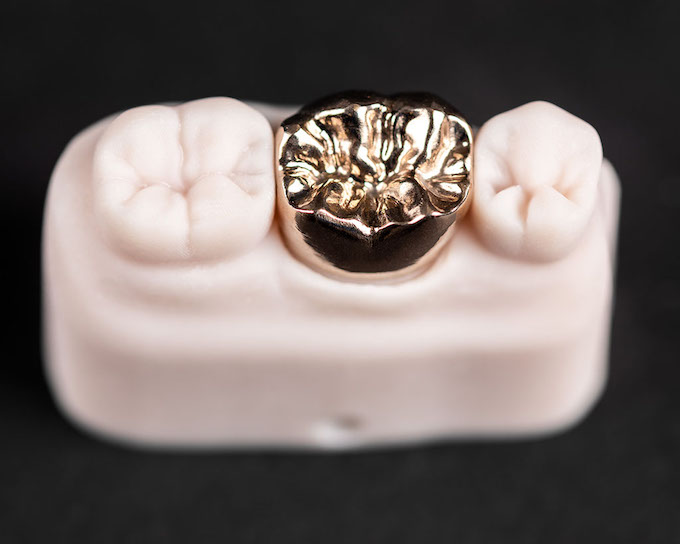
When patients ask about permanent dental implants, they want answers that are clear, honest, and backed by real expertise. As a dental professional, you already understand the clinical side. However, the lab side of implant dentistry is just as critical to long-term success.
At Dentek Digital, we fabricate high-quality implant restorations for dentists and dental practices across the Greater Phoenix, Arizona area. Our digital workflow ensures precise, reliable results — case after case. Therefore, understanding how the lab process works can help you serve your patients better.
In this post, we break down what makes permanent dental implants work, how CAD/CAM technology elevates the process, and what dental professionals should look for in a trusted lab partner.
What Are Permanent Dental Implants?
Permanent dental implants are fixed restorations that replace missing teeth at the root level. They consist of a titanium post, an abutment, and a crown. Together, these components create a stable, long-lasting tooth replacement.
Unlike removable options, implants integrate with the jawbone. This process is called osseointegration. As a result, patients enjoy a restoration that functions and feels like a natural tooth.
Furthermore, implants help preserve bone structure over time. This makes them one of the most clinically sound options available in modern dentistry.
How the Restoration Fits Into the Process
The implant post is placed by the clinician. However, the crown or prosthetic component is fabricated by the dental lab. This is where precision truly matters.
A well-designed implant crown must fit the abutment exactly. It must also match the patient’s bite and adjacent teeth. Therefore, the lab’s technology and craftsmanship directly affect the clinical outcome.
At Dentek Digital, we use advanced CAD/CAM systems to design and mill implant crowns with exceptional accuracy. Additionally, our team reviews every case with care before it leaves our Phoenix lab.
The Role of CAD/CAM Technology in Implant Restorations
CAD/CAM stands for computer-aided design and computer-aided manufacturing. In simple terms, it means we use digital tools to design and produce restorations. This technology has transformed how dental labs operate.
First, digital impressions or scans are submitted by the dental practice. Next, our technicians use specialized software to design the restoration with high accuracy. Then, the design is sent to a milling machine that carves the restoration from a solid block of material.
Why Digital Is Better Than Traditional Methods
Traditional impression methods can introduce errors. Physical materials shift, distort, or capture air bubbles. As a result, the final restoration may require more adjustments chairside.
Digital workflows reduce these variables significantly. Moreover, they allow for faster turnaround without sacrificing quality. For permanent dental implants, this level of precision is especially important.
Additionally, CAD/CAM technology allows our team to design restorations that are optimized for both function and aesthetics. We consider occlusion, contour, and material selection for every case.
Materials Used in Permanent Implant Crowns
The most common materials for implant crowns today include zirconia and porcelain-fused-to-zirconia. Zirconia is known for its strength and natural appearance. It performs well in both anterior and posterior positions.
Furthermore, full-contour zirconia is highly durable and requires minimal material removal. On the other hand, layered options offer more customized aesthetics when needed.
Our team at Dentek Digital helps clinicians select the right material for each patient’s specific case. Because of this, our implant restorations are both functional and visually natural.
What Dentists in Phoenix and Surrounding Communities Should Look For in a Lab Partner
Choosing the right dental lab is one of the most important decisions a practice can make. The lab you work with affects your patients’ outcomes, your chairside time, and your reputation.
Dentists across Phoenix, Scottsdale, Mesa, and Chandler rely on Dentek Digital for consistent, high-quality results. We understand the demands of busy dental practices. Therefore, we build our services around reliability, communication, and precision.
Key Qualities to Look for in a Digital Dental Lab
- Digital workflow capability: The lab should accept digital scans and use CAD/CAM fabrication.
- Experienced technicians: Skilled hands still matter, even with advanced technology.
- Clear communication: The lab should be easy to reach and responsive to case questions.
- Fast and reliable turnaround: Delays affect your schedule and your patients’ experience.
- Material transparency: The lab should be clear about what materials it uses and why.
Additionally, a great lab partner will flag potential issues before fabrication begins. This proactive approach saves everyone time and reduces remakes.
Why Dentek Digital Stands Out
Dentek Digital was one of the earliest adopters of the CAD/CAM workflow in the country. Because of this, we have built deep expertise over many years of digital fabrication. We are recognized as a national leader in digital dentistry.
Moreover, we serve dental practices across the Greater Phoenix area, including communities like Tempe, Gilbert, Scottsdale, and Chandler. Our team combines rapidly evolving technology with skilled craftsmanship. As a result, every restoration we deliver meets a high standard of quality and fit.
Implant Planning: An Advanced Service That Supports Better Outcomes
One of our most valuable offerings for implant cases is digital implant planning. This service uses advanced imaging and software to map out the ideal implant position before surgery begins.
Therefore, clinicians can approach each case with greater confidence. The planning process helps identify potential challenges early. It also supports the design of custom surgical guides when needed.
How Digital Implant Planning Works
First, CBCT scan data is submitted to our team. Next, we use planning software to evaluate bone volume, anatomy, and ideal implant positioning. Then, we collaborate with the clinician to finalize the plan.
This process improves surgical accuracy significantly. Furthermore, it supports a more predictable restorative outcome. Because of this, more Phoenix-area dentists are incorporating digital planning into their implant workflows.
In addition to planning, we can design and fabricate the final restoration simultaneously. This parallel workflow reduces overall treatment time for the patient.
Tips for Submitting Implant Cases to a Digital Lab
Sending implant cases to a digital lab is straightforward when you follow a few best practices. These tips help ensure your cases come back right the first time.
- Use a quality intraoral scanner: Clean, accurate scans are the foundation of a good restoration.
- Include the implant system and components: Always specify the implant brand, platform, and abutment type.
- Provide shade information: Include shade tabs or photos alongside adjacent teeth when possible.
- Note any occlusal concerns: If the patient has parafunctional habits, let the lab know.
- Communicate material preferences: Discuss material options with the lab before the case is submitted.
Additionally, do not hesitate to call or message us with questions. Our team is here to support you through the entire process. We work as an extension of your practice, not just a vendor.
Frequently Asked Questions About Permanent Dental Implants and Lab Fabrication
What makes CAD/CAM implant crowns more accurate than traditional ones?
CAD/CAM systems design restorations digitally and mill them from solid material blocks. This eliminates many of the variables introduced by physical impressions. As a result, fit and accuracy are generally more consistent.
How long does it take to fabricate a permanent implant crown?
Turnaround time depends on the complexity of the case and the materials selected. However, digital workflows typically allow for faster production than traditional methods. Contact our team for specific timelines based on your case needs.
Can Dentek Digital work with any implant system?
We work with a wide range of implant systems and platforms. Therefore, it is important to include the implant brand and component details when you submit a case. Our team will confirm compatibility before fabrication begins.
What materials are available for permanent implant restorations?
We offer several material options, including full-contour zirconia and layered zirconia. The right choice depends on the case location, aesthetic needs, and patient factors. Our technicians can help guide material selection.
Does Dentek Digital offer digital implant planning?
Yes. We offer digital implant planning as an advanced service for clinicians seeking greater surgical precision. This service uses CBCT data and planning software to support more predictable implant placement and restoration outcomes.
Partner With Dentek Digital for Your Implant Cases
Permanent dental implants represent one of the most impactful services a dental practice can offer. However, the quality of the lab restoration plays a major role in how well that service is received by patients.
At Dentek Digital, we bring together industry-leading technology, experienced technicians, and a genuine commitment to your success. We serve dentists across Phoenix, Mesa, Tempe, Scottsdale, Chandler, and Gilbert with the same high standard every time.
Whether you are looking to improve your implant workflow or explore digital planning for complex cases, we are ready to help. Contact Dentek Digital today to send us a case or request a consultation with our team.