
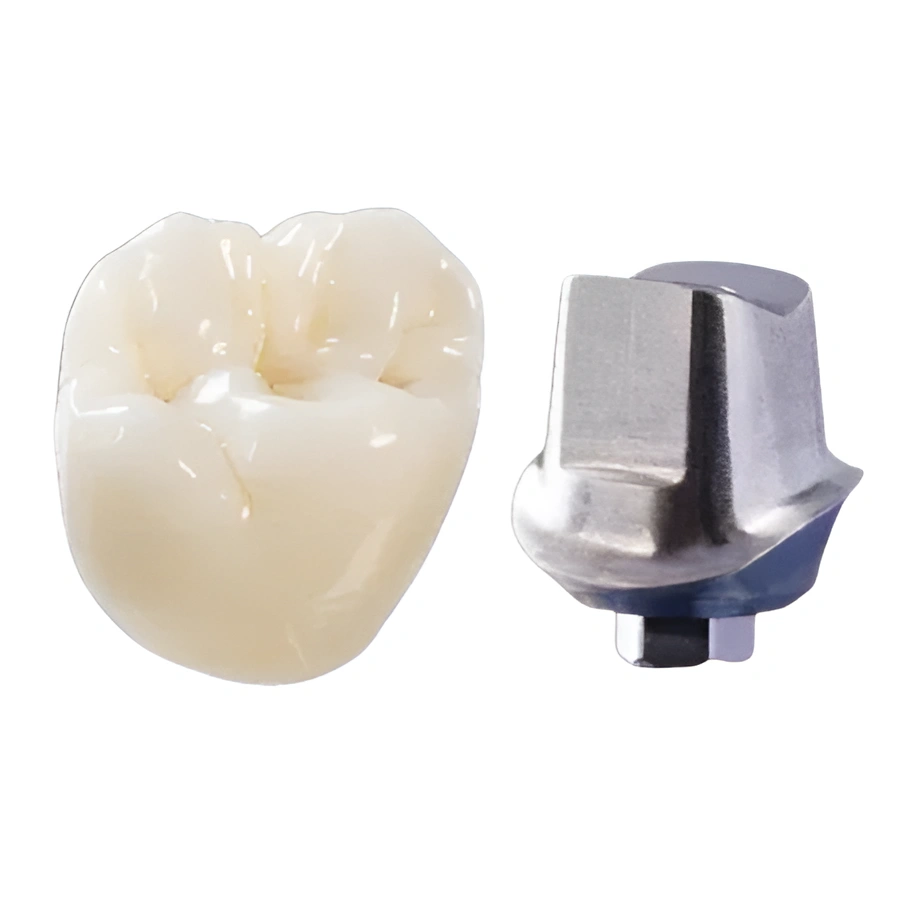
When patients ask about permanent dental implants, they want more than a tooth replacement. They want confidence, comfort, and a restoration that lasts. Therefore, the quality of the dental lab behind the implant matters just as much as the clinical placement itself.
Dentists across the Greater Phoenix area — from Scottsdale to Chandler — rely on advanced digital lab technology to deliver implant restorations their patients can trust. Moreover, understanding how modern dental labs fabricate these restorations helps dental professionals make smarter decisions for their practices.
At Dentek Digital, we specialize in precision-crafted, CAD/CAM-designed implant restorations. Additionally, we support dentists with the tools and expertise they need to provide outstanding implant outcomes. This guide walks you through what you need to know.
What Are Permanent Dental Implants?
Permanent dental implants are fixed tooth replacements anchored directly into the jawbone. They consist of three main components: the implant fixture, the abutment, and the crown. Together, these parts create a restoration that looks and functions like a natural tooth.
Unlike removable dentures, permanent implants do not come out. Because of this, they offer a higher level of stability and comfort for patients. They also help preserve bone structure over time, which is a significant long-term benefit.
For dental practices in communities like Mesa, Tempe, and Gilbert, implant cases are becoming increasingly common. Furthermore, patients are more informed than ever and often arrive asking specifically about implant options.
The Role of the Dental Lab in Implant Success
The dental lab plays a critical role in every implant case. However, many clinicians underestimate just how much lab quality affects the final result. The crown and abutment must fit precisely at the implant interface to ensure long-term stability.
A well-fabricated implant crown also matches the patient’s natural dentition in shape, shade, and occlusion. Therefore, the lab’s craftsmanship directly influences how the patient feels about their result. Choosing the right lab partner is one of the most important decisions a practice can make.
How CAD/CAM Technology Elevates Implant Restorations
CAD/CAM stands for computer-aided design and computer-aided manufacturing. In simple terms, it means digital software designs the restoration, and precision milling or printing equipment fabricates it. As a result, the accuracy of the final product is significantly higher than traditional methods.
At Dentek Digital, we were among the earliest adopters of the digital CAD/CAM workflow in the country. Additionally, we have refined our processes over years of experience to consistently produce restorations at the highest level of quality available today.
Digital Scanning and Case Submission
Modern implant cases often begin with an intraoral scan at the dental practice. The digital file is then sent directly to the lab. This eliminates the need for physical impressions in many cases, which streamlines the entire workflow.
For practices in Scottsdale, Chandler, or anywhere in the Greater Phoenix area, digital submission means faster turnaround and fewer remakes. Furthermore, the precision of digital scans reduces margin error at every stage of fabrication.
Milling and Material Selection
Once the design is finalized, our milling units carve the restoration from high-quality material blocks. For implant crowns, we commonly work with zirconia, lithium disilicate, and other proven restorative materials. Each material has specific properties that make it suitable for different clinical situations.
Additionally, our team selects materials based on the position of the implant, the patient’s bite forces, and aesthetic requirements. Therefore, every restoration is customized — not just shaped, but thoughtfully engineered for the individual case.
Types of Implant Restorations We Fabricate
Dentek Digital supports a full range of implant restoration types. First, we produce single-unit implant crowns, which are the most common request. Next, we fabricate implant-supported bridges for cases involving multiple missing teeth.
We also produce implant-retained full-arch restorations, including screw-retained solutions. These are ideal for patients seeking a comprehensive full-mouth rehabilitation. Moreover, our team handles custom abutments and Ti-bases to ensure precise implant-to-restoration connections.
Screw-Retained vs. Cement-Retained Implant Crowns
One common question among dental professionals is whether to use a screw-retained or cement-retained implant crown. Both options have their place in clinical practice. However, screw-retained restorations are often preferred because they are retrievable without damaging the crown.
Cement-retained crowns, on the other hand, can offer aesthetic advantages in certain cases. Our lab team works closely with referring dentists to determine the best approach for each situation. As a result, you get a restoration that is both clinically sound and easy to manage long term.
Digital Implant Planning: A Game-Changer for Practices
Beyond fabrication, Dentek Digital also offers digital implant planning as an advanced service. This allows dental professionals to plan implant placement virtually before the surgical procedure begins. Therefore, the entire case — from surgery to final restoration — follows a coordinated, predictable path.
Digital implant planning uses CBCT scan data combined with intraoral scan data. The result is a three-dimensional view of the patient’s anatomy that guides precise implant positioning. Furthermore, this type of planning reduces surprises in the operatory and supports better patient communication.
Practices in Mesa, Gilbert, and across the Phoenix metro area are increasingly adopting this technology. Additionally, patients respond well to seeing a visual treatment plan before committing to surgery. It builds trust and sets realistic expectations.
How Implant Planning Connects to the Final Restoration
When implant placement is planned digitally, the lab can design the final restoration before the implant is even placed. This is called a prosthetically driven approach. In other words, the end result guides the surgical plan rather than the other way around.
This approach leads to better-fitting restorations and fewer post-placement adjustments. Because of this, both the dentist and the patient benefit from a more efficient and predictable process. It is one of the clearest examples of how digital dentistry improves outcomes.
What Dental Practices Should Look for in a Lab Partner
Choosing the right dental lab for implant cases is a decision that affects your patients every day. Therefore, it is worth evaluating your lab partner carefully. Here are key qualities to look for:
- Digital-first workflow: A lab using full CAD/CAM technology produces more consistent and accurate restorations.
- Implant system compatibility: Your lab should work with a wide range of implant systems and connection types.
- Communication and responsiveness: Fast, clear communication prevents delays and misunderstandings on complex cases.
- Material quality: Premium material sourcing directly affects the durability and aesthetics of the final restoration.
- Experience with complex cases: Full-arch and multi-unit implant cases require a high level of expertise and attention to detail.
Additionally, a great lab partner should feel like an extension of your team. At Dentek Digital, we prioritize that collaborative relationship with every practice we serve.
Supporting Dentists Across the Greater Phoenix Area
Dentek Digital is based in Phoenix, Arizona, and proudly serves dental practices throughout the region. Our clients include solo practitioners, group practices, and specialty clinics in communities like Scottsdale, Tempe, Chandler, and beyond.
Furthermore, we ship and receive cases efficiently to ensure your practice never experiences unnecessary delays. Our digital submission process makes it easy to send us a case from anywhere in the area. As a result, you get lab-quality results without sacrificing convenience.
We understand the local dental market and the expectations of patients across the Phoenix metro. Moreover, we stay current with evolving technology so our lab partners always have access to the best solutions available.
Frequently Asked Questions About Permanent Dental Implants
What materials are typically used for permanent dental implant crowns?
The most common materials include zirconia and lithium disilicate. Zirconia is highly durable and works well for posterior restorations. Lithium disilicate offers excellent aesthetics for anterior cases. Additionally, the right material depends on factors like bite load and location in the arch.
How long does it take for a dental lab to fabricate an implant crown?
Turnaround times vary depending on the complexity of the case. However, digital workflows significantly reduce fabrication time compared to traditional methods. Most standard implant crown cases can be completed efficiently when digital files are submitted correctly.
Can a dental lab help with full-arch implant cases?
Yes. Dentek Digital fabricates full-arch implant restorations, including screw-retained full-arch solutions. These cases require precise design and careful material selection. Therefore, experience and a strong digital workflow are essential for a successful outcome.
What is a custom abutment, and when is it needed?
A custom abutment is a connector piece designed specifically for an individual patient’s anatomy and implant position. Stock abutments are pre-made and may not always provide the ideal emergence profile. Because of this, custom abutments are often recommended for anterior cases or complex restorations where aesthetics are a priority.
How does digital implant planning benefit the patient?
Digital implant planning allows both the clinician and patient to visualize the outcome before treatment begins. Furthermore, it helps ensure the implant is placed in the optimal position for the final restoration. As a result, patients often experience fewer complications and a more predictable treatment experience.
Partner With Dentek Digital for Your Implant Cases
Permanent dental implants represent one of the most impactful treatments a patient can receive. Therefore, every detail of the restoration matters — from planning through final delivery. The lab you choose directly influences the quality of that outcome.
At Dentek Digital, we combine cutting-edge CAD/CAM technology with skilled, experienced craftsmanship. Additionally, we offer advanced services like digital implant planning to support your practice from start to finish. We are proud to serve dental professionals across Phoenix, Scottsdale, Mesa, Chandler, and the entire Greater Phoenix area.
Ready to elevate the implant restorations you offer your patients? Contact Dentek Digital today to send us a case or discuss how we can support your practice with precision-crafted, digital implant solutions.