
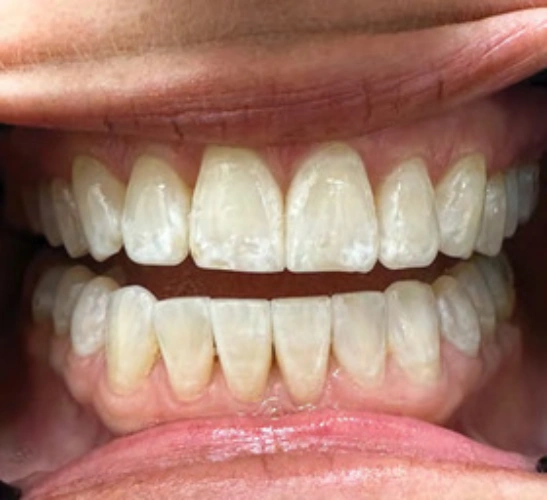
Permanent dental implants have transformed the way patients and dental professionals approach tooth replacement. They offer a durable, natural-looking solution that supports long-term oral health. As a result, more dental practices are turning to advanced digital workflows to deliver better implant restorations.
At Dentek Digital, we support dentists and dental practices across the Greater Phoenix, Arizona area with high-quality, CAD/CAM-fabricated implant restorations. Our digital dental lab combines cutting-edge technology with skilled craftsmanship. Therefore, the restorations we produce are precise, reliable, and built to last.
Whether your practice is in Phoenix, Mesa, Tempe, or Chandler, understanding how permanent dental implants work — and how a digital lab supports the process — can help you deliver outstanding patient outcomes. In this post, we cover everything dental professionals need to know.
What Are Permanent Dental Implants?
Permanent dental implants are titanium posts surgically placed into the jawbone. They act as artificial tooth roots. Over time, the implant fuses with the bone in a process called osseointegration.
Once the implant is stable, a dental restoration — such as a crown, bridge, or full-arch prosthetic — is attached on top. This restoration is what patients see and use every day. Additionally, because the implant is anchored in the jaw, it functions much like a natural tooth.
For patients missing one tooth or many, permanent dental implants offer a solution that is stable, comfortable, and long-lasting. Furthermore, they help preserve jawbone density over time. This makes them a preferred option over removable alternatives for many patients.
How Implants Differ From Other Restorations
Traditional dentures and bridges sit on top of the gum or rely on adjacent teeth for support. Implants, on the other hand, are fully anchored in the bone. This provides a level of stability that other restorations simply cannot match.
Moreover, implants do not require the alteration of neighboring teeth. This helps preserve the overall integrity of the patient’s natural dentition. For these reasons, implant-supported restorations are widely considered the gold standard in tooth replacement.
The Role of CAD/CAM Technology in Implant Restorations
CAD/CAM stands for Computer-Aided Design and Computer-Aided Manufacturing. This technology allows dental labs to design and mill restorations with exceptional precision. As a result, the fit, function, and aesthetics of implant crowns and prosthetics are significantly improved.
At Dentek Digital, we were among the earliest adopters of digital CAD/CAM workflows in the country. We use this technology every day to fabricate implant restorations for dental practices across Phoenix, Gilbert, Scottsdale, and the surrounding communities. Therefore, our team understands the demands of high-volume implant cases.
Digital Scanning and Case Submission
Digital workflows begin with intraoral scanning. Instead of traditional impressions, dentists capture a precise digital scan of the patient’s mouth. This file is then sent directly to our lab for restoration design.
Because digital scans eliminate many common impression errors, the resulting restorations fit better from the start. Additionally, the turnaround process is faster and more efficient. This means less chair time for patients and smoother workflows for dental teams.
Milling and Material Selection
Once our team designs the restoration digitally, we mill it from high-quality dental materials. Common choices include zirconia, lithium disilicate, and implant-grade porcelain. Each material offers unique advantages in terms of strength, aesthetics, and clinical application.
For example, full-contour zirconia is often selected for posterior implant crowns because of its strength. Meanwhile, more aesthetic materials may be used for anterior restorations where appearance is a priority. Our team works closely with each practice to recommend the best material for each case.
Types of Implant Restorations We Fabricate
Dentek Digital fabricates a wide range of implant-supported restorations. Our capabilities cover single-tooth cases, multi-unit bridges, and full-arch solutions. Furthermore, we support both screw-retained and cement-retained designs.
Single-Unit Implant Crowns
Single-unit implant crowns replace one missing tooth. They are designed to match the shape, color, and function of the surrounding natural teeth. Additionally, our digital design process ensures the crown fits the implant abutment precisely.
Practices in the Phoenix metro area — including those in Tempe and Chandler — regularly send us single-unit implant cases. We turn them around quickly without sacrificing quality. This helps practices keep their schedules running smoothly.
Implant-Supported Bridges
When a patient is missing multiple adjacent teeth, an implant-supported bridge may be the right solution. Two or more implants anchor a bridge that spans the gap. As a result, patients regain full function without the need for a removable appliance.
Our lab designs these bridges using advanced CAD software. Therefore, each unit in the bridge is precisely contoured and properly balanced. This supports natural bite function and long-term stability.
Full-Arch Implant Prosthetics
Full-arch implant solutions, sometimes called All-on-4 or All-on-X, replace an entire arch of teeth with a fixed prosthetic. These cases are among the most complex in restorative dentistry. However, with digital planning and CAD/CAM fabrication, our team handles them with confidence.
We also offer digital implant planning services to support practices taking on these comprehensive cases. This advanced service helps dental teams visualize the final outcome before treatment begins. Moreover, it improves communication between the dentist, the patient, and our lab.
Digital Implant Planning at Dentek Digital
Digital implant planning is one of our most valuable advanced services. It uses 3D imaging and digital design tools to map out implant placement with precision. As a result, surgical outcomes are more predictable and restorations fit better from the start.
For practices in Mesa, Scottsdale, and across the Greater Phoenix area, this service streamlines complex implant cases. It reduces the guesswork involved in treatment planning. Furthermore, it allows for the fabrication of surgical guides that improve placement accuracy.
Additionally, digital planning supports better patient communication. When patients can see a visual representation of their treatment plan, they feel more confident moving forward. This often improves case acceptance rates for dental practices.
Why Dental Practices Choose Dentek Digital
Dental practices across Phoenix and its surrounding communities trust Dentek Digital for a reason. We are recognized as a national leader in digital dentistry. Furthermore, we combine the latest technology with the expertise of skilled dental lab technicians.
Our team takes a collaborative approach to every case. We work with each practice to understand their clinical goals, material preferences, and timeline requirements. Therefore, every restoration we fabricate is tailored to the specific needs of the patient and the dentist.
Consistency and Quality Control
Quality control is built into every step of our digital workflow. Because we use CAD/CAM technology from the start, each restoration is designed and milled to exact specifications. This minimizes variables and reduces the likelihood of remakes.
Additionally, our technicians review every case before it ships. We check the fit, occlusion, contour, and aesthetics of each restoration. As a result, practices receive restorations that are ready to deliver with minimal adjustment.
Fast, Reliable Turnaround
We understand that time matters in a busy dental practice. Therefore, we prioritize efficient production without cutting corners on quality. Our digital workflow allows us to move from design to delivery faster than traditional lab methods.
Practices in Gilbert, Chandler, and throughout the Phoenix metro rely on our consistent turnaround times. They know that when they send us a case, it will come back right and on time. This reliability helps them serve their patients better every day.
Tips for Dental Practices Working With a Digital Lab on Implant Cases
Submitting implant cases to a digital lab works best when both teams communicate clearly. Here are a few practical tips to ensure smooth case submissions and great outcomes:
- Use a calibrated intraoral scanner. Accurate digital scans produce better-fitting restorations. Make sure your scanner software is up to date before submitting cases.
- Provide clear implant system information. Always include the implant brand, platform, and connection type. This ensures the correct components are used in fabrication.
- Include shade and material preferences. Be specific about the desired shade and material. Additionally, include reference photos when possible for aesthetic cases.
- Communicate your timeline upfront. Let the lab know if the case has a specific delivery deadline. Therefore, the lab can plan production accordingly.
- Ask about digital implant planning early. For complex full-arch cases, involve the lab in the planning phase. This leads to better outcomes and fewer surprises at delivery.
Frequently Asked Questions About Permanent Dental Implants and Digital Labs
What makes CAD/CAM implant restorations better than traditional methods?
CAD/CAM technology allows for precise digital design and milling. As a result, restorations fit more accurately and require fewer chairside adjustments. Additionally, the process is faster and more consistent than traditional hand-crafted methods.
What implant systems does Dentek Digital support?
We work with a wide range of major implant systems and platforms. When submitting a case, simply include the implant brand and connection details. Our team will confirm compatibility and proceed with fabrication accordingly.
Can Dentek Digital help with complex full-arch implant cases?
Yes. We offer digital implant planning services specifically designed for full-arch and complex multi-unit cases. Furthermore, our team collaborates closely with the treating dentist throughout the process to support the best possible outcome.
How do I submit a case to Dentek Digital?
Case submission is straightforward. Dentists can send digital scans, prescription details, and case notes directly through our online portal. Additionally, our team is available to answer questions and guide you through the process.
What materials are available for implant crowns and prosthetics?
We offer a variety of high-quality materials, including full-contour zirconia, layered zirconia, lithium disilicate, and more. Material selection depends on the clinical situation, location in the arch, and aesthetic goals. Our team is happy to make recommendations based on your specific case.
Partner With a Digital Lab That Delivers
Permanent dental implants represent one of the most impactful services a dental practice can offer. When paired with precise, digitally fabricated restorations, the results speak for themselves. Therefore, choosing the right dental lab partner makes a significant difference.
Dentek Digital is proud to support dental practices across Phoenix, Mesa, Tempe, Chandler, Gilbert, Scottsdale, and beyond. Our commitment to digital excellence, quality craftsmanship, and responsive service sets us apart. Moreover, our team is always ready to collaborate on cases of all sizes and complexity.
Ready to take the next step? Contact Dentek Digital today to discuss your implant cases, explore our digital services, or send us a case. We look forward to supporting your practice and your patients.