
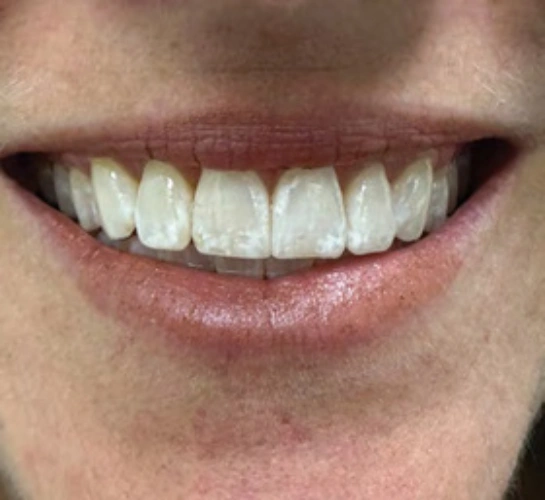
Permanent dental implants have changed the way dental professionals restore missing teeth for their patients. They offer a stable, long-term solution that looks and functions like natural dentition. As a result, more patients are asking about implants than ever before.
Behind every successful implant case is a skilled dental lab. The quality of the restoration depends heavily on the technology and craftsmanship used to fabricate it. Therefore, choosing the right lab partner matters.
At Dentek Digital, we support dental practices across the Greater Phoenix, Arizona area — including Mesa, Tempe, Chandler, and Gilbert — with precision-crafted implant restorations. Our advanced CAD/CAM workflow helps dentists deliver outstanding results for their patients.
What Are Permanent Dental Implants?
Permanent dental implants are titanium posts surgically placed into the jawbone. They act as artificial tooth roots. Over time, the bone fuses to the post in a process called osseointegration.
Once the implant integrates, a dental restoration is attached on top. This restoration — often a crown, bridge, or full-arch prosthetic — is what the patient sees and uses daily. Furthermore, it is designed to match the surrounding teeth in color, shape, and function.
The term “permanent” refers to the long-lasting nature of the restoration. With proper care, implant restorations can serve patients for many years. However, the quality of fabrication plays a major role in longevity.
Components of an Implant Restoration
Understanding the parts of an implant system helps dental professionals communicate with their lab more effectively. There are three main components involved.
- The implant fixture: The titanium post placed by the surgeon into the bone.
- The abutment: The connector piece that links the fixture to the crown.
- The crown or prosthetic: The visible restoration fabricated by the dental lab.
Each component must fit precisely. Additionally, the materials selected for the crown must balance aesthetics and durability for the patient’s specific needs.
How CAD/CAM Technology Elevates Implant Restorations
CAD/CAM stands for Computer-Aided Design and Computer-Aided Manufacturing. In simple terms, it means the lab uses digital technology to design and mill restorations. This approach delivers exceptional accuracy.
Traditional methods relied on hand-poured models and manual waxing. Meanwhile, digital workflows capture precise digital impressions and translate them into exact restorations. The result is a better-fitting crown every time.
Dentek Digital was one of the earliest adopters of the CAD/CAM workflow in the country. Because of this, we have deep experience refining our process. Our team combines advanced technology with skilled craftsmanship at every step.
Digital Impressions vs. Traditional Impressions
Many dental practices in Phoenix and surrounding communities like Scottsdale and Chandler have already made the switch to digital impressions. Digital scanning eliminates the discomfort of traditional putty impressions for patients. Moreover, digital files are more accurate and easier to transmit to the lab.
When a dentist sends us a digital scan, our team can begin designing the restoration immediately. This speeds up turnaround time significantly. As a result, patients spend less time waiting for their final restoration.
Materials Used in Permanent Implant Crowns
The choice of material affects both the appearance and function of the implant crown. Therefore, dentists and labs must work together to select the right option for each case.
- Zirconia: A strong, tooth-colored ceramic ideal for posterior and anterior cases.
- Lithium disilicate: Highly aesthetic, often used for front teeth restorations.
- PFM (Porcelain-Fused-to-Metal): A traditional option still used in select cases.
- Full-cast metal: Extremely durable, typically reserved for non-visible areas.
At Dentek Digital, we help dentists choose the best material for each clinical situation. Furthermore, our milling technology ensures consistent quality across all material types.
The Role of the Dental Lab in Implant Success
The dental lab is a critical partner in implant dentistry. However, it is often an invisible one from the patient’s perspective. The dentist places the implant, but the lab crafts the restoration the patient will see and use every day.
A well-fabricated crown should fit passively on the abutment. It should also match the adjacent teeth in color and contour. Additionally, the occlusion — the way the teeth come together — must be balanced properly.
Poor lab work can lead to complications even when the surgical placement was flawless. Therefore, dental practices in Mesa, Gilbert, and across the Phoenix metro deserve a lab that takes quality seriously at every stage.
Implant Planning and Digital Design
Advanced labs now offer digital implant planning services. This means the lab works with the dentist before surgery to plan ideal implant position. As a result, the final restoration fits more predictably.
Dentek Digital offers digital Implant Planning as part of our advanced services. This collaborative approach supports better outcomes for patients. Moreover, it helps dentists present treatment plans to patients with greater confidence.
TattooTH: An Advanced Aesthetic Option
Dentek Digital also offers TattooTH, our proprietary advanced aesthetic service. TattooTH allows for highly customized characterization of dental restorations. In other words, it takes lifelike aesthetics to a new level.
For implant cases involving visible anterior teeth, this level of detail can make a meaningful difference. Patients in Tempe, Scottsdale, and throughout the Phoenix area notice and appreciate natural-looking results. Therefore, offering premium aesthetics through your lab partner adds real value to your practice.
Fixed vs. Removable Implant-Supported Restorations
Not all implant restorations are the same. Dental professionals choose between fixed and removable options based on the patient’s clinical situation and goals. Understanding the difference helps practices plan cases more effectively.
Fixed restorations are permanently attached to the implants. They include single crowns, implant-supported bridges, and full-arch fixed prosthetics. Additionally, they feel most like natural teeth to the patient.
Removable implant-supported options, such as implant overdentures, snap onto locator attachments. They offer improved stability over traditional dentures. However, patients can still remove them for cleaning and maintenance.
Full-Arch Implant Cases
Full-arch implant restorations are among the most complex cases a lab can fabricate. They require precise design, strong materials, and careful attention to occlusion. Furthermore, every component must work together seamlessly.
Dentek Digital handles full-arch cases with the same level of care we bring to every restoration. Our digital workflow allows us to plan, design, and mill these complex cases with consistent precision. As a result, dental practices across the Phoenix area trust us with their most demanding implant work.
Tips for Dental Practices: Getting the Best Results from Your Implant Cases
Working closely with your lab is the single most important step toward implant success. Here are practical tips that help dental practices improve outcomes on implant cases.
- Use digital impressions whenever possible. Accurate scans lead to better-fitting restorations.
- Communicate shade and material preferences clearly. Include photos when aesthetics are critical.
- Send complete case information. Include implant brand, platform size, and abutment details upfront.
- Plan cases early. For complex full-arch cases, early lab involvement improves predictability.
- Request a consultation for unusual cases. Your lab can help you think through challenging situations before you begin.
Additionally, maintaining a consistent relationship with one trusted lab helps streamline communication over time. Your lab technician learns your preferences and delivers more consistent results.
Frequently Asked Questions About Permanent Dental Implants
What makes permanent dental implants different from other tooth replacements?
Permanent dental implants are anchored directly into the jawbone. This gives them stability and function that bridges and dentures cannot fully replicate. Moreover, they help preserve bone structure over time.
How does a dental lab fit into the implant process?
The lab fabricates the crown, bridge, or prosthetic that attaches to the implant. The lab works from impressions or digital scans provided by the dentist. Therefore, accurate records and clear communication between the dentist and lab are essential.
What materials are best for implant crowns?
Zirconia is one of the most popular choices today because of its strength and aesthetics. However, the best material depends on the location of the tooth and the patient’s bite. Your lab can help guide material selection for each case.
How does CAD/CAM technology improve implant restorations?
CAD/CAM technology allows labs to design and mill restorations with a high degree of accuracy. Digital design reduces human error and improves the consistency of fit. As a result, patients benefit from restorations that seat predictably and function well.
Can Dentek Digital handle full-arch implant cases?
Yes. Dentek Digital fabricates single-unit implant crowns, implant-supported bridges, and complex full-arch restorations. We also offer digital Implant Planning to support more predictable outcomes on these advanced cases.
Partner With Dentek Digital for Your Implant Cases
Dental practices across the Greater Phoenix area — from Mesa and Gilbert to Tempe and Scottsdale — rely on Dentek Digital for high-quality implant restorations. We combine cutting-edge CAD/CAM technology with experienced craftsmanship on every case.
Whether you are placing your first implant crown or managing complex full-arch reconstructions, we are here to support you. Our team is ready to collaborate, answer questions, and deliver restorations you can trust.
Ready to get started? Contact Dentek Digital today to send us a case or request a consultation. We look forward to partnering with your practice.