
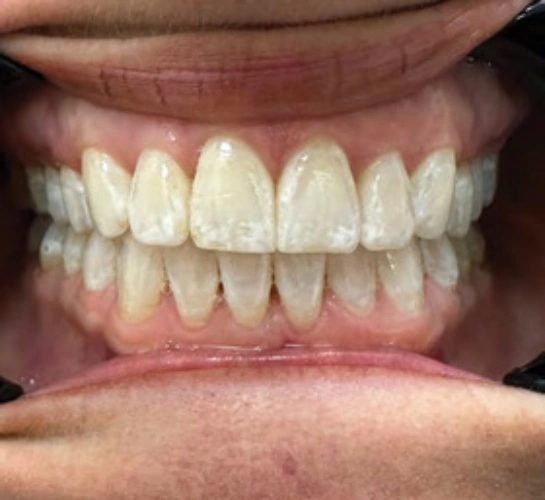
Patients seeking permanent dental implants deserve restorations that are precise, durable, and natural-looking. Therefore, the quality of the dental lab behind those restorations matters enormously. At Dentek Digital, we combine advanced CAD/CAM technology with skilled craftsmanship to support dentists delivering exceptional implant outcomes.
Our lab serves dental professionals across the Greater Phoenix area, including communities like Mesa, Chandler, Scottsdale, and Gilbert. We understand what it takes to fabricate implant restorations that perform reliably for years. Furthermore, our digital workflow gives dentists a faster, more predictable path from case submission to final delivery.
In this post, we explore what makes permanent dental implants a transformative tooth replacement solution. We also explain how a digital dental lab like Dentek Digital supports every step of the fabrication process.
What Are Permanent Dental Implants?
Permanent dental implants are full tooth replacement systems. They consist of a titanium post placed into the jawbone, an abutment connector, and a crown on top. Because all three components work together, the result closely mimics a natural tooth in function and appearance.
Unlike removable dentures, implants are fixed in place. Additionally, they help preserve bone density in the jaw over time. This makes them one of the most comprehensive tooth replacement options available today.
How Implants Differ From Other Restorations
Bridges and dentures sit on or above the gum line. Implants, on the other hand, integrate directly with the jawbone. This osseointegration process creates a stable foundation for the restoration. As a result, patients often report a more natural chewing experience.
Moreover, implants do not rely on neighboring teeth for support. This helps preserve the surrounding natural dentition. For dentists in Phoenix and Scottsdale, this distinction is an important part of patient education.
Common Implant Restoration Types
- Single-unit implant crowns: Replace one missing tooth with a custom-milled crown on an implant abutment.
- Implant-supported bridges: Span multiple missing teeth using implants as anchors instead of natural teeth.
- Full-arch implant restorations: Replace an entire arch of teeth using multiple implants for support.
- Implant overdentures: Removable prosthetics that snap onto implant attachments for added stability.
Each of these restoration types benefits from a precise, digital fabrication process. Therefore, the dental lab you partner with plays a critical role in the final outcome.
The Role of CAD/CAM Technology in Implant Fabrication
CAD/CAM stands for Computer-Aided Design and Computer-Aided Manufacturing. This technology allows dental labs to design and mill restorations digitally. Consequently, the fit, contour, and occlusion of each restoration can be optimized with exceptional accuracy.
Dentek Digital was among the earliest adopters of the digital CAD/CAM workflow in the country. This early investment gave us deep expertise in digital implant restoration fabrication. Today, we are recognized as a national leader in digital dentistry.
From Digital Scan to Finished Restoration
The process begins when a dentist submits a digital scan or impression of the patient’s mouth. Next, our technicians use specialized software to design the implant crown or prosthetic. Then, our milling machines fabricate the restoration from high-quality materials with tight tolerances.
Finally, our team inspects and finishes each restoration by hand. This combination of digital precision and skilled craftsmanship ensures consistent quality. Dentists in Chandler and Gilbert rely on this workflow to deliver predictable results for their patients.
Materials Used for Permanent Implant Restorations
Modern implant restorations are fabricated from a range of high-performance materials. Each material has specific advantages depending on the clinical situation.
- Zirconia: Extremely strong and tooth-colored. Ideal for posterior crowns where durability is critical.
- Layered zirconia: Combines strength with enhanced esthetics. Often used for visible anterior teeth.
- PFM (Porcelain-fused-to-metal): A reliable traditional option still used in select clinical scenarios.
- Full-contour monolithic restorations: Milled from a single block for maximum strength and minimal bulk.
Additionally, material selection depends on the patient’s bite force, esthetic goals, and implant position. Our team helps dentists choose the right material for each unique case.
Digital Implant Planning: A Game-Changer for Dentists
Placing implants accurately is essential for long-term success. Therefore, digital implant planning has become an increasingly important part of the workflow. This process uses 3D imaging data to map out the ideal implant position before surgery.
At Dentek Digital, we offer advanced digital implant planning services. We work alongside dentists in the Greater Phoenix area to support precise surgical outcomes. Because of this planning process, the fabrication of the final restoration becomes more predictable.
Benefits of a Guided Implant Workflow
A guided workflow reduces variability in both placement and restoration design. First, the surgical guide ensures the implant is placed at the correct angle and depth. Then, the restoration is designed to match that exact position. As a result, fit and function are optimized from the start.
Furthermore, guided workflows can reduce chairtime for patients. Dentists in Mesa and Tempe have found that a fully digital approach supports a smoother overall experience. This benefits both the practice and the patient.
Why the Dental Lab Partner Matters
Not all dental labs offer the same level of digital capability. However, the quality of the lab directly affects the quality of the restoration. A well-fabricated crown fits better, looks more natural, and lasts longer.
Dentek Digital partners with dental practices as a true extension of their clinical team. We communicate proactively, flag potential issues early, and deliver restorations that meet high esthetic and functional standards. Moreover, our turnaround times support efficient practice workflows.
What to Look for in a Dental Lab for Implants
- Digital workflow capability: Can the lab accept and process digital scans efficiently?
- Material quality: Does the lab use high-grade, documented materials with clear provenance?
- Implant system compatibility: Is the lab experienced with the implant systems your practice uses?
- Communication and support: Does the lab offer responsive case support and proactive updates?
- Turnaround time: Can the lab meet your clinical scheduling needs consistently?
Additionally, a lab that invests in continuing education and evolving technology will grow alongside your practice. Dentek Digital continually updates our processes and equipment to stay ahead of the curve.
TattooTH: Advanced Implant Identification Technology
Dentek Digital offers a unique service called TattooTH. This innovative solution embeds a scannable micro-tag directly into a dental restoration. Therefore, the implant crown can be identified digitally at any time in the future.
For patients with permanent dental implants, this feature adds long-term value. It supports accurate identification if the restoration ever needs to be matched, replaced, or documented. Furthermore, TattooTH represents the kind of forward-thinking service that sets Dentek Digital apart from conventional labs.
Frequently Asked Questions About Permanent Dental Implants
How long does it take to fabricate an implant crown at a digital lab?
Turnaround times vary depending on the case complexity and restoration type. However, digital labs like Dentek Digital generally process cases faster than traditional analog labs. Most single-unit implant crowns can be fabricated and delivered within a competitive timeframe. Your lab can provide specific turnaround estimates when you submit your case.
What implant systems does Dentek Digital work with?
We work with a wide range of major implant systems used by dentists in the Phoenix area and nationally. Our team is experienced with both popular and emerging implant platforms. Additionally, we can discuss compatibility with your preferred system before you submit your first case.
Can dentists submit cases digitally to Dentek Digital?
Yes. We accept digital scans and support a fully digital submission workflow. This streamlines the process for practices that have invested in intraoral scanners. Furthermore, our team can guide new partners through the submission process step by step.
What materials do you recommend for posterior implant crowns?
Full-contour zirconia is often an excellent choice for posterior implant crowns because of its strength and durability. However, material selection should always be based on the individual patient’s clinical needs and esthetic goals. Our technicians are happy to discuss material options with you for each case.
Does Dentek Digital support full-arch implant cases?
Yes. We fabricate restorations for full-arch implant cases, including implant-supported bars, hybrid prosthetics, and full-arch zirconia restorations. Moreover, our digital implant planning services can support the surgical phase of these complex cases as well.
Partner With Dentek Digital for Your Implant Cases
Delivering exceptional permanent dental implants requires a trusted lab partner with advanced digital capabilities. Dentek Digital brings together cutting-edge CAD/CAM technology, premium materials, and experienced technicians. Therefore, dentists across Greater Phoenix — from Scottsdale to Chandler, Mesa to Gilbert — consistently turn to us for their most demanding implant cases.
We are proud to be a national leader in digital dentistry. Furthermore, we are committed to helping dental practices deliver better outcomes for their patients every day. Our solutions span fixed restorations, removables, splints, nightguards, and implants — all fabricated to the highest standards.
Ready to elevate your implant restorations? Contact Dentek Digital today to send us a case or request a consultation. Our team is ready to partner with your practice and support outstanding results for your patients.