
Replacing a missing tooth is one of the most important decisions a patient can make. Permanent dental implants offer a long-lasting, natural-looking solution that has transformed modern restorative dentistry. For dentists seeking high-quality implant restorations, partnering with the right dental lab makes all the difference.
At Dentek Digital, we work alongside dental professionals across the Greater Phoenix, Arizona area. We fabricate precision implant restorations using advanced CAD/CAM technology. Our workflow is designed to deliver consistent, reliable results for every case.
In this guide, we explore how permanent dental implants work, what the restoration process involves, and how a digital dental lab supports better patient outcomes. Whether you practice in Scottsdale, Tempe, Chandler, or Mesa, this resource is built for you.
What Are Permanent Dental Implants?
Permanent dental implants are titanium posts surgically placed into the jawbone. They act as artificial tooth roots. Over time, the bone fuses to the implant in a process called osseointegration.
Once integrated, the implant supports a custom-fabricated crown, bridge, or full-arch restoration. The result is a restoration that looks, feels, and functions like a natural tooth. Additionally, implants help preserve bone structure that would otherwise deteriorate after tooth loss.
Key Components of a Dental Implant
Understanding the parts of an implant helps dentists and patients appreciate the precision involved. Each component must fit and function perfectly together.
- Implant fixture: The titanium post that integrates with the jawbone.
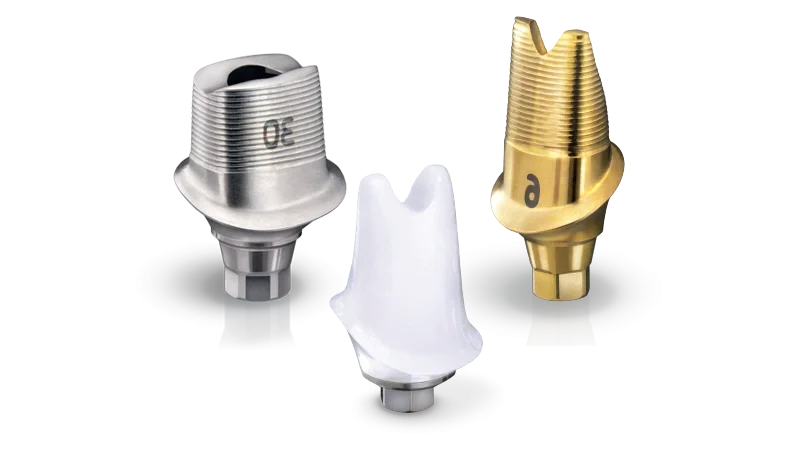
- Abutment: The connector piece that links the fixture to the crown.
- Implant crown: The visible, custom-fabricated restoration on top.
Each of these components requires precise fabrication. Therefore, the dental lab’s role is critical to long-term implant success.
Why Permanent Dental Implants Are the Gold Standard
Dental professionals widely consider permanent dental implants the gold standard for tooth replacement. They outperform traditional bridges and removable dentures in several important ways. Furthermore, they are designed to last for many years with proper care.
Unlike bridges, implants do not require altering adjacent healthy teeth. On the other hand, removable dentures can slip, cause discomfort, and fail to stimulate the jawbone. Implants address all of these concerns directly.
Benefits Dentists and Patients Value Most
When recommending implant solutions, dental professionals often highlight these advantages. Each benefit reinforces why implants are preferred across the Greater Phoenix area.
- Natural appearance: Custom crowns mimic the color and shape of natural teeth.
- Bone preservation: Implants stimulate the jawbone and prevent resorption.
- Stability: Implants do not shift or require adhesives.
- Longevity: With proper care, implants can serve patients for decades.
- Function: Patients can eat, speak, and smile with confidence.
As a result, patient satisfaction rates with implant restorations tend to be very high. Moreover, dentists report fewer complications compared to older tooth replacement methods.
The Role of CAD/CAM Technology in Implant Restorations
Modern implant dentistry relies heavily on digital workflows. CAD/CAM technology — computer-aided design and computer-aided manufacturing — has revolutionized how dental labs fabricate restorations. Dentek Digital was among the earliest adopters of this technology in the country.
CAD/CAM allows our technicians to design implant crowns and abutments with exceptional accuracy. Additionally, digital files eliminate many of the errors that traditional impression-based workflows can introduce. The result is a restoration that fits precisely the first time.
How the Digital Workflow Benefits Dental Practices
Dentists who partner with Dentek Digital gain immediate advantages from our digital process. First, the workflow is faster and more streamlined. Next, digital records are easy to store, share, and revisit.
- Faster turnaround: Digital design accelerates the fabrication timeline.
- Fewer remakes: Precision fit reduces the need for adjustments.
- Better communication: Digital files allow real-time case discussions.
- Consistent quality: CAD/CAM delivers repeatable, reliable results.
Furthermore, digital implant planning is one of our advanced services. This helps dentists visualize placement before surgery. Because of this, the entire treatment process becomes more predictable.
Materials Used for Permanent Implant Restorations
Material selection is one of the most important decisions in implant restoration fabrication. Dentek Digital uses only high-quality materials that meet the demands of long-term implant cases. However, the best material choice depends on the patient’s specific clinical situation.
Zirconia Implant Crowns
Zirconia is one of the most popular materials for implant crowns today. It is strong, biocompatible, and highly aesthetic. Additionally, zirconia resists staining and wear over time.
For anterior cases — front teeth — zirconia offers excellent translucency. This allows the crown to blend naturally with surrounding teeth. Therefore, patients achieve a beautiful, seamless smile.
Porcelain-Fused-to-Metal (PFM) Crowns
PFM crowns combine a metal substructure with a porcelain overlay. They offer strong support and a natural appearance. On the other hand, zirconia has largely replaced PFM in many modern implant cases due to superior aesthetics and strength.
Dentek Digital fabricates both options with the same commitment to precision. Moreover, our team is available to help dentists choose the right material for each patient’s needs.
Implant Restorations Dentek Digital Fabricates
We support a wide range of implant restoration types. Each solution is designed to meet different clinical requirements. As a result, dental practices across Scottsdale, Mesa, Chandler, and Tempe trust us with their most complex implant cases.
Single-Tooth Implant Crowns
Single-tooth crowns are the most common implant restoration. They replace one missing tooth with a custom crown seated on a single implant. Additionally, they preserve the integrity of surrounding teeth.
Implant-Supported Bridges
When multiple adjacent teeth are missing, an implant-supported bridge is an excellent option. Two implants anchor a multi-unit bridge. This eliminates the need to alter healthy neighboring teeth.
Full-Arch Implant Restorations
Full-arch restorations — sometimes called All-on-4 or similar protocols — replace an entire arch of teeth. Furthermore, they are supported by just a small number of strategically placed implants. These restorations require exceptional lab precision and digital planning.
Dentek Digital’s advanced digital implant planning services make full-arch cases more manageable for dental practices. First, we help map ideal implant positions. Then, we fabricate the final restoration to match the plan precisely.
How Dentek Digital Supports Dental Practices Across Greater Phoenix
We are proud to serve dentists and dental practices throughout the Greater Phoenix, Arizona area. Our clients include practices in Mesa, Tempe, Chandler, Gilbert, Scottsdale, and surrounding communities. We understand the clinical demands these professionals face every day.
Our lab combines rapidly evolving technology with skilled craftsmanship. Because of this, every restoration we produce reflects both precision and artistry. We take pride in being a true partner to the dental professionals we serve.
In addition to implant restorations, we offer fixed restorations, removables, splints, nightguards, and our advanced TattooTH service. This makes Dentek Digital a comprehensive solution for dental practices seeking a single trusted lab partner.
Ready to elevate your implant restorations? Contact Dentek Digital today and let our team support your next case with industry-leading digital fabrication.
Frequently Asked Questions About Permanent Dental Implants
How long do permanent dental implants last?
With proper care and maintenance, implants can last for many years — often decades. However, the longevity of the restoration depends on factors like oral hygiene, bite forces, and the quality of the restoration itself. High-quality lab fabrication plays a significant role in long-term success.
What materials are best for implant crowns?
Zirconia is widely preferred for its strength and aesthetics. Additionally, porcelain-fused-to-metal remains a viable option for certain cases. The best choice depends on the patient’s bite, location of the implant, and cosmetic goals.
How does digital implant planning improve outcomes?
Digital implant planning allows dentists to visualize placement in advance. Therefore, it reduces surgical uncertainty and supports better prosthetic outcomes. Dentek Digital offers this advanced service to practices across the Greater Phoenix area.
Can a dental lab help with full-arch implant cases?
Absolutely. Full-arch implant restorations require close collaboration between the dentist and the lab. Furthermore, digital workflows make this collaboration faster and more accurate. Dentek Digital specializes in complex full-arch fabrication.
How does a dentist send an implant case to Dentek Digital?
Sending a case is simple. Dental practices can submit digital scans or traditional impressions. Moreover, our team is available to discuss case details and guide you through the process from start to finish.
Partner With Dentek Digital for Your Implant Restorations
Permanent dental implants represent one of the most impactful treatments in modern restorative dentistry. As a result, the quality of the lab restoration matters enormously. Dentek Digital delivers the precision, materials, and expertise your patients deserve.
We serve dental professionals throughout the Greater Phoenix area, including Mesa, Chandler, Tempe, Gilbert, and Scottsdale. Our digital-first approach and skilled lab team make us a trusted partner for implant cases of every complexity.
Finally, whether you are handling a single-tooth case or a full-arch restoration, we are here to help. Explore your options with Dentek Digital and experience the difference that a truly digital dental lab can make for your practice and your patients.