
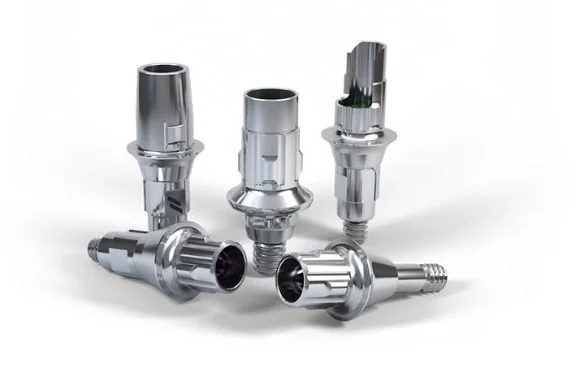
Full mouth dental implants represent one of the most transformative solutions in modern restorative dentistry. Patients who have lost most or all of their teeth can regain function, aesthetics, and confidence. For dentists offering this service, partnering with the right dental lab makes all the difference.
At Dentek Digital, we support dental practices across the Greater Phoenix, Arizona area with precision-crafted implant restorations. Our CAD/CAM-driven workflow helps dentists deliver consistent, high-quality results. We understand the complexity of full-arch cases, and we are built to handle them.
Whether your practice is in Scottsdale, Chandler, Mesa, or Gilbert, understanding how full mouth dental implants work from a lab perspective can help you serve patients more effectively. This guide covers what you need to know.
What Are Full Mouth Dental Implants?
Full mouth dental implants replace an entire arch — or both arches — of missing teeth. They use titanium implant posts placed into the jawbone. These posts serve as anchors for permanent or removable prosthetic teeth.
This approach is far more stable than traditional dentures. Because the implants integrate with the bone, they prevent the bone loss that typically follows tooth extraction. Additionally, patients experience improved chewing ability and speech.
Common Treatment Approaches
Dentists typically use one of several full-arch implant strategies. Each approach differs in the number of implants used and the type of restoration attached.
- All-on-4: Four implants support a full-arch fixed prosthesis. This is a popular option because it often avoids bone grafting.
- All-on-6: Six implants provide additional support and stability. This is ideal for patients with higher bite forces.
- Individual implants: Each missing tooth is replaced with a single implant. This works best when bone density is adequate throughout the arch.
- Implant-supported overdentures: A removable denture snaps onto implant locators. This is a more affordable full-arch option for some patients.
Furthermore, the choice of approach depends on bone volume, patient health, and restorative goals. A thorough treatment plan is essential before any case begins.
The Role of Digital Technology in Full-Arch Implant Cases
Digital dentistry has changed how full-arch implant cases are planned and executed. Advanced scanning, software, and milling technology now allow for greater precision. As a result, patients receive restorations that fit better and last longer.
At Dentek Digital, we were among the earliest adopters of the digital CAD/CAM workflow in the country. We use this technology to design and fabricate full-arch implant restorations with exceptional accuracy. Every restoration is engineered to meet the specific requirements of the case.
Digital Implant Planning
One of our most advanced services is digital implant planning. This process uses 3D imaging and software to map out ideal implant placement before surgery begins. Therefore, surgical guides can be fabricated to help dentists place implants with precision.
Digital planning reduces chair time and improves predictability. It also helps dentists communicate treatment plans to patients in a visual, easy-to-understand format. Moreover, it supports better coordination between the surgical and restorative phases of care.
CAD/CAM Fabrication for Full-Arch Restorations
Once implants have integrated, the restorative phase begins. Our lab uses CAD/CAM technology to design and mill full-arch prosthetics from high-quality materials. These include zirconia, PMMA, and titanium-reinforced frameworks.
CAD/CAM fabrication eliminates much of the variability associated with traditional lab techniques. Additionally, it allows for faster turnaround times without sacrificing quality. Dental practices in Mesa, Tempe, and Chandler trust our lab to deliver precision restorations on schedule.
Materials Used in Full Mouth Implant Restorations
Material selection is one of the most important decisions in a full-arch implant case. The right material depends on the patient’s bite, aesthetics, and budget. However, durability and fit should always take priority.
Zirconia
Zirconia is one of the most popular materials for full-arch implant bridges. It is strong, biocompatible, and highly aesthetic. Furthermore, it resists staining and wear over time, making it an excellent long-term option.
We mill monolithic zirconia and layered zirconia restorations at Dentek Digital. Each restoration is carefully designed to achieve natural-looking results. Our team works closely with referring dentists to match shade, shape, and occlusion.
PMMA Temporaries
PMMA (polymethyl methacrylate) is commonly used for immediate-load temporaries in full-arch cases. These provisional restorations allow patients to function while implants osseointegrate. They also help establish the patient’s bite and aesthetic preferences before final restorations are made.
Our PMMA temporaries are milled for accuracy and comfort. Additionally, they serve as an important diagnostic tool throughout the healing phase. Many dentists in Scottsdale and Gilbert rely on our provisional workflow to streamline complex implant cases.
Titanium Frameworks
For cases requiring maximum strength, titanium frameworks provide an excellent foundation. A titanium bar is milled to fit the implant positions precisely. Then, a prosthetic overlay — often acrylic or zirconia — is attached to the framework.
This combination delivers exceptional rigidity and fit accuracy. As a result, it is often chosen for patients with strong bite forces or those who have experienced prosthetic failures in the past.
The Dentek Digital Implant Workflow
Our implant workflow is designed to make complex cases simple for referring dentists. We handle each step with care and precision. Here is how the process typically works.
Step 1: Case Submission
Dentists send us digital scans, photos, bite records, and any relevant planning files. Our team reviews each case thoroughly before fabrication begins. This ensures we fully understand the restorative goals before work starts.
Step 2: Design and Approval
Our technicians use advanced CAD software to design the restoration. We then send a digital design preview to the dentist for review and approval. Therefore, any adjustments can be made before milling begins, saving time and materials.
Step 3: Fabrication
Once approved, we mill the restoration from the selected material. Each piece goes through rigorous quality checks before it leaves our lab. We fabricate restorations for practices across Phoenix, Mesa, Chandler, and beyond.
Step 4: Delivery and Support
We deliver finished restorations with detailed documentation. Our team is available to answer any questions about seating or adjustments. Moreover, we welcome feedback to continuously improve our workflow and outcomes.
Why Dentists Choose Dentek Digital for Implant Cases
Dentists across the Greater Phoenix area choose Dentek Digital for many reasons. First, we offer some of the most advanced digital fabrication capabilities in the region. Second, our team has deep experience with complex full-arch implant cases.
Additionally, we offer a full range of implant services under one roof. From digital planning and surgical guides to provisionals and final restorations, we handle every phase. This makes us a true partner in the implant process.
We also offer TattooTH, our advanced digital marking system that helps improve tracking and documentation for implant restorations. This is just one example of how we go beyond standard lab services to add value for our dental partners.
Tips for Dentists Managing Full-Arch Implant Cases
Full-arch implant cases involve many moving parts. However, a few key strategies can help improve outcomes and reduce stress throughout the process.
- Start with thorough digital records. High-quality intraoral scans and CBCT images give your lab the data needed to design accurately.
- Use provisionals strategically. Well-designed temporaries set up the final restoration for success by establishing occlusion and aesthetics.
- Communicate with your lab early. Involve your lab team during the planning phase, not just at the restorative stage. This improves coordination and reduces remakes.
- Verify implant positions digitally. Use a scan body scan to confirm implant angulation before designing the final restoration.
- Plan for occlusion carefully. Full-arch cases require careful attention to bite forces and occlusal balance. Work with your lab to address this proactively.
Frequently Asked Questions About Full Mouth Dental Implants
How long does a full mouth implant restoration take to complete?
The timeline varies based on the patient’s bone health and the treatment approach. However, most cases take several months from implant placement to final restoration. Digital workflows can help reduce some of that time.
What is the difference between All-on-4 and All-on-6?
All-on-4 uses four implants to support a full arch, while All-on-6 uses six. All-on-6 generally provides more stability and distributes bite forces more evenly. The best option depends on the individual patient’s anatomy and needs.
Can a dental lab help with surgical planning for implants?
Yes. At Dentek Digital, we offer digital implant planning services. We use 3D imaging data to help design surgical guides that improve placement accuracy. This is a valuable service for both experienced and newer implant providers.
What materials are best for full-arch implant bridges?
Zirconia is widely considered the gold standard for full-arch fixed restorations. It offers exceptional strength and aesthetics. However, PMMA and titanium-based options are also excellent depending on the case requirements.
How do I send a full-arch implant case to Dentek Digital?
Sending a case is straightforward. Simply gather your digital scans, photos, and bite records, then submit them through our case portal. Our team will review the case and reach out with any questions before fabrication begins.
Partner With Dentek Digital for Full-Arch Implant Success
Full mouth dental implants are complex, but your lab partnership does not have to be. Dentek Digital combines advanced CAD/CAM technology with skilled craftsmanship to deliver restorations you can count on. We are proud to serve dental practices across Phoenix, Scottsdale, Gilbert, Chandler, and the surrounding Greater Phoenix area.
Whether you are placing your first full-arch case or you are an experienced implant provider looking for a more reliable lab partner, we are here to help. Our team understands the clinical demands of these cases and is committed to supporting your success at every step.
Ready to elevate your implant restoration workflow? Contact Dentek Digital today to send us a case or request a consultation. We look forward to partnering with your practice.