
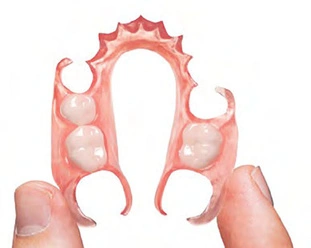
When patients ask about teeth implants, they want more than a surface-level answer. They want to understand the process, the restoration quality, and what to expect long term. Therefore, it’s essential for dental professionals to partner with a lab that delivers precision and consistency every time.
Dentek Digital is a digital dental lab based in Phoenix, Arizona. We serve dentists and dental practices across the Greater Phoenix area, including communities like Mesa, Tempe, Chandler, and Scottsdale. Additionally, we work with practices throughout the country who demand the highest quality restorations.
In this guide, we’ll walk through what makes implant restorations successful, how digital technology is raising the bar, and how the right lab partnership can make all the difference for your patients.
What Are Teeth Implants and Why Do They Matter?
Teeth implants are a long-term solution for missing teeth. They consist of a titanium post placed into the jawbone, a connecting abutment, and a custom dental crown on top. As a result, patients regain both function and aesthetics that closely mimic natural teeth.
For dental professionals, the restoration phase is where precision truly counts. The crown or prosthetic that sits on the implant must fit accurately. Moreover, it must match the patient’s bite, tissue contour, and surrounding dentition. A poorly fitting restoration can compromise the entire implant outcome.
Because of this, many practices across the Phoenix area are turning to advanced digital workflows and experienced digital labs to achieve better, more predictable results.
The Role of the Dental Lab in Implant Success
The dental lab plays a critical role in the implant restoration process. However, this role is often overlooked by patients and even some clinicians. The lab fabricates the final restoration — the piece the patient actually sees and uses every day.
A skilled lab uses precise digital scanning data to craft restorations that fit accurately the first time. Additionally, high-quality materials and advanced milling technology produce results that are both durable and lifelike. Furthermore, a reliable lab shortens turnaround times and reduces remakes, which benefits both the practice and the patient.
How Digital CAD/CAM Technology Transforms Implant Restorations
CAD/CAM stands for Computer-Aided Design and Computer-Aided Manufacturing. In simple terms, it means restorations are designed digitally and milled by precise machines rather than built entirely by hand. As a result, the level of accuracy achievable today far exceeds what traditional methods could consistently deliver.
Dentek Digital was one of the earliest adopters of the digital CAD/CAM workflow in the country. We combine that experience with skilled craftsmanship to deliver restorations that meet the highest clinical standards.
Digital Scanning and Case Accuracy
The process begins with a digital scan of the patient’s mouth. This scan captures the implant position, surrounding teeth, and soft tissue anatomy. Then, our technicians use that data to design a restoration with exceptional precision.
Traditional impressions can distort over time. On the other hand, digital scans provide stable, accurate data that translates directly into a well-fitting restoration. Moreover, digital files can be reviewed, adjusted, and archived far more efficiently than physical models.
Materials Used in Implant Crown Fabrication
Modern implant crowns can be fabricated from several high-performance materials. Each option has specific advantages depending on the clinical situation. For example:
- Zirconia: Extremely durable and highly aesthetic. Ideal for both anterior and posterior implant cases.
- Porcelain-fused-to-zirconia: Offers a layered aesthetic with the strength of a zirconia substructure.
- Full-contour zirconia: Milled as a single solid unit for maximum strength in high-load areas.
- Lithium disilicate: Preferred for anterior cases where translucency and aesthetics are the priority.
Your lab partner should help guide material selection based on each patient’s specific clinical needs. Therefore, open communication between the clinician and the lab is essential for a successful outcome.
Implant Planning: Going Beyond the Restoration
A successful implant case starts long before the crown is fabricated. In fact, proper planning at the surgical stage directly impacts the quality of the final restoration. Dentek Digital offers advanced digital implant planning services to support this process.
Digital implant planning uses 3D imaging and software to map the ideal implant position before surgery. As a result, the surgical team places the implant in a location that supports the best possible prosthetic outcome. This reduces complications and improves long-term success.
Surgical Guides and Their Impact on Outcomes
Surgical guides are custom-fabricated devices that direct implant placement during surgery. They are designed based on the digital implant plan. Therefore, the surgeon can place the implant precisely where it was planned in the virtual environment.
Practices in communities like Gilbert and Chandler are increasingly requesting surgical guide fabrication from their lab partners. Additionally, this service streamlines the workflow by keeping planning and restoration fabrication under one roof. Furthermore, it improves communication and consistency across the entire case.
What Dentists Should Look for in a Digital Dental Lab
Choosing the right lab partner is one of the most important decisions a dental practice can make. However, not all labs are created equal. Here are key qualities to evaluate when selecting a digital dental lab for implant cases.
Experience with Implant Systems
Implant restorations require compatibility with specific implant systems and components. A qualified lab should be experienced with the major implant systems used in your practice. Moreover, they should understand how to work with both stock and custom abutments accurately.
Technology and Workflow Capabilities
Look for a lab that uses current CAD/CAM software and milling technology. Additionally, ask about their digital file handling process and how they manage communication throughout the case. A tech-forward lab reduces errors and speeds up turnaround times.
Quality Control Standards
Quality control is non-negotiable in dental lab work. Ask your lab how they verify fit, occlusion, and shade before a case ships. Furthermore, a lab that stands behind its work and addresses issues quickly is a true partner — not just a vendor.
Turnaround Times and Communication
Efficient turnaround protects your schedule and keeps patients happy. Therefore, choose a lab that communicates clearly about timelines. Also, make sure they notify you promptly if any case issues arise during fabrication.
Serving Dentists Across the Greater Phoenix Area
Dentek Digital proudly serves dental practices across the Greater Phoenix metropolitan area. Our clients are located throughout Phoenix, Mesa, Scottsdale, Tempe, Chandler, Gilbert, and surrounding communities. We understand the demands of high-volume practices as well as boutique cosmetic and implant-focused offices.
Additionally, our digital workflow allows us to work efficiently with practices regardless of their location within the region. Whether you’re submitting a straightforward implant crown or a complex full-arch case, our team is equipped to deliver.
Our solutions include fixed restorations, removables, splints and nightguards, and dental implants. We also offer TattooTH, an advanced surface characterization service that adds lifelike detail to restorations. As a result, your patients receive work that looks and feels natural.
Tips for Submitting Implant Cases to Your Digital Lab
Submitting a well-organized implant case helps your lab deliver the best possible result. Here are practical tips to improve your case submissions and reduce delays.
- Include clear scan data: Make sure the implant scan body is fully captured and clearly visible in the digital file.
- Provide shade information: Include a shade guide reference and, when possible, a photo in natural lighting.
- Note the implant system: Always specify the implant brand, platform, and connection type.
- Include bite registration: A digital or physical bite record helps the lab verify occlusion before fabrication.
- Communicate urgency early: If you have a scheduling constraint, let your lab know upfront so they can plan accordingly.
Following these steps reduces back-and-forth communication. Moreover, it leads to faster delivery and a better fit at the time of seating.
Frequently Asked Questions About Teeth Implants and Dental Labs
What is the difference between an implant crown and a regular crown?
An implant crown sits on a titanium implant rather than a natural tooth. Therefore, it requires different design considerations, including specific connection interfaces and emergence profile planning. A skilled lab understands these differences well.
How long does it take for a dental lab to fabricate an implant crown?
Turnaround time varies by lab and case complexity. However, most digital labs can deliver implant crowns within a few business days after receiving an approved digital file. Rush services may be available depending on the lab’s workflow.
Can a digital lab help with full-arch implant cases?
Yes. In fact, digital labs excel at full-arch implant restorations. CAD/CAM technology makes it possible to design and mill complex prosthetics with high accuracy. Additionally, digital planning tools help ensure proper fit and occlusion across the entire arch.
What should I do if an implant crown doesn’t fit correctly?
Contact your lab immediately and provide as much detail as possible about the fit issue. A quality lab will work with you to identify the cause and remake the restoration promptly. Furthermore, reviewing your scan data and implant information together can help prevent the issue from recurring.
Does Dentek Digital work with practices outside of Phoenix?
Yes. While we are based in Phoenix, Arizona, we work with dental practices across the country. Our digital workflow makes it easy to send and receive cases remotely. As a result, any practice seeking high-quality digital restorations can partner with our team.
Partner with Dentek Digital for Your Implant Cases
Teeth implants represent one of the most impactful services a dental practice can offer. However, the quality of the final restoration depends heavily on the lab behind it. Dentek Digital brings national-level expertise, advanced CAD/CAM technology, and dedicated craftsmanship to every case we touch.
We serve dental professionals across Phoenix, Mesa, Scottsdale, Tempe, Chandler, Gilbert, and beyond. Moreover, our team is always available to discuss your case, answer technical questions, and help you deliver outstanding results for your patients.
Ready to elevate your implant restorations? Contact Dentek Digital today and let’s start building a stronger lab partnership together.