
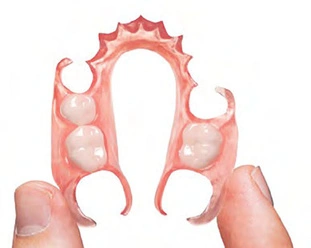
When patients ask about teeth implants, they want confidence. They want to know the restoration will look natural, fit precisely, and last for years. That confidence starts long before the patient sits in the chair. It starts in the dental lab.
Dentists across the Greater Phoenix area — from Scottsdale to Chandler, Mesa to Gilbert — rely on advanced digital workflows to deliver implant restorations their patients trust. Understanding what goes into a high-quality implant restoration helps dental professionals make better decisions for their patients.
This post explores what makes teeth implants successful, how CAD/CAM technology elevates the process, and how partnering with a digital dental lab can improve outcomes across your practice.
What Are Teeth Implants and Why Do They Matter?
Teeth implants replace missing teeth at the root level. A titanium post is placed into the jawbone, and a custom crown is attached on top. Therefore, the result closely mimics a natural tooth in both function and appearance.
Unlike bridges or dentures, implants preserve bone structure. Additionally, they do not rely on neighboring teeth for support. For patients who want a long-term, stable solution, implants are often the most reliable option available.
For dental practices, implant restorations represent a high-value service. However, delivering that value consistently requires precision at every step — including fabrication at the lab level.
The Role of the Dental Lab in Implant Success
Many clinicians focus on the surgical side of implants. Meanwhile, the restoration itself is equally critical. A poorly fitting crown can compromise the entire case.
A skilled digital dental lab fabricates the implant crown with exacting accuracy. Because of this, the margin fits cleanly, the occlusion is balanced, and the aesthetics meet the patient’s expectations. The lab is a true partner in the outcome.
How CAD/CAM Technology Transforms Implant Restorations
CAD/CAM stands for computer-aided design and computer-aided manufacturing. In simple terms, it means restorations are designed digitally and milled or printed with high precision. This workflow has changed what is possible in dental fabrication.
Traditional methods relied heavily on manual techniques. As a result, slight variations could occur from case to case. Digital workflows reduce those variables significantly. The design is precise, the output is consistent, and the fit is predictable.
Dentek Digital was among the earliest adopters of the CAD/CAM workflow in the country. Furthermore, we continue to evolve our processes as the technology advances. That commitment benefits every dentist and every patient we serve.
Digital Scanning and Implant Planning
Modern implant cases often begin with a digital scan rather than a traditional impression. This scan captures the full arch with remarkable accuracy. Then, the data is sent directly to the lab for restoration design.
Dentek Digital also offers advanced digital implant planning services. This allows for highly coordinated communication between the clinician and the lab before fabrication begins. As a result, surprises at delivery are minimized.
Practices in Phoenix, Tempe, Mesa, and surrounding communities can benefit greatly from this integrated approach. It saves time, reduces remakes, and improves the patient experience from start to finish.
Materials Used in Implant Crowns
Not all implant crowns are created equal. The material selected affects durability, aesthetics, and how the restoration functions over time. Therefore, material selection is an important part of every case conversation.
Common materials include:
- Zirconia — Known for its strength and natural-looking translucency. A popular choice for posterior and anterior implant cases.
- Porcelain-fused-to-metal (PFM) — A traditional option that offers strength with an aesthetic layer.
- Full-contour zirconia — Highly durable, ideal for high-bite-force areas like molars.
- Layered zirconia — Combines strength with superior aesthetics for visible anterior restorations.
Dentek Digital helps clinicians choose the right material for each clinical situation. Moreover, we apply skilled craftsmanship to every restoration we produce, regardless of material type.
What Dentists Should Look for in a Dental Lab Partner
Choosing the right lab partner matters. The lab you work with directly impacts your clinical results and your reputation with patients. Here are key qualities to look for when evaluating a dental lab for implant restorations.
Digital-First Workflow
A lab that has fully embraced digital dentistry will produce more consistent results. Look for labs that accept digital scans, use CAD/CAM milling technology, and offer digital implant planning. These capabilities reflect a modern, precise approach to fabrication.
Additionally, digital labs can often turn cases faster. Because the design process is streamlined, there is less manual handoff between steps. For busy practices in Gilbert, Scottsdale, Chandler, or Phoenix, faster turnaround supports better scheduling.
Communication and Case Support
A great lab communicates proactively. If there is a question about a case, they reach out before fabricating. Furthermore, they provide guidance on material selection, shading, and implant components when needed.
Dentek Digital takes a collaborative approach with every dental practice we work with. We are not just a fabrication facility — we are an extension of your clinical team. That partnership mindset is what sets a truly great lab apart.
Quality Assurance at Every Stage
Look for a lab that applies quality checks throughout the fabrication process. Each restoration should be inspected before it leaves the lab. Additionally, the lab should stand behind its work and offer support if issues arise at delivery.
Our team at Dentek Digital takes quality seriously at every step. From digital design to final polish, each restoration reflects our commitment to precision and craftsmanship.
TattooTH: Advanced Implant Identification Technology
Dentek Digital offers a unique service called TattooTH. This advanced technology allows dental restorations to be marked with an invisible, scannable identifier. Therefore, patients and providers can identify the restoration even years after placement.
For implant cases, this can be especially valuable. In addition, it adds a layer of traceability that supports long-term patient care. It is one of many ways Dentek Digital goes beyond standard lab services to bring cutting-edge solutions to our dental partners.
Supporting Better Implant Outcomes Across Greater Phoenix
Dental practices throughout the Greater Phoenix area trust Dentek Digital because of our consistent quality and digital expertise. Whether your practice is in Mesa, Tempe, Gilbert, Scottsdale, or the heart of Phoenix, we are positioned to support your implant cases from start to finish.
We understand the demands of a busy dental practice. Furthermore, we understand that your patients are counting on you — and that means they are counting on us too. We take that responsibility seriously in every case we fabricate.
Our team works with practices of all sizes. On the other hand, whether you submit one implant case a month or dozens, every case receives the same level of attention and care.
Frequently Asked Questions About Teeth Implants and Dental Labs
What is the difference between a digital lab and a traditional dental lab?
A digital lab uses CAD/CAM technology and digital scanning to design and fabricate restorations. Traditional labs rely more heavily on manual techniques. As a result, digital labs typically offer greater consistency, faster turnaround, and more precise fit.
Can I send digital scans directly to Dentek Digital?
Yes. Dentek Digital accepts digital scans from intraoral scanners. Additionally, we support traditional impressions for practices that have not yet transitioned to digital scanning. We work with you wherever you are in the digital adoption process.
What implant systems does Dentek Digital work with?
We work with a wide range of implant systems. Therefore, clinicians can continue using their preferred components. Contact our team to confirm compatibility with the system you use in your practice.
How does digital implant planning improve outcomes?
Digital implant planning allows the lab and clinician to collaborate before treatment begins. Because of this, the final restoration is designed with the surgical plan in mind. This coordination leads to more predictable results and fewer adjustments at delivery.
What materials does Dentek Digital use for implant crowns?
We work with high-quality zirconia, layered ceramic, and other materials suited to each case. Moreover, our lab technicians guide material selection based on the clinical requirements and aesthetic goals for each patient.
Partner with Dentek Digital for Your Implant Cases
Delivering excellent teeth implants to your patients requires more than surgical skill. It requires a lab partner who understands the science, masters the technology, and cares about the outcome as much as you do.
Dentek Digital is that partner. We bring nationally recognized digital dentistry expertise to dental practices across the Greater Phoenix area — including Phoenix, Scottsdale, Mesa, Chandler, Tempe, and Gilbert. Our CAD/CAM workflow, advanced materials, and skilled technicians are here to support every implant case you send our way.
Finally, great patient outcomes are built on great partnerships. Contact Dentek Digital today to discuss your next implant case and discover how our digital lab services can elevate the results you deliver to your patients.