
When patients ask about teeth implants, they want clarity, confidence, and a trusted solution. Dentists across the Greater Phoenix, Arizona area are seeing growing demand for implant restorations. Because of this, having the right dental lab partner makes a real difference in patient outcomes.
However, not all dental labs deliver the same level of precision. The quality of an implant restoration depends heavily on the technology and craftsmanship behind it. At Dentek Digital, we combine advanced CAD/CAM technology with skilled lab technicians to support dentists every step of the way.
In this guide, we break down everything dental professionals should know about teeth implants. We also explain how a digital dental lab can elevate your implant workflow and patient satisfaction.
What Are Teeth Implants?
Teeth implants are restorative solutions that replace missing teeth at the root level. They consist of a titanium post, an abutment, and a crown. Together, these components function like a natural tooth.
Additionally, implants help preserve jawbone structure over time. This makes them one of the most effective long-term solutions available in restorative dentistry. Patients in communities like Mesa, Scottsdale, and Chandler are increasingly choosing implants over traditional dentures or bridges.
How Teeth Implants Differ from Other Restorations
Unlike bridges or removable dentures, teeth implants integrate directly with the jawbone. This process is called osseointegration. As a result, implants offer a level of stability that other options simply cannot match.
Furthermore, implants do not rely on neighboring teeth for support. Therefore, they preserve the integrity of the surrounding dental structure. For patients missing one tooth or several, implants offer a versatile and reliable path forward.
Common Types of Implant Restorations
Dental practices offer several implant-supported restoration types. Each serves a different clinical need. Here are the most common options:
- Single-unit implant crowns — Replace one missing tooth with a custom crown on an implant post.
- Implant-supported bridges — Span a gap of two or more missing teeth using implants as anchors.
- Implant-supported dentures — Provide full-arch stability for patients with extensive tooth loss.
- All-on-X restorations — Deliver a full arch of teeth supported by a small number of strategically placed implants.
Moreover, each restoration type requires precise fabrication to ensure a proper fit and long-term function. This is where a skilled digital dental lab becomes essential to your practice.
Why CAD/CAM Technology Transforms Implant Restorations
CAD/CAM stands for Computer-Aided Design and Computer-Aided Manufacturing. This technology allows dental labs to design and mill restorations with exceptional accuracy. Meanwhile, traditional methods rely more heavily on manual processes, which can introduce variability.
At Dentek Digital, we were among the earliest adopters of the digital CAD/CAM workflow in the country. Because of this, our team has developed deep expertise in digital implant fabrication. We consistently deliver restorations that fit well, look natural, and function reliably.
The Digital Implant Workflow Explained
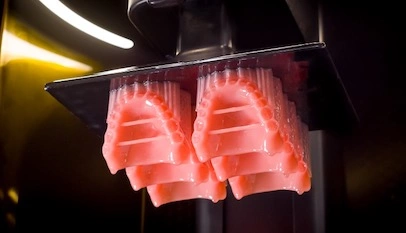
The digital workflow starts with a precise digital scan from your practice. Next, our technicians use advanced CAD software to design the restoration. Then, we mill the final product from high-quality materials like zirconia or titanium.
This process reduces turnaround times and minimizes fit adjustments at delivery. Additionally, digital records make it easier to reproduce restorations if replacements are ever needed. For dentists in Gilbert, Tempe, and throughout the Phoenix metro, this efficiency translates directly to better patient experiences.
Materials Used in Digital Implant Restorations
Material selection plays a critical role in the outcome of any implant restoration. Therefore, understanding your options helps you make the best choice for each patient. Common materials include:
- Zirconia — Highly durable and tooth-colored, ideal for both anterior and posterior restorations.
- Titanium — Used for implant abutments due to its strength and biocompatibility.
- PFM (Porcelain-Fused-to-Metal) — A traditional option that still offers durability with aesthetic appeal.
- Full-contour monolithic zirconia — Excellent for high-stress posterior cases requiring maximum strength.
Furthermore, the right material depends on the patient’s bite, aesthetic goals, and the location of the implant. Our team at Dentek Digital can help guide material selection based on your clinical needs.
How Dentek Digital Supports Implant Cases
We serve dental practices across the Greater Phoenix area, including communities like Scottsdale, Chandler, Mesa, and Tempe. Our implant services go beyond simple crown fabrication. We offer a comprehensive range of solutions designed to support complex cases.
In addition to standard implant crowns, we provide digital implant planning services. This advanced service helps dentists map out implant placement before surgery. As a result, the entire treatment process becomes more predictable and precise.
Digital Implant Planning at Dentek Digital
Digital implant planning uses 3D imaging and software to guide implant placement. Our team works directly with dentists to review cases and provide surgical guidance. This collaborative approach helps reduce complications and improve outcomes.
Moreover, digital planning integrates seamlessly with our CAD/CAM fabrication process. Therefore, the final restoration is designed with the exact implant position in mind. This level of coordination is what sets a true digital dental lab apart.
TattooTH: Advanced Restoration Customization
Dentek Digital also offers TattooTH, an advanced service for custom restoration aesthetics. This technology allows for highly personalized surface detailing on dental restorations. As a result, patients receive restorations that closely mimic the appearance of their natural teeth.
For dental practices focused on cosmetic implant cases, TattooTH offers a meaningful advantage. Additionally, it reflects our commitment to pushing the boundaries of what digital dentistry can achieve. We continuously invest in technology so your patients benefit from the best available options.
What Dentists Should Look for in a Dental Lab Partner
Choosing the right lab partner affects the quality of care you deliver every day. Therefore, it is worth evaluating a few key factors before committing to a lab relationship. Here is what to consider:
- Digital capabilities — Does the lab use full CAD/CAM workflows from scan to fabrication?
- Turnaround time — Can the lab deliver restorations within a timeframe that works for your practice?
- Material quality — Does the lab use high-grade, well-sourced materials for all restorations?
- Communication — Is the team responsive and easy to work with on complex cases?
- Implant expertise — Does the lab have dedicated experience with implant-supported restorations?
On the other hand, a lab that lacks digital infrastructure may struggle to keep pace with modern dentistry. First, verify that any potential lab partner can support your specific implant workflows. Then, evaluate their track record with cases similar to yours.
Working with a Phoenix-Based Digital Lab
Partnering with a Phoenix-area lab like Dentek Digital offers real logistical advantages. Shorter shipping distances mean faster case turnaround. Additionally, local collaboration is easier when questions or adjustments arise.
We serve practices throughout the Greater Phoenix metro, from Scottsdale to Gilbert to Tempe. However, our national reputation means we also support dental practices well beyond Arizona. We bring the same high standard of digital craftsmanship to every case we receive.
Frequently Asked Questions About Teeth Implants and Dental Lab Services
What makes a teeth implants restoration successful?
Success depends on several factors, including precise implant placement, the right material selection, and accurate restoration fabrication. Additionally, a well-coordinated workflow between the dentist and dental lab is essential. Digital technology improves accuracy at every stage of this process.
How does a digital dental lab improve implant outcomes?
A digital lab uses CAD/CAM software and milling equipment to produce highly accurate restorations. As a result, fit issues are reduced and adjustments at delivery are minimized. This leads to better patient experiences and more efficient appointments.
What implant restoration types does Dentek Digital fabricate?
We fabricate a full range of implant restorations, including single crowns, implant bridges, and full-arch solutions. Furthermore, we support All-on-X cases with digital planning and precision-milled components. Our team is experienced with a wide variety of implant systems and abutment types.
Does Dentek Digital offer digital implant planning?
Yes, we offer digital implant planning as an advanced service. This helps dentists visualize and plan implant placement before surgery. Therefore, the final restoration integrates seamlessly with the surgical outcome.
How do I send a case to Dentek Digital?
Sending a case is straightforward. You can submit digital scans and case information through our online portal. Our team reviews each case carefully and communicates with your practice throughout the fabrication process.
Partner with Dentek Digital for Precision Implant Restorations
Teeth implants represent one of the most impactful services a dental practice can offer. However, the quality of the restoration depends on the lab behind it. Dentek Digital brings national-level digital dentistry expertise to dental practices across the Greater Phoenix area.
We use advanced CAD/CAM technology, premium materials, and experienced technicians to deliver restorations you can count on. Additionally, our implant planning and TattooTH services give your practice access to cutting-edge tools that improve outcomes and patient satisfaction.
If you are ready to elevate your implant workflow, we are here to help. Contact Dentek Digital today to send us a case or discuss how we can support your dental practice with precision digital restorations.