
When patients ask about tooth implants, they want a solution that looks natural, feels comfortable, and lasts. Dentists across the Greater Phoenix area — from Scottsdale to Chandler — are turning to advanced digital workflows to deliver exactly that. Understanding how implant restorations are fabricated makes a real difference in patient outcomes.
Modern dental labs have transformed how implant cases are handled. Today, CAD/CAM technology allows labs to design and mill restorations with remarkable precision. As a result, fit, aesthetics, and function have all improved significantly.
At Dentek Digital, we partner with dental professionals throughout the Phoenix area to support high-quality implant restorations. Therefore, whether you are placing a single crown or planning a full-arch case, having the right lab partner matters from the very start.
What Are Tooth Implants and How Do They Work?
Tooth implants replace missing teeth from the root up. First, a titanium post is surgically placed into the jawbone. Then, once the implant integrates with the bone, a custom restoration is attached on top.
The restoration — typically a crown, bridge, or full-arch prosthesis — is what the dental lab fabricates. Moreover, the quality of that restoration directly affects how natural the implant looks and how well it functions long-term.
The Role of the Implant Crown
The implant crown is the visible part of the restoration. It must match the surrounding teeth in color, shape, and bite. Additionally, it must connect precisely to the implant fixture below it.
A poorly fitting crown can cause problems with occlusion, tissue health, and patient comfort. Because of this, precision at the lab level is just as critical as precision at the chair.
Common Implant Restoration Types
- Single-unit implant crowns — Replace one missing tooth with a custom crown on a single implant post.
- Implant-supported bridges — Span multiple missing teeth using two or more implants as anchors.
- Full-arch restorations — Replace an entire arch of teeth, often using a fixed or hybrid prosthesis.
- Implant-retained overdentures — Removable prostheses that snap onto implant attachments for added stability.
Each restoration type requires careful planning and fabrication. Furthermore, the materials and design choices vary depending on the patient’s anatomy and clinical goals.
How CAD/CAM Technology Elevates Implant Restorations
CAD/CAM stands for computer-aided design and computer-aided manufacturing. In short, it means the lab uses digital software to design the restoration and a milling machine to fabricate it with high accuracy.
Dentek Digital was one of the earliest adopters of the digital CAD/CAM workflow in the country. Therefore, our team brings deep experience to every implant case we receive. We serve dental practices across Phoenix, Mesa, Tempe, Gilbert, and beyond.
Digital Scanning and Design
Digital impressions or scans provide the lab with precise data about the patient’s mouth. Meanwhile, our technicians use that data to design a restoration that fits accurately and looks natural.
This process reduces guesswork. As a result, remakes and adjustments are far less common than with traditional analog methods. Dentists save chair time, and patients get better results faster.
Milling and Material Selection
Once the digital design is approved, our milling machines cut the restoration from a solid block of material. For example, zirconia is a popular choice for implant crowns because of its strength and lifelike appearance.
Other materials, such as lithium disilicate or hybrid ceramics, may be used depending on the case requirements. In addition, we match shades carefully to ensure the final restoration blends seamlessly with surrounding teeth.
Implant Planning: A Critical Step Many Practices Overlook
Successful implant outcomes start long before the patient sits in the chair. In fact, digital implant planning is one of the most valuable services a lab can offer to a dental practice.
At Dentek Digital, we offer advanced digital implant planning as part of our full-service approach. This means we can help map out implant positions, restoration design, and surgical guides — all before treatment begins.
Why Planning Ahead Matters
When the lab is involved early, restorations are designed with the final prosthesis in mind. On the other hand, cases planned without lab input can lead to complications during the restorative phase.
Moreover, digital planning allows for better communication between the surgeon, restorative dentist, and lab. Everyone works from the same digital data, so there is less room for error or miscommunication.
Surgical Guides and Their Benefits
Surgical guides are custom-fabricated tools that direct implant placement during surgery. They are designed digitally and printed or milled to exact specifications. As a result, implant positioning is more predictable and precise.
Practices in the Scottsdale and Chandler areas have seen how surgical guides improve consistency across complex cases. Furthermore, they help reduce procedure time in the operatory.
What Dentists Should Look for in a Lab Partner
Choosing the right dental lab is a critical business and clinical decision. However, not all labs offer the same level of technology, communication, or turnaround speed.
Here are key qualities to look for when evaluating a lab for implant cases:
- Digital workflow capability — Does the lab accept digital scans and design restorations with CAD/CAM tools?
- Implant system compatibility — Can the lab work with the implant systems you use in your practice?
- Material options — Does the lab offer zirconia, lithium disilicate, and other modern materials?
- Communication and case support — Will the lab consult with you on complex cases?
- Turnaround time — Can the lab meet your scheduling needs without sacrificing quality?
Additionally, a strong lab partner will flag potential issues before fabrication begins. This proactive approach saves time and supports better patient care.
Dentek Digital’s Implant Services for Phoenix-Area Dentists
Dentek Digital serves dental practices across the Greater Phoenix area, including communities in Mesa, Tempe, Chandler, Gilbert, and Scottsdale. We are recognized as a national leader in digital dentistry, and our implant services reflect that commitment to excellence.
Our dental implant solutions include implant crowns, implant bridges, full-arch restorations, and implant-retained overdentures. In addition, we offer our signature TattooTH service and comprehensive digital implant planning support.
TattooTH: Advanced Implant Identification
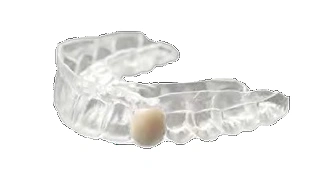
TattooTH is a proprietary service we offer to add identification markers to implant restorations. This is an innovative solution that adds value for both practitioners and patients. Furthermore, it reflects our commitment to pushing the boundaries of what a dental lab can deliver.
Sending Us a Case Is Simple
We have designed our case submission process to be straightforward for busy dental practices. Whether you prefer digital scans or traditional impressions, our team guides you through the process.
You can contact Dentek Digital to submit your next implant case or to discuss your specific needs with our experienced technicians. We are here to support your practice every step of the way.
Frequently Asked Questions About Tooth Implants and Dental Labs
What materials are best for implant crowns?
Zirconia is widely used because of its strength, durability, and natural appearance. However, the best material depends on the case. For example, anterior cases may benefit from layered zirconia or lithium disilicate for superior aesthetics. Your lab technician can help you choose the right material.
How does a digital lab improve implant outcomes?
Digital labs use CAD/CAM technology to design and mill restorations with high precision. As a result, fit and occlusion are more accurate, and remakes are less frequent. Additionally, digital files allow for faster revisions and better case communication.
Can Dentek Digital work with my implant system?
We are compatible with a wide range of implant systems. Therefore, it is best to reach out to our team with the specifics of your case. We will confirm compatibility and guide you through the submission process.
What is digital implant planning?
Digital implant planning uses 3D imaging data to map out the ideal position and angle for each implant before surgery. Moreover, it allows for the creation of surgical guides that improve accuracy during placement. This helps ensure the final restoration fits as intended.
How do I submit an implant case to Dentek Digital?
Submitting a case is simple. First, gather your digital scans or impressions along with your prescription. Then, send the case through our online submission portal or contact our team directly. We will review the case and follow up with any questions before fabrication begins.
Partner with a Lab That Understands Implant Excellence
Tooth implants are one of the most impactful treatments in modern dentistry. However, the quality of the final restoration depends heavily on the lab behind it. Choosing a lab with advanced digital capabilities and deep implant expertise is essential.
Dentek Digital brings together cutting-edge CAD/CAM technology and skilled craftsmanship to deliver precise, reliable implant restorations. Furthermore, we work as a true partner to dentists across Phoenix, Mesa, Chandler, Tempe, and the surrounding communities.
If you are ready to elevate your implant cases, we invite you to explore what our team can do for your practice. Contact the Dentek Digital team today to discuss your next case and experience the difference a dedicated digital lab can make.