
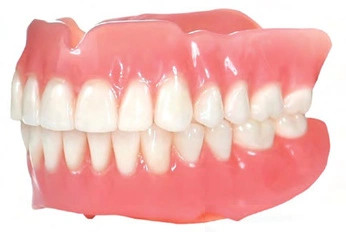
When patients lose a tooth, the impact goes far beyond appearance. Tooth implants restore function, confidence, and long-term oral health. They are widely considered the gold standard in modern tooth replacement. For dentists seeking reliable restorations, understanding what makes implants exceptional is essential.
At Dentek Digital, we fabricate high-quality implant restorations for dental practices across the Greater Phoenix, Arizona area. Our digital CAD/CAM workflow allows us to produce precise, durable crowns and components that integrate seamlessly into the implant system. We support dentists in Mesa, Tempe, Chandler, Scottsdale, and surrounding communities every day.
This guide explores what sets outstanding tooth implants apart. Additionally, it covers how digital dentistry elevates the entire restoration process — from planning to final placement.
What Are Tooth Implants and Why Do They Matter?
A tooth implant is a titanium post surgically placed into the jawbone. It acts as an artificial root. Therefore, it provides a stable foundation for a crown, bridge, or other restoration placed on top.
Implants are unique because they preserve bone structure. Unlike traditional bridges, they do not rely on adjacent teeth for support. As a result, patients enjoy a more natural feel and better long-term outcomes.
The Three Core Components of an Implant
Understanding the parts of an implant helps dentists communicate clearly with patients. First, the titanium post is placed in the jaw. Next, an abutment connects the post to the final restoration. Finally, the crown — fabricated by a dental lab — completes the visible tooth.
Each component must be precise. Moreover, the crown must match the patient’s bite, adjacent teeth, and aesthetic expectations. This is where a skilled digital dental lab makes a significant difference.
How Digital Dentistry Transforms Implant Restorations
Traditional dental labs relied heavily on manual techniques and physical impressions. However, digital dentistry has changed everything. CAD/CAM technology — computer-aided design and computer-aided manufacturing — allows labs to design and mill restorations with exceptional accuracy.
At Dentek Digital, we were among the earliest adopters of the digital CAD/CAM workflow in the country. Because of this, we have refined our process over many years. Our team combines advanced technology with skilled craftsmanship to deliver consistent, high-quality results.
The CAD/CAM Workflow Explained
The digital workflow begins with a scan. Dentists send us digital impressions or STL files from their intraoral scanners. Our technicians then design the restoration in specialized software. After that, a milling machine crafts the crown from high-quality materials like zirconia or lithium disilicate.
This process reduces human error significantly. Furthermore, it shortens turnaround times. Dental practices in Scottsdale, Gilbert, and Chandler benefit from faster case completion without sacrificing quality.
Materials That Support Long-Term Success
Material selection is critical for implant crowns. Zirconia is a popular choice because of its strength and natural appearance. Additionally, it is biocompatible, meaning it works well with the body’s tissues. Lithium disilicate offers excellent aesthetics for anterior restorations.
We help dentists choose the right material for each case. On the other hand, no material is universally perfect — the patient’s bite, location of the implant, and aesthetic goals all influence the decision.
What Makes a Great Implant Restoration?
Outstanding tooth implants share several key qualities. These qualities define success for both the dentist and the patient. Below are the most important factors to consider.
- Precise fit: The crown must seat accurately on the abutment with no gaps or rocking.
- Proper occlusion: The bite must be balanced to prevent stress on surrounding teeth.
- Aesthetic match: The crown should blend naturally with adjacent teeth in shape, shade, and texture.
- Durable materials: High-quality materials resist chipping, staining, and wear over time.
- Biocompatible design: The emergence profile should support healthy gum tissue around the implant.
Each of these factors requires careful attention. Moreover, achieving all of them consistently requires both advanced technology and experienced technicians. At Dentek Digital, we prioritize all five in every case we fabricate.
Digital Implant Planning: A Game-Changer for Dentists
Beyond restoration fabrication, Dentek Digital offers advanced digital implant planning services. This service helps dentists visualize implant placement before surgery. Therefore, it reduces surprises in the operatory and improves overall outcomes.
Digital planning uses 3D imaging data — typically from a CBCT scan — combined with digital impressions. Our team processes this data to create a detailed surgical guide. As a result, dentists can place implants with greater confidence and precision.
Why Planning Matters from a Lab Perspective
When implants are placed in the ideal prosthetic position, the final restoration fits better. Additionally, it looks more natural. The lab and the dentist work together as a team. This collaboration leads to better patient outcomes across the board.
Dental practices in Mesa and Tempe have found that pre-surgical planning reduces the need for adjustments. Furthermore, it makes the entire workflow more efficient. Patients appreciate shorter treatment timelines too.
Supporting Dental Practices Across Greater Phoenix
Dentek Digital proudly serves dental professionals throughout the Greater Phoenix area. We understand the needs of busy practices in urban centers like Scottsdale and suburban communities like Gilbert and Chandler. Our team works hard to be a reliable lab partner for every case.
We offer a full range of digital restoration services. In addition to implant crowns, we fabricate fixed restorations, removables, splints, nightguards, and more. Our TattooTH service provides custom-shaded restorations for highly aesthetic cases.
Sending Us a Case Is Simple
We make it easy for dental practices to work with us. Digital case submission means no physical impressions are required. Simply scan, upload, and submit. After that, our team reviews the case and begins fabrication promptly.
We communicate clearly throughout the process. Therefore, dentists always know where their cases stand. We treat every case — large or small — with the same level of care and precision.
Tips for Dentists Placing Implant Restorations
Even with the best lab support, success depends on strong clinical technique. Here are several practical tips for dentists working with implant restorations.
- Use accurate digital impressions: Scan carefully around the implant analog or scan body for the most accurate data.
- Communicate shade preferences clearly: Send photos alongside digital files when aesthetics are critical.
- Share bite records: Accurate occlusal data helps the lab design a crown that fits the patient’s bite from day one.
- Review the emergence profile: Discuss soft tissue contours with the lab before finalizing the abutment design.
- Plan ahead for multi-unit cases: Complex cases benefit from early collaboration with the lab team.
Additionally, consistent communication with your lab partner leads to better results over time. We encourage dentists to reach out with questions at any stage of a case.
Frequently Asked Questions About Tooth Implants and Digital Lab Services
What types of tooth implants does Dentek Digital support?
We fabricate restorations for a wide range of implant systems. These include single-unit crowns, implant-supported bridges, and full-arch restorations. We work with most major implant platforms and can advise on compatibility.
How do I send an implant case to Dentek Digital?
Simply use our digital case submission portal. You can upload STL files, CBCT data, photos, and case notes directly. Our team reviews each submission and follows up quickly with any questions or confirmations.
What materials do you recommend for implant crowns?
Zirconia is our most commonly requested material for implant crowns because of its strength and aesthetics. However, we tailor material recommendations to each patient’s specific needs, bite force, and aesthetic goals.
Can Dentek Digital help with full-arch implant cases?
Yes. We have extensive experience with full-arch cases, including implant-supported dentures and fixed full-arch bridges. These cases require careful planning and precise fabrication. Our digital workflow is well-suited for this level of complexity.
How does digital implant planning benefit my patients?
Digital planning helps ensure the implant is placed in the ideal position for the final restoration. Therefore, the crown fits better, looks more natural, and functions more comfortably. It also reduces the need for adjustments after placement.
Partner with Dentek Digital for Superior Implant Restorations
Tooth implants represent one of the most impactful services a dental practice can offer. Furthermore, the quality of the restoration plays a major role in long-term patient satisfaction. Choosing the right lab partner is one of the most important decisions a dentist can make.
At Dentek Digital, we bring together cutting-edge CAD/CAM technology and experienced craftsmanship. We serve dental practices in Phoenix, Mesa, Tempe, Chandler, Scottsdale, Gilbert, and beyond. Our goal is simple: to help you deliver the best possible outcomes for your patients.
Ready to elevate your implant cases? Contact Dentek Digital today to send us a case or discuss how we can support your practice. We look forward to partnering with you.