
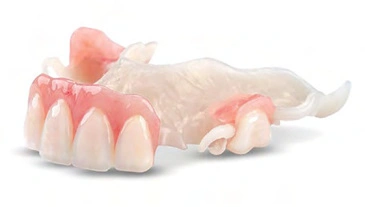
When patients lose a tooth, they want a solution that looks natural, feels comfortable, and lasts. Tooth implants have become the gold standard for tooth replacement across modern dentistry. They restore function, support jaw health, and deliver results that traditional dentures simply cannot match.
For dentists and dental practices, offering implant-supported restorations means partnering with a lab that can deliver precision. That is where digital fabrication makes a real difference. Advanced CAD/CAM technology allows dental labs to produce implant crowns, abutments, and full-arch restorations with outstanding accuracy.
At Dentek Digital, we support dental professionals across the Greater Phoenix area — from Scottsdale to Chandler and beyond — with high-quality implant restorations built on a fully digital workflow. In this post, we break down what makes tooth implants so effective and how a digital dental lab elevates every case.
What Are Tooth Implants and Why Do They Matter?
A tooth implant is a titanium post that a dentist places directly into the jawbone. It acts as an artificial root. Over time, the bone fuses around it in a process called osseointegration. Then, a custom crown is placed on top to restore the visible tooth.
This process creates a restoration that feels and functions like a natural tooth. Additionally, it preserves bone structure that would otherwise deteriorate after tooth loss. Because of this, implants are considered the most comprehensive tooth replacement option available today.
The Role of the Dental Lab in Implant Success
The implant post is placed by the dentist. However, the crown, abutment, and any prosthetic components are fabricated by the dental lab. Therefore, the quality of the lab’s work directly affects the final outcome for the patient.
A digital dental lab uses precise scanning and CAD/CAM milling to create restorations that fit accurately from the start. This reduces chair time and minimizes adjustments. Moreover, it ensures consistent quality across every case.
How CAD/CAM Technology Improves Implant Restorations
CAD/CAM stands for computer-aided design and computer-aided manufacturing. In a digital dental lab, this technology replaces many traditional manual steps. As a result, the fabrication process becomes faster, more accurate, and more repeatable.
First, a digital scan replaces traditional impressions. Next, the lab designs the restoration using specialized software. Then, a milling machine carves the restoration from a high-quality material block. Finally, the piece is finished and delivered to the dental practice ready to place.
Materials Used in Digital Implant Crowns
Digital labs work with a range of premium materials for implant restorations. The most common include:
- Zirconia: Extremely strong and highly aesthetic. It is ideal for both anterior and posterior implant crowns.
- PFM (Porcelain-Fused-to-Metal): A reliable traditional option with good aesthetics and strength.
- Full-Contour Zirconia: Monolithic restorations that offer exceptional durability with a natural look.
- Titanium Abutments: Milled precisely for a stable, long-lasting implant connection.
Each material has specific advantages. Furthermore, the choice depends on the location of the implant, the patient’s bite, and aesthetic goals. A skilled lab technician will guide the clinician toward the best option for each case.
Why Dentists in the Greater Phoenix Area Choose Digital Labs
Dental practices in Mesa, Tempe, Gilbert, and Scottsdale are increasingly moving toward digital workflows. The reason is simple: digital restorations deliver better fit, faster turnaround, and more predictable results.
Traditional impressions can distort. Stone models can crack or shift. On the other hand, digital scans capture the full arch with exceptional detail. Because of this, the restoration fits more accurately right out of the box.
Faster Turnaround for Implant Cases
Time matters in a busy dental practice. Digital workflows significantly reduce fabrication time compared to conventional lab methods. Additionally, digital cases are easier to communicate and track.
When a practice in Chandler or Tempe submits a digital case, the lab can begin work almost immediately. There is no waiting for physical impressions to arrive by courier. As a result, patients spend less time waiting for their final restoration.
Precision Fit Means Fewer Remakes
A poorly fitting implant crown causes problems. It can lead to discomfort, bite issues, and even implant failure over time. Therefore, precision is not optional — it is essential.
At Dentek Digital, we were among the earliest adopters of the digital CAD/CAM workflow in the country. Our systems are designed to minimize error at every step. Moreover, our experienced technicians review every case before it ships to ensure it meets our standards.
Implant Planning: Taking Digital Dentistry Further
Beyond fabrication, Dentek Digital offers advanced digital implant planning services. This allows dentists to map out implant placement before surgery using detailed 3D models. As a result, the surgical phase becomes more predictable and efficient.
Digital implant planning is especially valuable for complex cases. For example, full-arch reconstructions and cases with significant bone loss benefit greatly from pre-surgical planning. This service supports better outcomes for both the dentist and the patient.
How Digital Planning Supports Surgical Guides
Using implant planning software, our team can help design surgical guides. These guides help the dentist place the implant in the exact planned position. Furthermore, they reduce procedure time and improve accuracy in the operatory.
Practices across the Greater Phoenix area — including those in Mesa and Scottsdale — are adopting guided surgery protocols. Additionally, pairing planning services with digital lab fabrication creates a seamless, end-to-end implant solution.
Full-Arch Implant Restorations and the All-on-X Concept
Some patients require a full arch of teeth to be replaced. The All-on-4 or All-on-X concept uses a small number of strategically placed implants to support an entire arch restoration. This is a life-changing solution for patients with significant tooth loss.
Digital labs play a critical role in this process. The final prosthesis must be designed, milled, and finished with exceptional accuracy. Moreover, the entire workflow — from planning to delivery — depends on close collaboration between the dentist and the lab.
Temporary and Final Prosthetics in Full-Arch Cases
Full-arch cases often require a temporary prosthesis placed immediately after surgery. Then, a final restoration is delivered after healing is complete. Both stages require precise lab work.
At Dentek Digital, we fabricate both temporaries and final full-arch prosthetics. Additionally, we support our dental partners through every phase of the case. Because of this, dentists in Gilbert and Chandler trust us with their most complex implant work.
Frequently Asked Questions About Tooth Implants and Digital Labs
What makes a digital dental lab different from a traditional lab?
A digital dental lab uses CAD/CAM technology to design and mill restorations. Traditional labs rely more on manual techniques. As a result, digital labs often deliver greater precision and faster turnaround times.
Can any dental practice submit implant cases to Dentek Digital?
Yes. We work with dentists and dental practices across the Greater Phoenix area. Additionally, we accept cases from dental professionals throughout Arizona. Our team is happy to discuss your specific case needs.
What implant systems does Dentek Digital support?
We support a wide range of major implant systems. Therefore, dentists do not need to switch systems to work with us. Contact our team directly to confirm compatibility with your preferred implant platform.
How does digital implant planning benefit the patient?
Digital planning allows the dentist to map out the implant position before surgery. Because of this, the placement is more accurate. Moreover, it reduces the risk of complications during the procedure.
What materials are best for implant crowns in the posterior region?
Full-contour zirconia is often preferred for posterior implant crowns. It is extremely durable and handles chewing forces well. Additionally, it offers a natural appearance that blends with surrounding teeth.
Partner With Dentek Digital for Your Implant Cases
Tooth implants represent one of the most technically demanding areas of modern dentistry. The outcome depends on careful placement, precise lab work, and a seamless workflow between the clinician and the lab. At Dentek Digital, we are proud to support that process with the most advanced digital technology available.
Our team has decades of combined experience in digital dentistry and CAD/CAM fabrication. We are recognized as a national leader in our field. Furthermore, we are committed to delivering restorations that meet the highest standards every single time.
Whether you are in Scottsdale, Tempe, Mesa, or anywhere across the Greater Phoenix area, we are ready to support your implant cases. Contact Dentek Digital today to send us a case or request a consultation with our team. Let us help you deliver outstanding outcomes for your patients.