
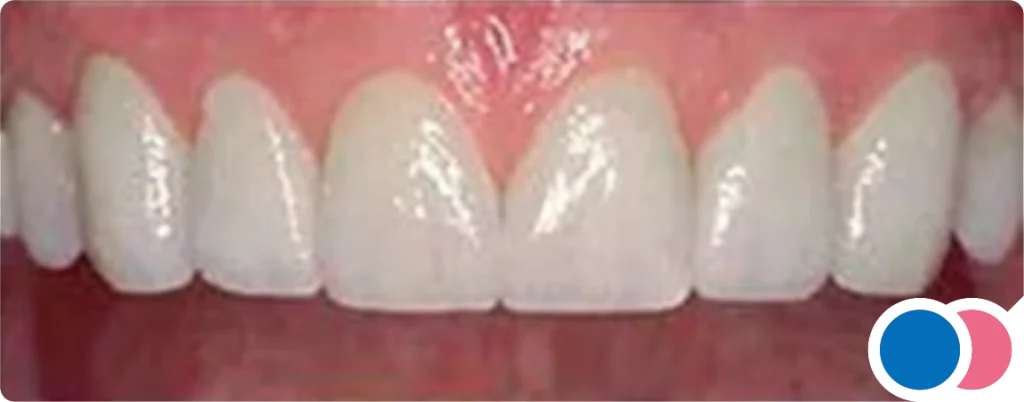
When dental professionals talk about the best implants, they are talking about more than just the implant fixture itself. They are talking about the entire restoration — the crown, abutment, and the digital workflow behind it. Choosing the right lab partner is just as important as choosing the right implant system.
At Dentek Digital, we work with dentists across the Greater Phoenix, Arizona area to deliver implant restorations built with advanced CAD/CAM technology. Our process is precise, efficient, and designed to support excellent patient outcomes.
In this post, we will walk through what defines a high-quality implant restoration, how digital dentistry has changed the game, and why so many dental practices trust Dentek Digital for their implant casework.
What Makes an Implant Restoration Truly the Best?
Not all implant restorations are created equal. Therefore, it is worth understanding what separates an average result from a truly excellent one. The best implants deliver function, aesthetics, and long-term reliability — all at once.
Several key factors influence the quality of an implant restoration. First, the fit must be precise. Additionally, the materials must be strong and biocompatible. Finally, the aesthetics need to blend naturally with surrounding teeth.
Fit and Precision
A well-fitting implant crown seats correctly on the abutment with no gaps or rocking. Because of this, marginal integrity is one of the most critical benchmarks in implant restoration quality. Poor fit can lead to complications over time.
CAD/CAM technology allows labs like Dentek Digital to mill restorations with extremely tight tolerances. As a result, the fit is consistently more accurate than traditional hand-fabricated methods. This matters especially for full-arch and multi-unit cases.
Materials That Perform
Modern implant restorations are commonly made from zirconia or lithium disilicate. However, the best material depends on the clinical situation. For example, posterior implants benefit from high-strength zirconia, while anterior cases may call for more translucent materials.
At Dentek Digital, we work with premium, tested materials. Moreover, we help dentists in Mesa, Tempe, Chandler, and Scottsdale select the right material for each specific case. The goal is always a restoration that looks natural and performs reliably.
How CAD/CAM Technology Elevates Implant Restorations
CAD/CAM stands for Computer-Aided Design and Computer-Aided Manufacturing. In simple terms, it means restorations are designed digitally and milled by a computer-guided machine. This process removes much of the guesswork from fabrication.
Dentek Digital was among the earliest adopters of the CAD/CAM workflow in the country. Because of this head start, our team has refined our process over many years. We combine that technology with skilled craftsmanship to deliver results dentists can count on.
Digital Scanning and Design
The digital workflow starts with a scan — either from an intraoral scanner or a scan of a physical impression. Next, our technicians import that scan into design software. Then, they design the restoration with precision, accounting for occlusion, contour, and emergence profile.
This digital design phase is where experience really matters. Furthermore, our technicians understand implant-specific considerations that influence the final result. Every design decision is made with the patient’s long-term outcome in mind.
Milling and Finishing
Once the design is approved, the restoration is milled from a solid block of the chosen material. Additionally, our lab technicians finish and characterize each piece by hand. This blend of technology and artistry is what sets Dentek Digital apart.
The result is a restoration that fits well, looks great, and is built to last. Meanwhile, the turnaround time is faster than traditional lab methods. Dentists appreciate the efficiency without sacrificing quality.
Implant Planning: A Critical Step Many Skip
One of the most valuable services Dentek Digital offers is digital implant planning. This service helps dentists plan implant placement before surgery. As a result, the final restoration can be designed backward from the ideal crown position.
This concept is called restorative-driven implant placement. In other words, the restorative outcome guides where the implant is placed. This approach dramatically improves aesthetics and function.
Why Planning Matters for Complex Cases
For single-tooth replacements, planning is straightforward. However, for full-arch cases or patients with bone loss, planning becomes essential. Because of this, skipping the planning phase can lead to complications that are difficult to correct later.
Digital planning tools allow us to visualize the final result before a single incision is made. Moreover, this creates a clear communication path between the lab, the dentist, and the patient. Everyone is aligned before treatment begins.
How Dentek Digital Supports Implant Planning
Our team works directly with dentists in the Greater Phoenix area — including practices in Gilbert, Mesa, and Scottsdale — to provide digital implant planning services. We analyze CBCT scans alongside digital models to map out the ideal implant position.
Additionally, we can fabricate surgical guides based on the planning data. These guides help dentists place implants with greater accuracy. As a result, the final restoration fits better and the patient experience improves.
Full-Arch Implant Restorations
Full-arch implant restorations, such as All-on-4 or All-on-X cases, represent some of the most complex work in dentistry. Therefore, they require a lab partner with deep expertise and advanced equipment. Dentek Digital specializes in these complex cases.
We fabricate full-arch restorations using high-strength zirconia milled from a single block. This monolithic design is strong, precise, and predictable. Furthermore, our digital workflow ensures consistent quality across every arch we produce.
Temporary and Final Restorations
Full-arch cases often require a temporary restoration placed the same day as surgery. Next, once tissue has healed and the implants have integrated, the final restoration is delivered. Dentek Digital fabricates both temporaries and finals with equal attention to detail.
This continuity matters. Because we design both the temporary and final restoration, we can ensure a smooth transition. Also, any adjustments learned from the temporary phase can be incorporated into the final design.
Why Greater Phoenix Dentists Trust Dentek Digital
Dentists across the Greater Phoenix area — from Tempe to Chandler and beyond — choose Dentek Digital for one core reason: consistent, reliable quality. We are recognized as a national leader in digital dentistry, and we bring that expertise to every case we touch.
Our team understands the demands of a busy dental practice. Therefore, we work hard to make the lab relationship as seamless as possible. We offer clear communication, fast turnaround times, and restorations that rarely need adjustment.
A True Lab Partnership
We do not see our role as simply making a crown and shipping it out. On the other hand, we see ourselves as a true partner in the clinical process. We welcome case discussions before fabrication begins.
Additionally, we offer advanced services like TattooTH — a proprietary technique for marking and identifying removable appliances — and implant planning support. These services reflect our commitment to going beyond the basics for every dental practice we serve.
Frequently Asked Questions About Implant Restorations
What is the best material for an implant crown?
The best material depends on the location of the implant and the patient’s bite. For example, posterior implants often call for high-strength zirconia. Meanwhile, anterior implants may benefit from more translucent ceramic options. Dentek Digital helps dentists choose the right material for each case.
How does a digital workflow improve implant results?
A digital workflow improves accuracy at every stage of fabrication. Because designs are created in software and milled by machine, tolerances are tighter than with traditional methods. As a result, fit is better and chairside adjustments are minimized.
What is restorative-driven implant placement?
Restorative-driven placement means the ideal crown position guides where the implant is surgically placed. Therefore, the final restoration fits naturally and functions correctly. Digital implant planning makes this approach possible and predictable.
Can Dentek Digital handle full-arch implant cases?
Yes. We specialize in full-arch restorations, including All-on-4 and similar full-arch implant designs. Furthermore, we fabricate both temporary and final restorations to ensure consistency throughout the treatment process.
How do I send a case to Dentek Digital?
Sending a case to Dentek Digital is straightforward. We accept digital scans as well as traditional impressions. Additionally, our team is happy to discuss your case before you submit it. Simply reach out and we will walk you through the process.
Partner with Dentek Digital for Your Best Implant Results
Delivering the best implants to your patients starts with the right lab. At Dentek Digital, we combine advanced CAD/CAM technology with years of hands-on expertise to fabricate implant restorations that fit, function, and look exceptional.
We proudly serve dental practices across the Greater Phoenix area, including Scottsdale, Mesa, Chandler, Tempe, and Gilbert. Moreover, our digital workflow is built to support busy practices that need reliable results without delays.
Ready to elevate your implant cases? Contact Dentek Digital today to send us a case or discuss your next implant restoration. Our team is ready to partner with you for better patient outcomes.