
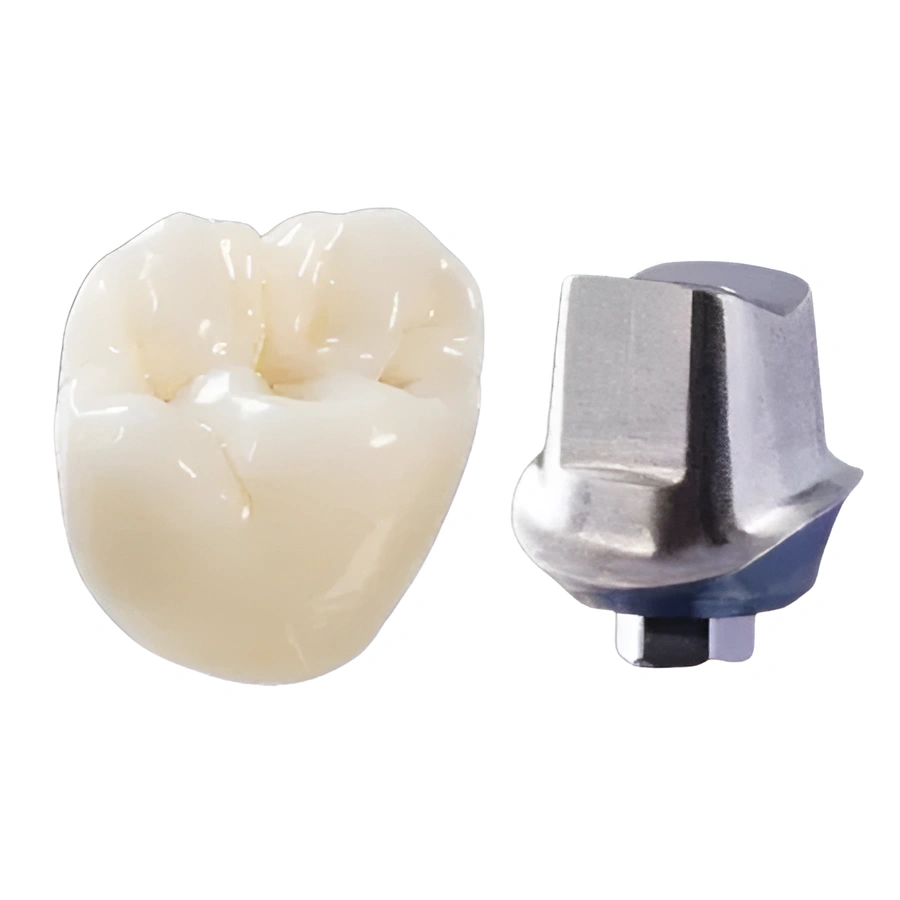
When patients ask their dentist about the best implants available, they are really asking about the full system behind the restoration. It is not just about the implant post itself. The quality of the restoration placed on top matters just as much. That is where a skilled, technology-driven dental lab becomes essential.
For dentists across the Greater Phoenix area — including communities like Scottsdale, Chandler, Mesa, and Gilbert — having a reliable lab partner makes a real difference. Furthermore, advances in CAD/CAM technology have raised the standard for what implant restorations can achieve. Precision, fit, and aesthetics have never been better.
At Dentek Digital, we work alongside dental professionals to fabricate high-quality implant restorations using advanced digital workflows. In this post, we explore what separates great implant restorations from average ones. We also cover what dentists should look for in a lab partner to consistently deliver excellent outcomes.
What Makes an Implant Restoration the Best?
The best implant restorations combine accuracy, strength, and natural aesthetics. However, achieving all three requires more than good materials alone. It requires a precise digital process from start to finish.
Today, CAD/CAM technology allows labs to design and mill restorations with incredibly tight tolerances. As a result, the final crown, bridge, or full-arch prosthetic fits more predictably. This reduces chair time for the dentist and improves patient comfort significantly.
Additionally, digital workflows allow for better communication between the dental office and the lab. Scans, design files, and approval steps happen faster. Therefore, turnaround times improve without sacrificing quality.
Material Selection Matters
Material choice plays a huge role in implant restoration outcomes. For example, zirconia is widely used for its strength and tooth-like appearance. It resists wear well and performs reliably in high-bite-force areas.
On the other hand, layered ceramics can offer exceptional aesthetics for visible anterior restorations. The right material depends on the patient’s bite, location in the arch, and aesthetic goals. Moreover, a skilled lab technician can guide the dentist toward the best option for each specific case.
The Role of Digital Scanning and Design
Accurate scans are the foundation of a great implant restoration. Because of this, many leading practices in Phoenix and Scottsdale have already adopted intraoral scanners. Digital impressions eliminate distortion that can occur with traditional materials.
Once the scan is received, the lab uses CAD software to design the restoration precisely. The technician accounts for occlusion, emergence profile, and soft tissue contours. Finally, the design is milled or printed using high-grade materials for a superior final product.
How CAD/CAM Technology Elevates Implant Restorations
CAD/CAM stands for Computer-Aided Design and Computer-Aided Manufacturing. In simple terms, it means designing restorations digitally and fabricating them with automated precision. This technology has transformed modern dental labs.
For implant cases, CAD/CAM offers significant advantages. First, it produces highly consistent results across every case. Next, it allows labs to work with a wider range of materials than traditional methods allowed. Then, final restorations fit better and require fewer adjustments at delivery.
Dentek Digital was one of the earliest adopters of the CAD/CAM workflow in the country. Therefore, our team has deep experience working with these systems across a wide range of implant case types.
Full-Arch Implant Solutions
Full-arch implant cases — sometimes called implant-supported bridges or All-on-X restorations — are among the most complex in dentistry. However, with the right digital workflow, labs can fabricate these prosthetics with impressive accuracy. The fit across multiple implant positions must be precise to avoid stress on the implants.
Our team at Dentek Digital uses advanced planning tools and design software to manage these cases carefully. Additionally, we offer digital implant planning services to support more predictable surgical and restorative outcomes. Dentists in Mesa, Gilbert, and surrounding communities rely on these services regularly.
Single-Unit Implant Crowns
Single-unit implant crowns are the most common implant restoration. Even so, quality varies widely between labs. A well-designed crown should emerge naturally from the tissue, match adjacent teeth in color and contour, and seat passively on the abutment.
Because of this, our lab pays careful attention to every detail of the design phase. We review emergence profiles, contact points, and occlusal surfaces before milling begins. As a result, dentists receive restorations that typically seat well and satisfy patients aesthetically.
Choosing the Right Lab Partner for Implant Cases
Not all dental labs are equally equipped for implant work. Therefore, dentists should evaluate their lab partner carefully before sending complex cases. Several key factors separate high-performing labs from average ones.
First, look for a lab that uses current CAD/CAM technology and keeps its equipment updated. Furthermore, experienced implant technicians should be actively involved in every case. A lab that treats implant restorations as routine assembly work will not deliver the same quality as one that applies true craftsmanship.
Communication and Turnaround
Strong communication between the practice and the lab leads to better outcomes. For example, when a lab technician can review a case with the dentist before fabrication begins, potential issues are resolved early. This saves time and avoids remakes.
Additionally, reliable turnaround times matter for patient scheduling. Dentek Digital is built to serve dental practices across Greater Phoenix efficiently. Whether your practice is in Tempe, Chandler, or central Phoenix, we work to meet your schedule without cutting corners.
Support for Advanced Cases
Some implant cases require more than standard fabrication. For instance, cases involving bone grafting, tissue management, or immediate loading need careful planning. Dentek Digital offers digital implant planning support to help dentists think through complex cases in advance.
Moreover, our TattooTH service provides a unique personalization option for select restorations. This kind of innovation reflects our commitment to staying at the leading edge of dental technology. We are not just a fabrication lab — we are a true clinical partner.
Tips for Dentists Sending Implant Cases to a Digital Lab
Sending a well-prepared case to your lab sets the foundation for success. Here are practical steps that help ensure a smooth process and a great result.
- Use high-quality intraoral scans: Clean, full-arch scans with accurate implant scan body positions give the lab what it needs to design precisely.
- Include shade and aesthetic photos: Images of adjacent teeth and tissue help the technician match the restoration to the patient’s smile naturally.
- Communicate occlusal details: Note any parafunctional habits, opposing material, or bite concerns that could affect material and design choices.
- Specify the implant system: Always include the implant brand, platform, and connection type so the correct components are used.
- Ask questions early: If you are unsure about material selection or design options, reach out to the lab before submitting the case.
Additionally, establishing a consistent workflow with your lab partner reduces errors over time. The more your lab understands your preferences, the smoother every case becomes. Therefore, building a long-term relationship with a digital lab like Dentek Digital pays off across your entire patient base.
Frequently Asked Questions About Implant Restorations
What is the difference between an implant and an implant restoration?
The implant is the titanium post that a surgeon places in the jawbone. The restoration is the crown, bridge, or prosthetic that attaches on top. Both must be high quality for the final result to be successful. Dentek Digital focuses on fabricating the restoration portion with precision.
What materials does Dentek Digital use for implant crowns?
We work with a range of materials, including zirconia, layered zirconia, and PFM options depending on the clinical situation. Moreover, our technicians help dentists choose the right material for each case based on function and aesthetics.
Can Dentek Digital handle full-arch implant cases?
Yes. We fabricate full-arch implant restorations using advanced CAD/CAM technology and digital implant planning tools. These cases require extra precision, and our experienced team is well-equipped to handle them. We serve practices across Greater Phoenix, including Scottsdale, Mesa, and Chandler.
How does digital scanning improve implant restoration outcomes?
Digital scans provide more accurate data than traditional impressions. Because of this, restorations designed from digital scans tend to fit better and require fewer adjustments. Furthermore, digital files can be reviewed and refined before any milling begins, which reduces the chance of errors.
How do I get started working with Dentek Digital for implant cases?
Getting started is simple. Reach out to our team, share details about your practice and case types, and we will walk you through the submission process. We work with dental practices throughout Greater Phoenix and are ready to support your implant cases from day one.
Partner With Dentek Digital for Your Implant Restorations
Delivering the best implant outcomes for your patients starts with choosing the right lab partner. At Dentek Digital, we combine advanced CAD/CAM technology with skilled craftsmanship to fabricate restorations that meet the highest standards. Our team has been at the forefront of digital dentistry since its early days.
We proudly support dental practices across the Greater Phoenix area, including communities in Mesa, Tempe, Gilbert, Scottsdale, and Chandler. Whether you need single-unit crowns, full-arch prosthetics, or complex implant solutions, we are equipped to help. Furthermore, our digital implant planning and TattooTH services offer added value for forward-thinking practices.
Ready to elevate your implant restorations? Contact Dentek Digital today to discuss your next case and discover how our digital lab can support better outcomes for your patients.