
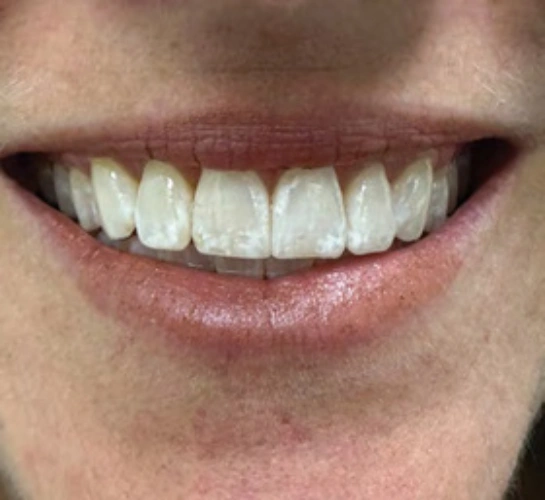
Patients searching for top dental implants want more than just a replacement tooth. They want a restoration that looks natural, fits precisely, and lasts for years. That expectation starts long before a patient sits in the chair — it starts in the dental lab.
For dentists across the Greater Phoenix area, partnering with a high-quality digital dental lab makes a measurable difference. Practices in communities like Scottsdale, Mesa, Chandler, and Gilbert are increasingly turning to advanced CAD/CAM workflows to deliver implant restorations that exceed patient expectations.
At Dentek Digital, we specialize in precision implant restorations built with industry-leading digital technology. In this post, we’ll walk through what makes implant restorations exceptional and how the right lab partner elevates your results.
What Makes a Dental Implant Restoration Truly Stand Out?
Not all implant restorations are created equal. Therefore, it’s worth understanding what separates a good implant crown from a great one. The difference often comes down to fit, material quality, and the precision of the fabrication process.
A well-fabricated implant crown seats cleanly on the abutment. Additionally, it matches the surrounding dentition in color, contour, and function. When a restoration achieves all three, patients rarely think about it again — which is exactly the goal.
The Role of Digital Technology in Implant Fabrication
Traditional implant workflows relied heavily on manual processes. However, digital workflows have transformed what’s possible. CAD/CAM dentistry allows lab technicians to design and mill restorations with exceptional accuracy.
Because of this precision, margins are tighter and fit is more predictable. As a result, dentists spend less time adjusting restorations chairside. That means better outcomes and a smoother experience for patients.
Dentek Digital was among the earliest adopters of digital CAD/CAM workflows in the country. Furthermore, we continue to evolve our process as technology advances. Our team combines that technology with skilled craftsmanship to deliver restorations dentists can rely on.
Types of Implant Restorations We Fabricate
Implant cases vary widely. Some patients need a single crown. Others need a full-arch solution. In addition, some cases involve complex bone anatomy or aesthetic challenges. A capable lab handles all of it with equal care.
At Dentek Digital, we fabricate a full range of implant restorations for dental practices throughout the Greater Phoenix area, including communities like Tempe, Scottsdale, Chandler, and Mesa.
Single-Unit Implant Crowns
Single-unit implant crowns are among the most common restorations we produce. Moreover, they require careful attention to occlusion and emergence profile. A poorly designed crown can create bite issues or tissue problems over time.
Our digital workflow allows us to analyze the case in three dimensions before a single block is milled. Therefore, every crown is designed to fit the patient’s unique anatomy. The result is a restoration that integrates naturally with the surrounding teeth.
Implant-Supported Bridges
Multi-unit bridges on implants demand even greater precision. First, the framework must span multiple implant positions accurately. Next, the occlusal design must distribute force evenly across all abutments. Finally, the aesthetic result must look seamless from any angle.
Our team uses digital scans and advanced design software to engineer bridges that meet all three requirements. As a result, dentists receive restorations that seat predictably and perform reliably over time.
Full-Arch Implant Solutions
Full-arch cases are among the most complex in restorative dentistry. However, they are also among the most life-changing for patients. Our lab fabricates full-arch implant restorations using high-strength materials designed for long-term function.
We work closely with dental practices to ensure each case is designed with both aesthetics and durability in mind. Furthermore, our digital workflow supports faster turnaround without sacrificing quality. That matters especially for full-arch cases where patients are eager to complete treatment.
If you’re ready to elevate your implant cases, contact Dentek Digital to discuss your next case with our team.
Materials Matter: What Goes Into a High-Quality Implant Restoration
Material selection plays a critical role in implant restoration success. Therefore, it’s worth understanding the options available and when each is appropriate. The right material depends on the location, function, and aesthetic demands of the case.
Zirconia: Strength and Aesthetics Combined
Zirconia has become one of the most popular materials for implant crowns and bridges. It offers excellent strength, durability, and a natural appearance. Additionally, it is biocompatible, which makes it a strong choice for patients with sensitivities.
Modern zirconia comes in multiple translucency levels. Because of this, our technicians can select the right type based on whether the restoration is in the aesthetic zone or the posterior region. The goal is always to match the clinical demands of the case.
Layered and Monolithic Options
Layered restorations combine a zirconia or metal framework with porcelain layered on top. On the other hand, monolithic restorations are milled from a single block. Each approach has advantages depending on the case requirements.
Monolithic zirconia is often preferred for posterior implant crowns due to its strength. Meanwhile, layered restorations may be chosen for highly aesthetic anterior cases. Our team helps dentists select the right approach for every patient.
Digital Implant Planning: A Smarter Way to Prepare
One of the most valuable services we offer is digital implant planning. This process allows dentists to plan implant placement with precision before surgery begins. As a result, treatment is more predictable and efficient.
Digital implant planning uses 3D imaging data to visualize bone volume, nerve proximity, and ideal implant positioning. Furthermore, it supports the creation of surgical guides that help place implants exactly where planned. This reduces guesswork and improves outcomes.
Dental practices in Scottsdale, Gilbert, and across the Phoenix metro area have used our digital implant planning service to streamline complex cases. Additionally, the guided approach often leads to faster healing and fewer complications. It’s a smarter way to approach implant treatment from the start.
Why Phoenix-Area Dentists Choose Dentek Digital
Choosing the right lab partner is one of the most important decisions a dental practice can make. Therefore, it’s worth understanding what sets Dentek Digital apart from other options in the region.
We are a recognized national leader in digital dentistry. Moreover, we were one of the first labs in the country to adopt a fully digital CAD/CAM workflow. That experience translates into consistently high-quality restorations for every case we receive.
Our team serves dental practices throughout the Greater Phoenix area, including communities in Mesa, Tempe, Chandler, Gilbert, and Scottsdale. In addition, we offer a comprehensive range of services beyond implants, including fixed restorations, removables, splints, nightguards, and our exclusive TattooTH service.
When you partner with Dentek Digital, you gain more than a fabrication lab. You gain a team that is invested in the success of your practice and the outcomes of your patients.
Frequently Asked Questions About Implant Restorations
What information does Dentek Digital need to fabricate an implant crown?
We typically need a digital scan or impression of the implant site, the implant system and abutment information, shade selection, and any relevant occlusal notes. Additionally, clear photos are always helpful for aesthetic cases. The more detail you provide, the better we can match your patient’s needs.
How does a digital workflow improve implant restoration accuracy?
Digital workflows eliminate many of the variables associated with traditional analog processes. Because of this, margins are more consistent and fits are more precise. Furthermore, digital scans reduce distortion that can occur with traditional impressions, leading to better-fitting restorations from the start.
Can Dentek Digital handle complex full-arch implant cases?
Yes. Our team regularly fabricates full-arch implant restorations for dental practices throughout the Phoenix metro area. Moreover, our digital workflow is well-suited for the complexity of multi-unit and full-arch cases. We encourage you to contact us early in the treatment planning process for the best results.
What materials do you recommend for posterior implant crowns?
For most posterior implant cases, we recommend monolithic zirconia due to its strength and durability. However, material selection always depends on the specific case. Our team is happy to discuss options with you based on the clinical and aesthetic demands of each patient.
How does digital implant planning benefit my patients?
Digital implant planning gives you a clear roadmap before surgery begins. As a result, implant placement is more accurate and predictable. Furthermore, surgical guides created from the planning data help reduce treatment time and support better healing outcomes for patients.
Partner With a Lab That Delivers Top Dental Implants
Delivering top dental implants requires more than surgical skill. It requires a lab partner that brings precision, experience, and advanced technology to every case. At Dentek Digital, that is exactly what we offer.
Our digital CAD/CAM workflow, skilled technicians, and comprehensive implant services give dental practices across the Greater Phoenix area the tools they need to achieve outstanding results. Furthermore, our team is always available to discuss your cases and guide you through the process.
Whether you are placing single crowns, multi-unit bridges, or full-arch restorations, we are ready to support your practice. Send us a case and experience the Dentek Digital difference for yourself. Explore your options today by reaching out to our team — we look forward to partnering with you on your next implant case.