
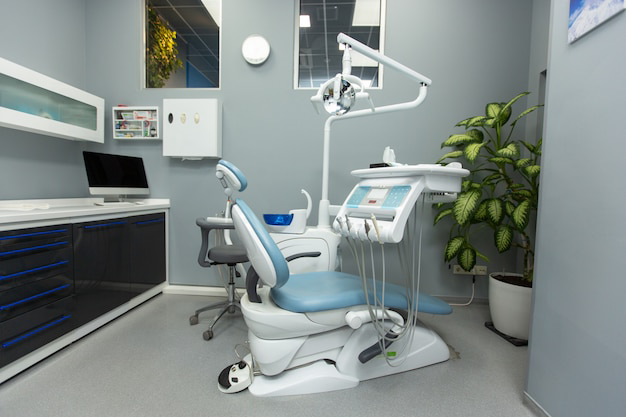
Modern dentistry has changed dramatically over the past decade. Implant planning is now a cornerstone of successful implant procedures for dental practices throughout the Greater Phoenix area. When done right, it removes guesswork and helps dentists place implants with precision and confidence.
Scottsdale practices, in particular, are embracing digital workflows at a rapid pace. As a result, more dentists are turning to advanced lab partners to support their cases before a single incision is made. Dentek Digital is proud to be at the forefront of this shift.
In this post, we explore how digital implant planning works, why it matters, and how Dentek Digital supports dentists across Scottsdale, Phoenix, Mesa, Chandler, and beyond.
What Is Digital Implant Planning?
Digital implant planning uses 3D imaging and specialized software to map out the ideal implant position before surgery. Furthermore, it allows the dental team to visualize bone structure, nerve pathways, and restoration outcomes in advance. This level of preparation simply was not possible with traditional methods.
The process typically begins with a cone beam CT scan, or CBCT. Then, that scan data is imported into planning software. From there, the lab and dentist collaborate to determine the best implant position, angle, and depth for each case.
How It Differs from Traditional Approaches
Traditional implant placement relied heavily on 2D X-rays and clinical judgment. However, those methods have real limitations. They offer a flat view of a three-dimensional problem.
Digital planning, on the other hand, creates a full 3D model of the patient’s anatomy. Therefore, dentists can see exactly where the implant will go before the procedure begins. This dramatically reduces uncertainty during surgery.
The Role of CAD/CAM Technology
CAD/CAM dentistry plays a central role in the digital implant workflow. After planning is complete, the same digital data can drive the fabrication of surgical guides, crowns, and other restorations. As a result, the entire process becomes faster, more accurate, and more predictable.
Dentek Digital was among the earliest adopters of CAD/CAM workflows in the country. Moreover, we have refined our implant planning process over many years of real-world case experience. That expertise directly benefits the dentists and patients we serve.
Why Implant Planning Matters for Scottsdale Dentists
Scottsdale is home to a highly informed and aesthetics-conscious patient base. Additionally, the dental market there is competitive. Patients expect excellent outcomes, and they do their research before choosing a provider.
Because of this, Scottsdale dentists need every advantage available. Thorough implant planning helps practices deliver the consistent, high-quality results that patients expect. It also supports better communication between the dentist and the patient.
Improved Surgical Precision
One of the most significant benefits of digital planning is surgical precision. The plan guides placement to within a very tight tolerance. Therefore, the implant lands exactly where it was designed to go.
This precision matters for both function and aesthetics. Additionally, it can reduce chair time and simplify the overall procedure. Both dentists and patients benefit from a smoother experience.
Better Prosthetic Outcomes
Implant planning is not just about the surgery. It is also about the final restoration. When the implant is placed in the ideal prosthetic position, the crown or bridge fits better and looks more natural.
Furthermore, restorations fabricated from digital data integrate seamlessly with the placement plan. Dentek Digital designs and fabricates those restorations with the same precision-focused mindset that guides our entire workflow. The result is a case where every component works together from the start.
If you are ready to elevate your implant cases, contact Dentek Digital to discuss how our planning services can support your practice.
The Dentek Digital Implant Planning Workflow
Our implant planning process is designed to be straightforward for the referring dentist. We handle the complex digital work so you can focus on your patient. Here is how it typically works.
Step 1: Submit Your Case
First, you submit the patient’s CBCT scan and any relevant records to our team. We review the data carefully and flag any concerns right away. Clear communication at this stage sets the entire case up for success.
Step 2: Collaborative Planning
Next, our technicians build the digital plan using advanced software. We consider bone density, available space, nerve proximity, and the intended restoration. Then, we share the plan with you for review and approval.
This collaboration is important. You know your patient best. Therefore, we treat the plan as a shared document rather than a finished product handed off without discussion.
Step 3: Surgical Guide Fabrication
Once the plan is approved, we fabricate a custom surgical guide. This guide translates the digital plan into a physical tool you use during the procedure. As a result, the surgery follows the plan with a high degree of accuracy.
Dentek Digital fabricates guides with the same quality standards we apply to every restoration we produce. Additionally, our turnaround times are designed to fit real practice schedules, not just ideal conditions.
Step 4: Final Restoration
Finally, we fabricate the implant crown or other prosthetic component from the same digital data used in planning. This continuity means fewer adjustments and a cleaner fit. Moreover, the aesthetic result reflects the careful planning that preceded it.
Serving Scottsdale and the Greater Phoenix Area
Dentek Digital is based in Phoenix and serves dental practices across the entire region. We work with offices in Scottsdale, Mesa, Chandler, and many surrounding communities. Our geographic reach means local dentists get the responsiveness of a nearby lab combined with national-level digital capabilities.
Scottsdale practices appreciate having a trusted lab partner close by. Additionally, practices in east Mesa and north Chandler have found our services to be a strong fit for their patient demographics. We understand the local market and the expectations that come with it.
Why Local Partnerships Matter
Working with a local digital lab offers real advantages. Communication is easier and faster. Furthermore, case coordination happens in the same time zone with the same level of urgency you apply to your own practice.
Dentek Digital is not a remote clearinghouse. We are a hands-on lab team that takes ownership of every case we touch. That personal accountability makes a measurable difference in outcomes.
Tips for Integrating Implant Planning Into Your Practice
Getting started with digital implant planning does not have to be overwhelming. Here are a few practical steps to help your practice make the transition smoothly.
- Invest in CBCT capability: Accurate scan data is the foundation of any good plan. If your office does not have a cone beam scanner, consider a referral relationship with a nearby imaging center.
- Standardize your submission process: Consistent data formats and complete records reduce back-and-forth and speed up turnaround.
- Review the plan before approving: Take time to examine the proposed implant position carefully. This is your opportunity to catch any adjustments before fabrication begins.
- Communicate with your lab: Treat your lab as a clinical partner, not just a supplier. Open dialogue leads to better plans and better outcomes.
- Document your results: Tracking your implant cases over time helps you identify what is working and where to refine your approach.
Frequently Asked Questions About Implant Planning
What information does Dentek Digital need to begin implant planning?
We typically need a CBCT scan, photos, and any relevant clinical notes. Additionally, a prescription or case form helps our team understand your goals for the restoration. The more complete the submission, the faster we can move.
How long does the implant planning process take?
Turnaround times vary depending on case complexity. However, most straightforward cases move quickly through our workflow. We communicate estimated timelines at the start of every case so you can plan accordingly.
Can Dentek Digital fabricate both the surgical guide and the final restoration?
Yes. We offer end-to-end support for implant cases. From planning and guide fabrication to the final crown or bridge, our team handles each step with the same quality standard. This continuity simplifies coordination for your practice.
Do I need special software to work with Dentek Digital?
No special software is required on your end. We work with the scan data and records you already have. Furthermore, our team handles the technical side of the digital workflow so you do not need to invest in additional platforms.
Does Dentek Digital work with practices outside of Scottsdale?
Absolutely. We serve dental practices throughout the Greater Phoenix area, including Scottsdale, Mesa, Chandler, and Phoenix proper. Moreover, our digital submission process makes it easy to work with us regardless of your exact location.
Partner With a Lab That Understands Your Cases
Implant planning is one of the most impactful services a dental lab can offer. It connects digital technology directly to surgical and restorative outcomes. As a result, practices that embrace it tend to deliver more consistent, predictable results for their patients.
Dentek Digital brings years of experience, advanced technology, and a genuine commitment to quality to every case we handle. We serve Scottsdale and the wider Greater Phoenix area with the kind of precision and responsiveness that modern dental practices need.
Explore your options and take the next step toward more predictable implant outcomes. Reach out to the Dentek Digital team today to send us a case or discuss how our implant planning services can work for your practice.