Dental technology has changed dramatically over the past decade. Digital impressions are now one of the most important tools in modern dentistry. Dentists across the Greater Phoenix area — including Carefree, Scottsdale, and Cave Creek — are embracing this shift with confidence.
Traditional impressions involved trays filled with putty-like material. That approach was uncomfortable and often inconsistent. Digital impressions, however, capture highly accurate 3D models of a patient’s teeth using an intraoral scanner. The result is a faster, more comfortable experience for patients and more reliable data for the lab.
At Dentek Digital, we work with dental practices that rely on precise digital data to fabricate exceptional restorations. We understand what it takes to make the digital workflow successful. This post explains everything you need to know about digital impressions in Carefree, AZ and the surrounding region.
What Are Digital Impressions and Why Do They Matter?
A digital impression is a 3D scan of a patient’s teeth and soft tissue. An intraoral scanner captures this data in real time. The dentist then sends the digital file directly to the dental lab for fabrication.
This process eliminates the mess and distortion that come with traditional impression materials. Additionally, digital files do not shrink, warp, or degrade over time. Therefore, the lab receives consistently accurate data every time.
CAD/CAM dentistry depends heavily on the quality of this digital input. When the scan is precise, the restoration fits better and requires fewer adjustments at delivery. As a result, both the dentist and the patient save valuable chair time.
How Intraoral Scanners Work
Intraoral scanners use structured light or laser technology to capture thousands of data points per second. The dentist or hygienist moves the wand slowly across the teeth and gum tissue. Meanwhile, a real-time 3D image builds on the screen.
Most modern scanners are compact and ergonomic. Furthermore, they produce files in open formats that integrate with leading lab software. This compatibility is essential for a smooth digital workflow from chair to lab.
Benefits for Patients in Carefree and Nearby Communities
Patients in Carefree, Cave Creek, and north Scottsdale appreciate the comfort of digital scanning. There is no gag reflex risk, no messy material, and no waiting for impressions to set. In addition, the process is faster than traditional methods.
For anxious patients, this improvement is significant. Because of this, practices that offer digital impressions often see higher patient satisfaction scores. Moreover, the accuracy of the scan reduces remakes and second appointments.
The Role of the Dental Lab in a Digital Workflow
The dental lab is a critical partner in the digital impression process. Once the dentist sends the scan file, the lab uses advanced software to design the restoration. Then, a milling machine or 3D printer fabricates the final piece with exceptional precision.
At Dentek Digital, we were among the earliest adopters of the CAD/CAM workflow in the country. Our team has processed thousands of digital cases across the Greater Phoenix area. Therefore, we understand how to handle files from virtually every major scanner brand on the market.
From Scan to Restoration: The Step-by-Step Process
- Step 1: The dentist captures a digital impression with an intraoral scanner.
- Step 2: The digital file is uploaded and sent securely to Dentek Digital.
- Step 3: Our technicians design the restoration using CAD software.
- Step 4: The restoration is milled or printed from a high-quality material.
- Step 5: The finished restoration is inspected, finished, and shipped back to the practice.
This workflow is efficient and transparent. Additionally, it gives the dentist a clear record of the case at every stage. Because of this, communication between the practice and the lab is much easier than with traditional methods.
What Restorations Can Be Made from Digital Impressions?
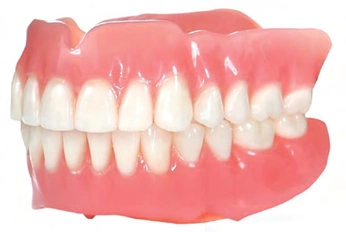
Digital impressions support a wide range of dental restorations. At Dentek Digital, we fabricate fixed restorations such as crowns, bridges, inlays, and onlays. We also offer removables, implant restorations, splints, and nightguards.
Furthermore, digital data supports advanced services like implant planning. Our team offers digital implant planning to help dentists visualize and execute complex implant cases. In addition, we provide TattooTH, an innovative solution that sets our lab apart from traditional competitors.
Dentists in Chandler, Gilbert, Tempe, and Scottsdale trust Dentek Digital for consistent, high-quality results. Contact Dentek Digital today to discuss how we can support your next case.
Choosing the Right Intraoral Scanner for Your Carefree Practice
Many excellent intraoral scanners are available today. Choosing the right one depends on your workflow, budget, and case mix. However, the most important factor is scan accuracy and file compatibility.
Some of the most widely used scanner brands integrate seamlessly with lab software. Therefore, practices should confirm that their scanner outputs an open or compatible file format before purchasing. Your dental lab can often advise you on which scanners they work with best.
Key Features to Look For
- Scan accuracy: Look for scanners with verified accuracy ratings from independent studies.
- Speed: Faster scanning reduces patient discomfort and chair time.
- Ease of use: A user-friendly interface helps staff adopt the technology quickly.
- Open file format: Open formats ensure compatibility with your dental lab’s software.
- Software updates: Regular updates keep the scanner current with evolving technology.
Additionally, consider the level of customer support offered by the manufacturer. Training and technical support are essential when integrating new technology into a busy practice. Moreover, your dental lab partner can offer guidance as you transition to digital workflows.
Training Your Team in Carefree and the Surrounding Area
New technology requires proper training to deliver its full benefits. Most scanner manufacturers offer in-person or virtual training programs. Furthermore, dental study clubs in the Phoenix area often host continuing education events on digital dentistry.
Practices in Carefree and Cave Creek can also connect with colleagues in Scottsdale and the broader metro area. Peer learning is a powerful way to accelerate adoption. As a result, practices that invest in team training see faster returns on their scanner investment.
How Digital Impressions Improve Restoration Quality
The quality of a dental restoration starts with the quality of the impression. When data is accurate, the lab can design and fabricate a restoration that fits the first time. On the other hand, a poor impression leads to poorly fitting restorations and costly remakes.
Digital impressions eliminate many of the variables that affect traditional impressions. There is no material shrinkage, no distortion from removal, and no damage during shipping. Therefore, the data the lab receives is as close to reality as current technology allows.
Reducing Remakes and Increasing Efficiency
Remakes are costly for both the lab and the practice. They consume materials, time, and goodwill. Digital impressions significantly reduce the remake rate when used correctly. Because of this, practices that go digital often report measurable improvements in their lab relationships.
At Dentek Digital, our technicians carefully evaluate every incoming file before beginning design work. If a scan shows an area of concern, we communicate with the practice before proceeding. This proactive approach prevents problems before they reach the patient.
Precision Materials and Fabrication at Dentek Digital
Accurate data is only part of the equation. The lab must also use high-quality materials and precise fabrication methods. At Dentek Digital, we combine advanced CAD/CAM technology with skilled craftsmanship. As a result, our restorations meet the highest standards available in dentistry today.
We work with premium materials including zirconia, lithium disilicate, and high-performance composites. Furthermore, our quality control process ensures that every restoration is inspected before it leaves our facility. Practices across Phoenix and the surrounding communities can rely on consistent, predictable outcomes.
Digital Impressions and Dental Implants
Dental implant cases benefit enormously from digital impressions. A precise scan of the implant site, abutment, and surrounding tissue gives the lab everything it needs. Therefore, implant crowns and bridges fabricated from digital data tend to fit more accurately.
Dentek Digital offers complete digital implant solutions. This includes digital implant planning, custom abutments, and implant-supported restorations. Our team understands the nuances of implant-level scanning and is ready to guide practices through the process.
Digital Implant Planning in the Greater Phoenix Area
Digital implant planning uses cone beam CT data combined with intraoral scan data. This combination allows the surgeon to plan implant placement with surgical precision. Furthermore, it supports the fabrication of surgical guides that improve placement accuracy.
Dentists in the Carefree and Cave Creek areas can leverage this technology to improve patient outcomes. Additionally, the planning process helps identify potential complications before surgery begins. As a result, both the dentist and the patient approach the procedure with greater confidence.
Frequently Asked Questions About Digital Impressions
Are digital impressions more accurate than traditional impressions?
Generally, yes. Digital impressions eliminate material distortion, shrinkage, and handling errors. When taken correctly, they provide highly accurate 3D data for lab fabrication. However, scan technique and scanner quality do affect accuracy.
Can all restorations be made from digital impressions?
Most fixed and implant restorations can be fabricated from digital impressions. Additionally, nightguards and splints can often be made from scan data. Some complex removable cases may still benefit from supplemental physical records.
How long does a digital impression take?
Most full-arch digital impressions take only a few minutes. The exact time depends on the scanner, the operator’s experience, and patient cooperation. Overall, the process is significantly faster than traditional impression techniques.
Do I need special software to send digital files to Dentek Digital?
Most modern intraoral scanners have built-in case submission portals. Dentek Digital works with open file formats and accepts cases from all major scanner brands. Our team is happy to guide new practices through the submission process.
What if my digital impression has a scan error?
Our technicians review every incoming scan carefully. If we identify a scan error that could affect the fit or quality of the restoration, we contact the practice before proceeding. Because of this, we prevent most issues before they become clinical problems.
Partner with Dentek Digital for Superior Results
Digital impressions are transforming dental care in Carefree, AZ and across the Greater Phoenix region. They improve accuracy, reduce chair time, and enhance the patient experience. Furthermore, they give the dental lab the precise data needed to fabricate outstanding restorations.
At Dentek Digital, we are proud to be a trusted lab partner for dental practices across Phoenix, Scottsdale, Chandler, Tempe, and beyond. Our team combines cutting-edge CAD/CAM technology with deep clinical knowledge and skilled craftsmanship. As a result, we consistently deliver restorations that meet the highest standards in the industry.
Whether you are just starting to explore digital dentistry or looking to optimize your existing workflow, we are here to help. Send us a case and experience the Dentek Digital difference for yourself. We look forward to supporting your practice and your patients.