
Running a successful dental practice in South Scottsdale means staying ahead of patient demand and clinical expectations. Dental bridges remain one of the most requested fixed restorations in general and restorative dentistry. Having a reliable practice guide for ordering, planning, and delivering these restorations can make a real difference in efficiency and patient outcomes.
South Scottsdale serves a diverse patient base with high expectations for quality care. Therefore, practice owners need a digital dental lab partner who understands precision, speed, and consistency. At Dentek Digital, we fabricate CAD/CAM dental bridges that meet the demands of modern dental practices across the Greater Phoenix area.
This guide walks you through everything you need to know — from case planning to material selection and lab communication. Additionally, it highlights how digital workflows help your team save time and deliver better results for patients.
What Is a Dental Bridge and Why Does It Still Matter?
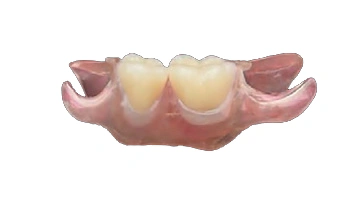
A dental restoration like a bridge replaces one or more missing teeth. It anchors to adjacent natural teeth or implants using crowns on either side. The artificial tooth in the middle is called the pontic.
Bridges continue to be a go-to solution for patients who are not candidates for implants. Moreover, they offer a faster treatment timeline and often a lower overall cost. For many South Scottsdale patients, a well-fabricated bridge is the most practical option available.
Types of Bridges Your Lab Can Fabricate
Understanding your options helps you plan cases more effectively. Here are the most common bridge types Dentek Digital fabricates:
- Traditional bridges: Supported by two crowns on adjacent natural teeth with a pontic in between.
- Cantilever bridges: Used when only one adjacent tooth is available for support.
- Maryland bridges: A more conservative option using bonded metal or ceramic wings instead of full crowns.
- Implant-supported bridges: Anchored to dental implants instead of natural teeth for multi-tooth replacement.
Each type requires specific preparation and material considerations. Because of this, clear communication with your lab before case submission is always worthwhile.
The Digital Workflow Advantage for Bridge Cases
Digital dentistry has transformed how bridge cases are planned, designed, and fabricated. Traditional analog impressions introduced variables that affected fit and esthetics. In contrast, digital scanning and CAD/CAM design remove many of those variables entirely.
At Dentek Digital, we were among the earliest adopters of the digital CAD/CAM workflow in the country. As a result, our team has refined processes that consistently deliver precise, well-fitting restorations. Practices in Tempe, Mesa, Chandler, and across Scottsdale have benefited from this approach.
How CAD/CAM Improves Bridge Accuracy
CAD/CAM stands for Computer-Aided Design and Computer-Aided Manufacturing. First, your team captures a digital scan of the prepared teeth. Next, our technicians design the restoration in 3D software. Then, a milling or printing machine fabricates the final unit with exceptional precision.
This process reduces margin errors and improves occlusal accuracy. Furthermore, it allows for detailed shade matching and anatomical contouring. Patients in South Scottsdale notice the difference in both fit and appearance.
Digital Impressions vs. Traditional Impressions
Many practice owners in Gilbert and Chandler have already transitioned to digital impressions. However, some practices still use traditional PVS or alginate materials. Both can work well when done correctly.
Digital impressions are faster for patients and easier for lab technicians to work with. Additionally, they reduce the chance of distortion during shipping. If you are considering the switch, our team can help guide that transition.
Material Selection for Dental Bridges in South Scottsdale
Choosing the right material is one of the most important decisions in bridge fabrication. The material affects strength, esthetics, longevity, and prep design. Therefore, practice owners should understand the key options available.
Zirconia Bridges
Zirconia is currently the most widely used material for full-arch and multi-unit bridges. It offers excellent strength and a natural appearance. Moreover, high-translucency zirconia options rival the esthetics of traditional porcelain.
Zirconia bridges are well-suited for both anterior and posterior cases. They resist chipping and hold up well under occlusal load. For practices in Mesa and South Scottsdale, zirconia has become a reliable standard.
PFM Bridges
Porcelain-fused-to-metal, or PFM, bridges offer a proven track record. They combine a metal substructure with a porcelain overlay. On the other hand, PFM restorations can show a dark line at the gingival margin over time.
PFM bridges are still a valid choice for specific clinical situations. Additionally, some patients and clinicians prefer them for posterior cases requiring maximum strength. Our lab fabricates PFM restorations with the same precision we apply to all restorations.
All-Ceramic and E.max Options
Lithium disilicate, commonly known by the brand name e.max, is a popular choice for anterior bridges. It delivers exceptional translucency and natural light behavior. However, it is best suited for shorter spans and lower-stress areas.
All-ceramic options work well for patients with metal sensitivities. Furthermore, they offer outstanding esthetic results for visible anterior cases. Our technicians can advise on material selection based on your clinical notes.
Tips for Submitting a Successful Bridge Case
A well-submitted case leads to faster turnaround and better outcomes. Many remakes and delays trace back to incomplete or unclear case submissions. Here are key steps to follow before sending your case to the lab.
- Include detailed shade information: Use a shade guide and note any special characterizations or gradient shading.
- Document the occlusal scheme: Note whether the patient has a deep bite, crossbite, or other occlusal considerations.
- Capture clear margin lines: Digital scans should clearly show the prep margins without tissue interference.
- Provide photos when possible: Pre-op and smile photos help technicians match esthetics to the patient’s natural dentition.
- Communicate urgency clearly: If you need a rush turnaround, let us know upfront so we can plan accordingly.
Following these steps consistently will reduce remakes and improve the overall experience for your team and your patients. Contact Dentek Digital to discuss your next case and learn how our submission process works.
Serving South Scottsdale and the Greater Phoenix Area
South Scottsdale sits at the crossroads of several growing communities. Patients travel from nearby areas like Tempe, Mesa, and central Scottsdale for dental care. Therefore, practices in this area often treat a wide range of case types and complexity levels.
Dentek Digital works with practices across the Greater Phoenix metro, including Gilbert, Chandler, and the Scottsdale corridor. We understand the patient demographics and clinical expectations that come with serving this market. Our goal is to be a lab partner you can rely on every single day.
Why Local Lab Partnership Matters
Working with a lab based in Phoenix offers real advantages. Communication is easier and turnaround times can be faster. Additionally, your team can reach a real technician who knows your cases by name.
National mail-order labs can feel impersonal and difficult to reach. In contrast, Dentek Digital offers direct communication and a collaborative approach. We treat every case as a partnership, not just a transaction.
Frequently Asked Questions About Dental Bridges for Practice Owners
How long does it typically take to receive a bridge from your lab?
Turnaround times vary depending on case complexity and material. However, our standard cases are fabricated efficiently to support your scheduling needs. Rush options may be available — contact us to confirm timing for your specific case.
What file formats do you accept for digital impressions?
We work with files from all major intraoral scanner platforms. Additionally, we accept traditional PVS impressions if your practice has not yet gone fully digital. Our team will guide you through the submission process either way.
Can you help with complex multi-unit bridge cases?
Yes. Our technicians have extensive experience with complex multi-unit and full-arch cases. Moreover, we can work directly with your team to plan the case before fabrication begins. This collaborative approach reduces surprises and improves outcomes.
Do you offer implant-supported bridge options?
Absolutely. Dentek Digital fabricates both cement-retained and screw-retained implant bridges. We also offer digital implant planning services to support more predictable outcomes. Our team is well-versed in a wide range of implant systems.
What makes Dentek Digital different from other dental labs?
We were one of the first labs in the country to fully adopt the digital CAD/CAM workflow. As a result, our team has years of experience that newer digital-only labs simply do not have. We combine advanced technology with skilled craftsmanship to deliver results you and your patients can count on.
Partner With Dentek Digital for Your Bridge Cases
South Scottsdale is a competitive and growing dental market. Your patients expect quality, and your practice depends on a lab that delivers consistently. Dentek Digital provides the precision, communication, and reliability that modern dental practices need.
Whether you are placing a single three-unit bridge or a complex multi-span restoration, our team is ready to support your workflow. Furthermore, our digital-first approach means fewer remakes, better fit, and faster results for your patients.
Take the next step toward a stronger lab partnership. Explore your options and send us a case today to experience the Dentek Digital difference firsthand.