
The dental industry is changing fast. Dental lab automation is no longer a concept for the future — it is happening right now in labs across the country. From milling machines to digital design software, automation is reshaping how dental restorations are made from the ground up.
For dentists and dental practices in Phoenix and the surrounding communities, this shift matters. It affects turnaround times, restoration quality, and the overall patient experience. Understanding these changes helps you make smarter decisions for your practice and your patients.
At Dentek Digital, we have been at the forefront of digital dentistry for years. We were among the earliest adopters of the CAD/CAM workflow in the country. Therefore, we have a front-row seat to how automation is transforming dental manufacturing every single day.
What Is Dental Lab Automation?
Dental lab automation refers to the use of digital technology and machines to handle tasks that technicians once performed entirely by hand. It covers a wide range of processes. These include digital scanning, computer-aided design, milling, and even quality checks.
However, automation does not mean removing skilled people from the process. Instead, it means giving skilled technicians better tools. The result is faster production, greater consistency, and fewer errors across the board.
CAD/CAM Technology at the Core
CAD/CAM dentistry is one of the most important drivers of dental lab automation. CAD stands for computer-aided design, and CAM stands for computer-aided manufacturing. Together, these systems allow labs to design and mill restorations with incredible precision.
First, a digital scan captures the patient’s tooth structure. Next, design software creates a precise virtual model of the restoration. Then, a milling machine carves the restoration from a high-quality block of material. The entire process is guided by data, not guesswork.
Because of this, restorations fit more accurately and require fewer adjustments at the chair. That saves time for dentists and improves comfort for patients.
How Automation Is Reshaping the Production Floor
Traditional dental labs relied heavily on manual labor for every step. Waxing, casting, and layering were all done by hand. While skilled technicians produced excellent work, the process was time-intensive and harder to scale.
Automation has changed that dramatically. Modern labs can now run milling machines around the clock. Furthermore, digital workflows reduce the chance of human error at critical steps. The outcome is a more reliable and repeatable process from case to case.
Faster Turnaround Times
One of the most noticeable benefits of dental lab automation is speed. Digital workflows eliminate several manual steps that once added days to production. As a result, labs can deliver finished restorations much faster than before.
For dental practices in Scottsdale, Tempe, Chandler, and Mesa, faster turnaround times mean more efficient scheduling. Patients spend less time waiting for their final restorations. Additionally, practices can take on more cases without sacrificing quality or patient care.
Consistent Quality Across Every Case
Consistency is one of the greatest challenges in traditional dental manufacturing. Manual processes can vary slightly from technician to technician. Automation addresses this directly by following the same digital specifications every time.
Moreover, digital design software flags potential fit issues before a restoration ever goes to the milling machine. This means problems are caught earlier. Therefore, fewer cases require remakes or significant chairside adjustments.
Types of Restorations That Benefit From Automation
Automation has touched nearly every category of dental restoration. However, some restoration types have seen especially significant improvements thanks to digital manufacturing.
Fixed Restorations
Crowns, bridges, and veneers are among the most common fixed restorations. CAD/CAM milling produces these with extremely tight tolerances. The margins fit cleanly, and the contours match the patient’s natural anatomy closely.
Also, digital workflows allow labs to work with a broader range of materials. Zirconia, lithium disilicate, and high-strength composite blocks can all be milled precisely. This gives dentists and patients more options for every clinical situation.
Dental Implant Components
Dental implant restorations require exceptional precision. The connection between the implant fixture and the restoration must be exact. Automation has made this level of precision achievable consistently, case after case.
In addition, digital implant planning tools help labs and dentists collaborate before fabrication even begins. This reduces surprises and improves outcomes for patients receiving implant-supported restorations. Practices in Gilbert and across the Greater Phoenix area are already seeing these benefits firsthand.
Splints and Nightguards
Even removable appliances like splints and nightguards benefit from automation. Digital scanning captures accurate bite registrations without the discomfort of traditional impressions. Furthermore, milled and printed appliances offer consistent thickness and strength throughout.
Patients tend to find digitally fabricated nightguards more comfortable. Meanwhile, dentists benefit from fewer fit issues and faster delivery from the lab.
The Role of Digital Scanning in Automation
Automation starts the moment a digital scan is taken at the dental chair. Intraoral scanners capture highly accurate 3D models of a patient’s dentition. These models replace traditional physical impressions in a modern digital workflow.
Because of this, there is no impression material to distort, no model to pour, and no shipping delays for physical casts. The digital file travels instantly from the dental practice to the lab. As a result, production can begin almost immediately after the appointment.
For practices in Phoenix, Mesa, and Chandler, digital scanning also means fewer retakes. The scan data is immediately checked for completeness on the screen. Therefore, any missing information is identified and corrected right away, before the patient even leaves the chair.
Explore your options: contact Dentek Digital today to learn how our digital workflow can serve your practice.
Advanced Services Made Possible by Automation
Automation has also opened the door to advanced services that were not previously practical or accessible for most dental practices. These services go beyond standard restorations and offer new possibilities for patient care.
TattooTH Custom Characterization
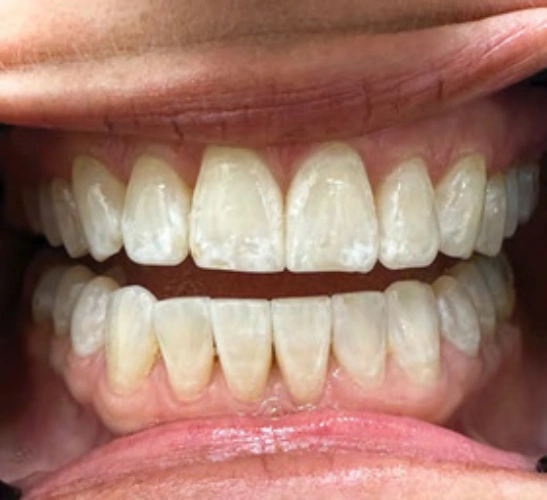
TattooTH is one example of an advanced service that digital technology makes possible. This process applies custom characterization to dental restorations with extraordinary detail and accuracy. It allows labs to create restorations that closely mimic the natural appearance of a patient’s existing teeth.
Moreover, this level of customization was extremely difficult to achieve consistently with traditional techniques. Automation gives skilled technicians the tools to replicate fine details reliably and at scale.
Digital Implant Planning
Digital implant planning allows dental teams to map out implant placement using 3D imaging data before any surgical step takes place. This improves precision, reduces risk, and supports better communication between the dentist, lab, and patient.
Additionally, surgical guides fabricated from digital plans help ensure that implant placement matches the intended restoration design. The result is a more predictable outcome for everyone involved in the case.
What Automation Means for Dentists in Greater Phoenix
For dental practices across the Greater Phoenix area — from Scottsdale to Gilbert — dental lab automation translates into real, practical advantages. Faster turnaround times help you schedule more efficiently. More consistent quality means fewer remakes and less chairside adjustment time.
Furthermore, working with a digital lab allows your team to communicate case details more clearly. Digital files, photos, and notes travel together in one place. Therefore, the lab has everything it needs to fabricate exactly what you and your patient expect.
On the other hand, practices that rely on traditional lab workflows may find it harder to match the speed and consistency that digital labs now deliver. The gap between digital and traditional continues to widen each year.
Frequently Asked Questions About Dental Lab Automation
Does automation reduce the craftsmanship in dental restorations?
No. Automation enhances craftsmanship rather than replacing it. Skilled technicians still guide every step of the design and finishing process. However, automation removes repetitive tasks and reduces the chance of inconsistencies in fit and form.
Can automated labs handle complex or custom cases?
Yes. In fact, digital workflows often handle complex cases more effectively than traditional methods. Design software allows technicians to plan intricate restorations precisely. Additionally, advanced services like digital implant planning are specifically built for complex clinical situations.
How does digital scanning compare to traditional impressions?
Digital scanning is generally faster, more comfortable for patients, and more accurate than traditional impressions. Furthermore, digital files do not degrade over time or during shipping. The data arrives at the lab exactly as it was captured at the dental chair.
What materials can automated labs work with?
Modern automated dental labs work with a wide range of materials. These include zirconia, lithium disilicate, PMMA, composite blocks, titanium, and more. Because of this, dentists have significant flexibility in choosing the best material for each clinical situation.
Is dental lab automation only for large practices?
Not at all. Dental practices of all sizes can benefit from working with a digital lab. Single-location practices in Tempe or Mesa can access the same quality and turnaround times as large group practices. The workflow scales to fit the volume of any practice.
Partner With a Lab That Leads in Digital Dentistry
Dental lab automation is not a trend that is slowing down. It is the foundation of modern dental manufacturing, and it continues to evolve rapidly. Practices that embrace this shift gain real advantages in efficiency, quality, and patient satisfaction.
At Dentek Digital, we combine advanced CAD/CAM technology with the craftsmanship of experienced technicians. We serve dental professionals across Phoenix, Scottsdale, Chandler, Gilbert, and the entire Greater Phoenix area. Our goal is simple: to help you deliver the best possible outcomes for your patients.
Whether you are looking to improve your crown and bridge cases, explore implant restorations, or learn more about our advanced services, our team is ready to help. Send us a case and experience the Dentek Digital difference for yourself.