
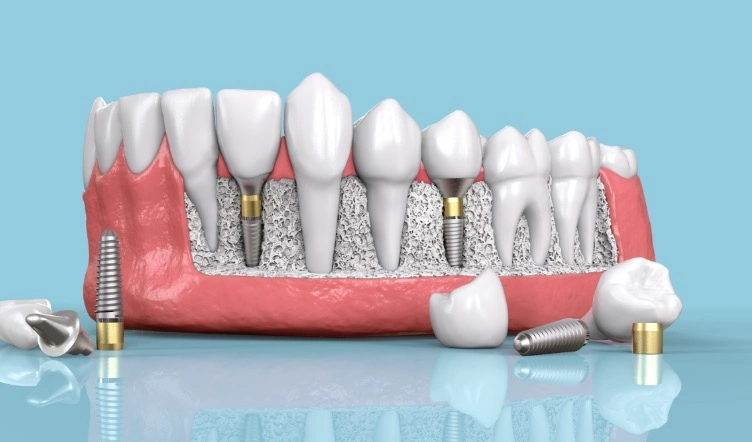
Choosing the right restorative material is one of the most important decisions a dentist makes. Biocompatible materials have transformed the way dental professionals approach restorations. They support patient health, reduce the risk of adverse reactions, and deliver long-lasting results.
Modern dentistry has moved far beyond basic metal alloys and early composites. Today, digital dental labs like Dentek Digital fabricate restorations using carefully selected materials that work with the body, not against it. This shift benefits both patients and the dental practices that serve them.
If you serve patients in Phoenix, Scottsdale, Mesa, or Chandler, understanding how material science has evolved is essential. This post covers what biocompatibility means in practice, which materials lead the field, and how a digital workflow helps you deliver better outcomes every time.
What Does Biocompatibility Actually Mean?
Biocompatibility refers to how well a material interacts with living tissue. A biocompatible material does not trigger an immune response, cause toxicity, or irritate surrounding structures. In restorative dentistry, this applies to crowns, bridges, implant-supported restorations, and more.
Not all materials meet the same standard. However, advances in material science have expanded the available options significantly. Dental professionals now have access to a range of high-performance materials that are both functionally strong and biologically safe.
Why Biocompatibility Matters for Patients
Patients today are more informed than ever. Many ask specifically about the materials used in their restorations. Moreover, some patients have documented sensitivities to metals or other compounds. For these individuals, biocompatible materials are not a preference — they are a necessity.
Restorations that integrate well with gingival tissue also support long-term periodontal health. Because of this, selecting the right material contributes to outcomes that extend well beyond the restoration itself.
Why It Matters for Your Practice
Dentists who prioritize biocompatible restorations tend to see fewer complications. Additionally, patients who experience comfortable, well-fitting restorations are more likely to return and refer others. In competitive markets like Scottsdale and Gilbert, that reputation matters.
Furthermore, dental labs that work within a digital CAD/CAM workflow can mill restorations from high-purity material blocks with greater consistency. This precision directly supports biocompatibility by reducing surface irregularities where bacteria can accumulate.
Leading Biocompatible Materials in Modern Restorative Dentistry
Several materials have emerged as top choices for biocompatible dental restoration. Each has distinct properties that make it suitable for different clinical situations. Understanding these options helps you make confident decisions for your patients.
Zirconia
Zirconia has become one of the most widely used materials in digital dentistry. It is metal-free, highly durable, and well-tolerated by gingival tissue. Additionally, zirconia resists corrosion and does not release ions that can irritate the surrounding oral environment.
Modern zirconia formulations now offer improved translucency. As a result, anterior restorations made from zirconia can closely mimic the natural appearance of enamel. Dentek Digital mills zirconia restorations using advanced CAD/CAM technology to achieve precise fit and consistent quality.
Lithium Disilicate
Lithium disilicate is a glass-ceramic material known for its exceptional esthetics and strong biocompatibility profile. It bonds well to tooth structure and blends naturally with surrounding dentition. Therefore, it is a popular choice for veneers, crowns, and inlays in esthetic zones.
This material is also gentle on opposing dentition. Meanwhile, its physical properties allow technicians to achieve lifelike translucency and surface texture. For practices in Tempe and Chandler focused on cosmetic outcomes, lithium disilicate is often the material of choice.
High-Performance Polymers (PEEK and PMMA)
Polyether ether ketone, commonly known as PEEK, is gaining traction as a metal-free alternative for implant-supported frameworks and long-span bridges. It is lightweight, strong, and highly biocompatible. In addition, it can be milled precisely within a digital workflow.
PMMA, or polymethyl methacrylate, is widely used for interim restorations and diagnostic mock-ups. It allows dentists to evaluate esthetics and function before committing to a final material. Both PEEK and PMMA offer meaningful advantages in specific clinical contexts.
Metal-Free Composite and Hybrid Materials
Composite-based and hybrid ceramic materials round out the biocompatible options available today. These materials are milled from solid blocks and offer a balance of strength, esthetics, and tissue compatibility. They are particularly useful for posterior restorations that require resilience under occlusal load.
On the other hand, these materials may require more careful case selection. Your lab partner plays an important role in recommending the right material for each clinical scenario. Contact Dentek Digital to discuss material options for your next case.
How CAD/CAM Technology Supports Biocompatible Outcomes
Digital fabrication does more than improve accuracy. It also enhances biocompatibility by ensuring that restorations are milled from certified, high-purity material blocks. Traditional methods introduced more variables, including hand-mixed materials and manual shaping that could affect surface quality.
CAD/CAM milling removes much of that variability. Each restoration is designed digitally and cut from a pre-certified block. Therefore, the material composition remains consistent throughout the restoration, from margin to occlusal surface.
The Role of Digital Design in Fit and Tissue Response
A well-fitting restoration reduces marginal gaps where biofilm can form. Digital design software allows technicians to plan margins, emergence profiles, and contact points with high precision. As a result, restorations fit more accurately and are easier for patients to keep clean.
This matters especially at the gingival margin. A poorly fitting crown can create chronic irritation even when made from a biocompatible material. Conversely, a precisely milled restoration made from the same material can support healthy tissue response over time.
Dentek Digital’s Approach in the Phoenix Area
Dentek Digital has been a leader in digital dentistry since the early days of CAD/CAM adoption in the United States. Our lab serves dental practices across Phoenix, Mesa, Scottsdale, Tempe, Chandler, and Gilbert. We combine cutting-edge technology with skilled craftsmanship to produce restorations that perform well and last.
We work closely with referring dentists to select the most appropriate material for each case. Additionally, we offer advanced services such as TattooTH and digital implant planning that expand what is possible for your patients. Every restoration we fabricate reflects our commitment to precision, quality, and patient well-being.
Practical Tips for Choosing Restorative Materials
Selecting the right material requires balancing several factors. Here are key considerations to keep in mind when working through material selection with your lab:
- Patient history: Review any known sensitivities or allergies before selecting a material, especially when metal alloys are involved.
- Location in the arch: Anterior restorations typically prioritize esthetics, while posterior cases demand strength and wear resistance.
- Occlusal forces: Patients with bruxism or heavy occlusion require materials that can handle significant stress without fracturing.
- Esthetic expectations: Discuss the level of translucency and shade matching the patient expects before committing to a material.
- Implant versus tooth-supported: Implant-supported restorations have different mechanical demands. Materials that work well on natural teeth may not always be the best fit over implants.
- Interim versus final: Use interim materials like PMMA to trial esthetics and function before milling the final restoration.
Your lab partner should be an active part of this conversation. Moreover, a lab with deep digital expertise can guide you toward material choices that align with both the clinical situation and the patient’s goals.
Biocompatibility and Implant Restorations
Implant-supported restorations introduce an additional layer of complexity. The restoration must not only be biocompatible with soft tissue but also mechanically compatible with the implant system itself. Furthermore, the material must withstand the unique load distribution characteristics of an implant.
Zirconia is frequently used for implant crowns and bridges because of its proven tissue response and durability. However, the design of the emergence profile is equally important. A well-designed implant restoration supports peri-implant health over the long term.
Dentek Digital offers digital implant planning services that support the full implant workflow, from planning to final restoration. This integrated approach helps practices in the Phoenix area deliver predictable implant outcomes for their patients.
Frequently Asked Questions About Biocompatible Dental Materials
What makes a dental material biocompatible?
A biocompatible material does not cause toxic, inflammatory, or allergic reactions in surrounding tissue. It integrates safely with the oral environment and does not release harmful substances over time. Regulatory testing and clinical evidence support the biocompatibility claims of approved dental materials.
Is zirconia always the best choice for biocompatibility?
Zirconia is one of the most biocompatible options available. However, the best material depends on the specific case. Lithium disilicate, PEEK, and high-performance composites also offer strong biocompatibility profiles in the right clinical situations. Your lab can help you evaluate the options.
Can metal restorations still be biocompatible?
Certain metal alloys are well-tolerated by most patients. However, some individuals develop sensitivities to specific metals, including nickel. For these patients, metal-free alternatives like zirconia or ceramic materials are a better choice. A thorough patient history helps identify those at risk.
How does digital milling affect the biocompatibility of a restoration?
Digital milling produces restorations from pre-certified material blocks with consistent composition. This reduces the risk of surface porosity and contamination that can occur with hand-fabrication methods. As a result, digitally milled restorations often demonstrate better tissue response and longevity.
Does Dentek Digital offer guidance on material selection?
Yes. Our team works closely with referring dentists to recommend materials based on the clinical situation, patient needs, and esthetic goals. We are happy to consult on cases before they are submitted. Reach out to explore your options and find the right solution for your patients.
Partner with Dentek Digital for Better Restorations
Biocompatible materials are central to modern restorative dentistry. They support patient health, reduce complications, and contribute to long-term satisfaction. Choosing the right material — and the right lab — makes a measurable difference in outcomes.
Dentek Digital brings together advanced CAD/CAM technology, material expertise, and skilled craftsmanship to produce restorations that perform at the highest level. We proudly serve dental practices across Phoenix, Scottsdale, Mesa, Tempe, Chandler, Gilbert, and the surrounding communities.
Whether you are planning a single crown, a full-arch implant case, or an esthetic makeover, our team is ready to support you. Send us a case today and experience the Dentek Digital difference for your practice and your patients.