
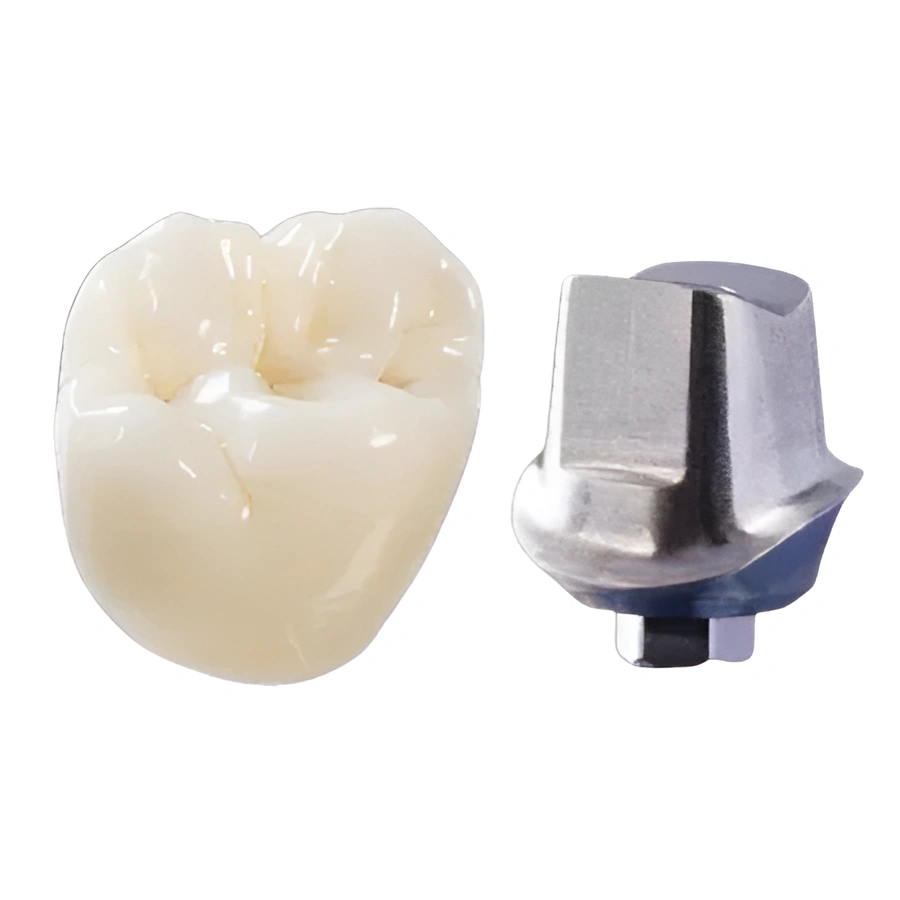
Implant restorations are among the most technical and detail-driven cases a dental practice can send to a lab. Because of this, implant case communication plays a critical role in whether a restoration fits well, looks natural, and satisfies the patient. Small gaps in information can lead to delays, remakes, or unexpected complications.
For dentists across Phoenix, Scottsdale, Chandler, and Gilbert, working with a digital dental lab means having access to streamlined tools that make communication faster and more precise. However, those tools only work when the right information is shared clearly and consistently from the start.
In this guide, we walk through the best practices for communicating implant cases to your dental lab. Whether you are new to digital workflows or a seasoned implant provider, these tips will help you get better results every time.
Why Implant Case Communication Matters More Than You Think
An implant restoration is not a simple crown. It involves multiple components, precise measurements, and careful coordination between the clinician and the lab. Therefore, the information you send with your case shapes every decision the lab technician makes.
Missing details — like implant brand, connection type, or emergence profile — force the lab to guess or follow up for clarification. As a result, turnaround time increases and the risk of a poor outcome rises. Strong communication eliminates that uncertainty entirely.
Furthermore, digital workflows have raised the standard for what labs can achieve. However, those capabilities are only fully realized when the case submission includes accurate and complete digital data.
The Cost of Miscommunication
Remakes are expensive — in time, materials, and patient trust. Most remakes happen not because of technical errors, but because of incomplete or unclear instructions. Additionally, rushed or vague case submissions often result in restorations that require adjustment at delivery.
On the other hand, a well-documented implant case gives the lab technician everything needed to fabricate the restoration with precision and confidence. The result is a smoother delivery appointment for you and a better experience for your patient.
Essential Information to Include With Every Implant Case
Strong implant case communication starts with a complete and accurate case submission form. Below are the core elements every implant case should include before it leaves your practice.
Implant System Details
Always identify the implant brand, implant system, and connection type. For example, a Nobel Biocare implant with an internal hex connection requires different components than a Straumann Bone Level implant. Therefore, this information is non-negotiable.
Also include the platform size and whether you are using a stock abutment, custom abutment, or screw-retained restoration. In addition, note whether you are restoring at implant level or abutment level. These details define the entire fabrication pathway for the lab.
Scan Body and Digital Scan Data
If you are using a digital workflow, include the scan body used during your intraoral scan. Different scan bodies correspond to different libraries in the lab’s CAD/CAM dentistry software. Using the correct scan body ensures the digital design aligns perfectly with the implant position in the mouth.
Send clean, complete scan files. Make sure the scan captures the full arch, the opposing arch, and the bite registration. Also confirm that the scan body is fully visible and seated correctly in the digital file before submitting.
Shade, Material, and Aesthetic Goals
Provide a clear shade selection using a recognized shade guide system. Additionally, include any photographs showing the surrounding dentition, especially when the implant restoration is in an aesthetic zone. Photos help the lab match contour, translucency, and surface texture to neighboring teeth.
Specify the material you are requesting — such as full-contour zirconia, PFM, or hybrid ceramic. Moreover, note any specific strength or translucency requirements based on the patient’s occlusal habits or aesthetic expectations.
How to Structure Your Case Instructions Clearly
Clear written instructions reduce back-and-forth communication and help the lab move forward without delays. However, many practices still rely on vague or incomplete written notes. Here is how to do it better.
Use a Standardized Prescription Form
A standardized form keeps your team consistent and ensures nothing is overlooked. First, fill out the patient information, tooth number, and restoration type. Next, complete the implant system section with all the details covered above. Then, add your material preference, shade, and any special instructions.
Using a consistent format also makes it easier for your lab to process cases quickly. Because of this, many digital labs — including those serving practices in Mesa and Tempe — offer downloadable prescription forms designed specifically for implant cases.
Add Clinical Photos and Radiographs
Photos and X-rays provide context that forms alone cannot capture. Include a periapical radiograph showing the implant position and surrounding bone. Additionally, provide intraoral photos showing the implant site, adjacent teeth, and gingival contours.
For anterior cases especially, a full-face smile photo helps the lab understand proportions and aesthetic expectations. Furthermore, photos of the patient’s existing dentition guide shade matching and surface characterization decisions.
Communicate Occlusal and Functional Considerations
Note whether the patient is a bruxer or has a history of heavy occlusal forces. This information directly affects material selection and design choices. For example, a patient with parafunctional habits may require a stronger, more conservative restoration design.
Also describe the occlusal scheme — whether you prefer light contact in centric occlusion or a specific excursive guidance pattern. The more precise your instructions, the more precisely the lab can design to your specifications.
Working With Your Lab as a Partner
The best implant outcomes come from a true partnership between the clinician and the lab. Therefore, treat your lab relationship as a two-way collaboration, not a one-way order submission process.
Ask for Pre-Op Consultation When Needed
For complex cases — such as full-arch implant reconstructions or cases requiring ridge lap designs — reach out before you finalize your treatment plan. Your lab technician can provide valuable input on restoration design, material options, and workflow logistics.
Practices in Scottsdale and Gilbert that work closely with their lab partners often report fewer surprises at delivery. Moreover, early consultation gives both parties time to plan for any unique clinical challenges the case may present.
Provide Feedback After Delivery
If a restoration needed adjustment at delivery, let your lab know. Specific feedback — such as contact was too heavy on the mesial or shade was slightly too high in value — helps the lab calibrate future work to your preferences. As a result, each case gets a little closer to perfect.
Additionally, share positive feedback when a case turns out exactly as planned. This reinforces what is working and strengthens the working relationship over time.
The Dentek Digital team welcomes open communication throughout the case process — from initial submission to final delivery.
Digital Tools That Improve Implant Case Communication
Digital dentistry has introduced powerful tools that make implant case communication faster, more accurate, and more efficient. However, these tools are most effective when used correctly and consistently.
Intraoral Scanners
Intraoral scanners eliminate the variability of traditional impressions. They capture precise digital models that labs can immediately import into design software. Furthermore, most modern scanners integrate directly with major lab portals, allowing for seamless case submission.
For implant cases specifically, using the correct scan body for your implant system is essential. Always verify scan body compatibility before scanning and before submitting the case file.
Lab Portals and Digital Case Management
Many labs now use digital portals where you can submit cases, upload files, track status, and communicate directly with technicians. These platforms reduce phone tag and create a clear record of every instruction provided.
If your lab offers a digital portal, use it consistently for all implant cases. In addition, take advantage of any case note or messaging features to flag special requirements or ask questions before the case goes into production.
Frequently Asked Questions About Implant Case Communication
What is the most important piece of information to include with an implant case?
The implant system, brand, and connection type are the most critical details. Without these, the lab cannot select the correct components or design the restoration accurately. Always include this information first.
What happens if I use the wrong scan body for my implant system?
Using an incorrect scan body can result in a digital design that does not align with the actual implant position. As a result, the restoration may not fit at delivery. Always verify scan body compatibility before submitting your digital case files.
How much clinical photography should I send with an aesthetic implant case?
For aesthetic zone cases, include at minimum a retracted intraoral photo, a close-up of the adjacent teeth, and a natural smile photo. Additionally, a shade tab photo against the adjacent teeth is highly recommended for accurate shade matching.
Should I contact my lab before starting a complex implant case?
Yes. For full-arch reconstructions, staged cases, or any situation with unusual anatomy or functional demands, a pre-case consultation is strongly recommended. Your lab can provide guidance that saves time and improves the outcome.
How can I reduce remake rates on my implant cases?
Complete case documentation is the single most effective way to reduce remakes. Include implant system details, clean digital scans, photos, shade selections, and clear written instructions. Moreover, providing consistent feedback after delivery helps your lab refine its approach to your cases over time.
Partner With Dentek Digital for Precise Implant Restorations
Great implant outcomes start with great communication. By following these best practices, you give your lab the information needed to fabricate restorations that fit, function, and look exactly as planned. Furthermore, you reduce delays, minimize remakes, and build a stronger working relationship with your lab team.
At Dentek Digital, we work alongside dentists and dental practices across Phoenix, Mesa, Tempe, Chandler, and the Greater Phoenix area to deliver precise, high-quality implant restorations through advanced digital workflows. We are proud to be one of the earliest and most experienced digital dental labs in the country.
Ready to streamline your next implant case? Send us a case today and experience the Dentek Digital difference — where skilled craftsmanship meets cutting-edge CAD/CAM technology.