Every great dental restoration starts with a conversation. When dentists and dental labs share a clear, detailed picture of what a patient expects, the outcome improves dramatically. Esthetic communication is the process of capturing, conveying, and confirming those expectations before a single restoration is fabricated.
Unfortunately, miscommunication is one of the most common reasons a case needs to be redone. Vague instructions, missing photos, or assumptions about shade and shape can derail even the most technically sound workflow. Therefore, building strong communication habits protects everyone — the dentist, the lab, and most importantly, the patient.
At Dentek Digital, we work with dental practices across Phoenix, Mesa, Scottsdale, and Chandler every day. We have seen firsthand how a well-documented case produces a restoration that fits, functions, and looks exactly right from the start.
Why Esthetic Communication Matters in Modern Dentistry
Patients today arrive with high expectations. They search for smile transformations online, save reference photos, and know exactly what they want before they sit in the chair. As a result, dental professionals must do more than take an impression and send it to the lab.
The lab team needs context. They need to understand the patient’s personality, lifestyle, skin tone, and personal preferences. Without that information, even the most skilled technician is working in the dark.
Furthermore, dental restoration technology has advanced rapidly. Digital workflows, high-quality ceramics, and precise milling systems give labs the tools to create remarkably lifelike results. However, technology alone cannot replace the human details that make a restoration truly personal.
The Cost of Poor Communication
Remakes are expensive. They consume chair time, lab time, and patient goodwill. Additionally, they can damage the trust a practice has worked hard to build.
Poor communication often looks like this: a shade tab number written on a slip with no photo, no bite information, and no description of the patient’s adjacent teeth. The lab does its best, but the result misses the mark. Therefore, investing a few extra minutes in documentation up front saves significant time and cost later.
What Great Esthetic Communication Looks Like
Strong cases arrive with clear photos taken in natural light, detailed shade mapping, and notes about the patient’s preferences. Moreover, they include bite records, opposing arch information, and a brief description of the esthetic goals in plain language.
Think of it like a creative brief. The more useful information you provide, the better the final product will reflect what the patient actually wants. Contact our team and we can walk you through exactly what to include in your next submission.
Key Elements of a Clear Esthetic Case Submission
Effective esthetic communication is not complicated. However, it does require consistency and intention. Below are the core elements every esthetic case should include when it arrives at the lab.
High-Quality Photography
Photos are the single most important tool in esthetic communication. They show the lab what the patient’s smile actually looks like — not just the prep, but the whole picture.
Use a retractor and take photos from the front, sides, and above when possible. Additionally, include a photo of the patient smiling naturally. This helps the technician understand how the restoration will look in real life, not just on a model.
Natural light or a standard photographic flash produces the most accurate color representation. Overhead operatory lights can wash out shade details and make accurate color matching harder.
Detailed Shade Information
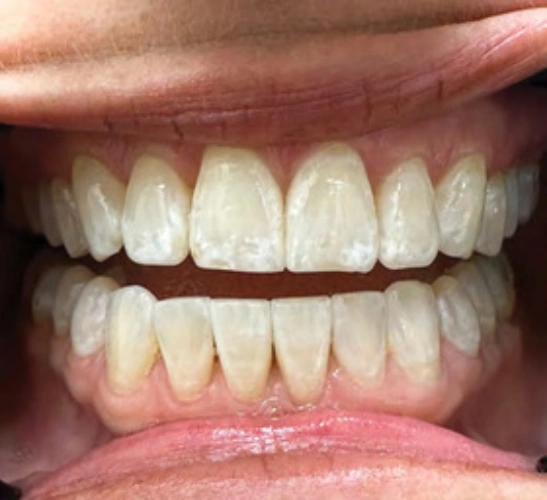
Shade selection goes beyond picking a tab from the Vita Classic guide. In fact, most teeth have multiple shades within a single tooth — lighter at the incisal edge, more saturated near the cervical area, and sometimes translucent in between.
Map the shade across the tooth and note any characterization the patient’s natural dentition shows. For example, describe internal staining, white spots, or visible texture in adjacent teeth. This information helps the lab match the restoration to what already exists.
Written Notes About Patient Preferences
Some patients want a natural look that blends seamlessly. Others want a brighter, more uniform smile. Meanwhile, some patients have very specific ideas about tooth shape — more rounded versus more squared, for instance.
Write these preferences down and include them with the case. A single sentence can make the difference between a restoration that delights the patient and one that requires adjustment. Moreover, noting what the patient does NOT want is just as valuable as noting what they do.
Digital Tools That Strengthen Esthetic Communication
The digital workflow has transformed how dentists and labs collaborate. Tools that were once unavailable to smaller practices are now widely accessible across the Greater Phoenix area, from Gilbert offices to Tempe clinics.
Intraoral Scanning
Intraoral scanners capture highly accurate digital impressions of the oral environment. They eliminate distortion from traditional impression materials and allow the lab to work from precise digital models. Additionally, scanned cases arrive ready for the CAD/CAM workflow without any conversion step.
At Dentek Digital, we accept scans from most major scanner platforms. Furthermore, digital scans often arrive faster than traditional impressions, which can accelerate turnaround time for your patients.
Digital Smile Design
Digital Smile Design (DSD) is a planning tool that lets you map proposed restorations over photos of the patient’s actual face. It gives patients a visual preview before treatment begins. As a result, patients can give meaningful feedback before any tooth is prepared.
This approach reduces surprises and helps align expectations between the patient, the dentist, and the lab from the very beginning. Therefore, more cases come back approved on the first try.
Collaborative Case Notes and Digital Submissions
Many practices now use lab portals or digital submission systems to send cases. These platforms allow for photo uploads, notes, and shade documentation all in one place. Moreover, they create a clear record of what was communicated and when.
This documentation protects everyone. In addition, it makes follow-up conversations easier if a question arises during fabrication.
How Dentek Digital Supports Esthetic Communication
Dentek Digital was one of the earliest adopters of the digital CAD/CAM workflow in the country. We understand that the lab’s role does not begin when the case arrives — it begins when the conversation starts.
We welcome pre-case consultations. If you are working on a complex esthetic case and want to talk through the details before you prep, reach out to us. Our technicians can offer guidance on photography, shade communication, and material selection before you submit anything.
Our team serves dental practices across the Greater Phoenix area, including offices in Scottsdale, Mesa, Chandler, and Gilbert. We fabricate restorations using advanced CAD/CAM technology and skilled craftsmanship, and we are committed to producing results that match your vision and your patient’s expectations.
Practical Tips for Dentists to Improve Esthetic Communication
Strong communication habits do not require expensive equipment. However, they do require consistency. Here are straightforward steps any practice can implement right away.
- Take photos for every esthetic case — no exceptions. Even a simple veneer case benefits from a good photo.
- Use a shade mapping form to document incisal, middle, and cervical shade values separately.
- Write one paragraph of patient notes describing their personality, preferences, and any concerns they expressed.
- Include a photo of the opposing arch so the lab understands the occlusal environment.
- Call the lab before submitting a complex case — a quick conversation can prevent a remake.
- Ask for a lab confirmation that your case has been received and reviewed before fabrication begins.
These habits are simple. Moreover, they build trust between your practice and your lab partner over time.
Frequently Asked Questions About Esthetic Communication
What photos should I send with an esthetic case?
Send a full-face smile photo, a retracted frontal view, and close-up shots of the prep and adjacent teeth. Natural light or a standard photographic flash works best. Additionally, include a shade tab held next to the teeth for reference.
How detailed do my shade notes need to be?
As detailed as possible. Note the primary shade, any secondary shading at the cervical or incisal areas, and any visible characterization in adjacent teeth. Furthermore, note any patient preferences around brightness or translucency.
Can I call Dentek Digital before I submit a case?
Absolutely. We encourage pre-case consultations for complex esthetic work. Our team is happy to discuss material options, shade strategies, and photography tips before you submit. This collaboration helps us deliver a better result the first time.
What if my patient’s expectations seem unrealistic?
Document the conversation carefully and communicate those concerns to the lab. We can help you understand what is achievable with current materials and technology. On the other hand, a digital mockup or trial smile can help patients visualize realistic outcomes before treatment begins.
How does a digital workflow improve esthetic communication?
Digital submissions allow you to attach photos, notes, and shade documentation in one organized package. As a result, the lab receives complete information every time. Additionally, intraoral scans eliminate impression distortion, giving the lab more accurate models to work from.
Partner With a Lab That Listens
Strong esthetic communication is a two-way street. It requires your practice to document and share clearly, and it requires your lab to listen, ask questions, and confirm before fabricating. At Dentek Digital, we take both sides of that responsibility seriously.
We combine advanced CAD/CAM technology with skilled technicians who understand the nuance of esthetic dentistry. Furthermore, we are committed to being a true partner — not just a production facility — for every practice we serve in the Greater Phoenix area.
If you are ready to experience the difference that clear communication and a dedicated digital lab can make, contact Dentek Digital today and let’s start the conversation about your next case.