
Every great dental restoration starts well before the milling machine runs. It starts with restorative design. The decisions made at the design stage shape how a restoration fits, functions, and holds up over time. When those decisions are made with care, the results last.
At Dentek Digital, we work with dentists and dental practices across Greater Phoenix — from Scottsdale to Chandler — to build restorations that are engineered for longevity. Our digital workflow puts precision at the center of every case. And that precision begins with design.
In this post, we’ll walk through the principles behind long-term restorative success. We’ll cover what makes a design work, how CAD/CAM dentistry raises the standard, and what dental practices can do to set their cases up for lasting outcomes.
Why Restorative Design Matters More Than Ever
Modern dentistry has access to incredible materials and tools. However, materials alone don’t guarantee success. Design does. A restoration with poor margins, wrong occlusion, or insufficient thickness will fail — no matter what it’s made from.
Because of this, experienced dental labs treat design as a clinical discipline. Every contour, every contact point, and every emergence profile carries consequence. These aren’t aesthetic choices alone. They are functional decisions.
The Shift to Digital Design
Traditional wax-up workflows relied entirely on the technician’s hands and eye. Digital design tools have changed that. Today, CAD software allows our technicians to visualize and measure every aspect of a restoration in three dimensions.
As a result, margins are more precise. Occlusal contacts can be evaluated before the restoration is ever milled. Adjustments that once took hours can now happen in minutes. This is a meaningful shift for both the lab and the dental practice.
Furthermore, digital design creates a permanent record. Each case is archived. If questions arise later, the original design data is always available.
Core Principles of Long-Term Restorative Design
Several key principles guide strong restorative design. These apply whether we’re designing a single crown in Mesa or a full-arch case for a practice in Gilbert. Good design follows consistent rules.
Accurate Margin Placement
The margin is where the restoration meets the tooth. It is also where most restorations ultimately fail. Therefore, margin placement must be precise and clearly visible in the scan data.
When we receive a case, our technicians carefully evaluate the margin line before designing anything else. If the scan data is unclear, we reach out to the referring practice. A clean margin call protects the patient and the restoration.
Occlusal Harmony
Occlusion refers to how the upper and lower teeth meet when biting. A restoration that disrupts this balance creates problems. For example, it can cause discomfort, accelerated wear, or even failure of the restoration itself.
Our CAD design process includes careful occlusal analysis. We evaluate the bite digitally before any physical restoration is produced. This step is especially important in full-coverage restorations and multi-unit cases.
Proper Emergence Profile
The emergence profile describes how a restoration rises from the gum tissue. A well-designed emergence profile supports healthy tissue and allows patients to clean the restoration effectively.
In addition, a good emergence profile contributes to the natural appearance of the final restoration. This matters for both anterior and posterior cases. Patients notice when something doesn’t look or feel right.
Material Selection
Different clinical situations call for different materials. Zirconia, lithium disilicate, and composite resin each have specific strengths. Additionally, each has limitations that must be respected in the design phase.
For instance, ultra-translucent zirconia requires adequate thickness to avoid fracture. If the prep doesn’t allow for that thickness, the design must account for it — or the material choice must change. This is a conversation we actively have with dental practices in Tempe and across the Phoenix metro.
How the Digital Workflow Supports Better Design
Dentek Digital was one of the earliest digital dental labs in the country. Our investment in CAD/CAM technology was intentional. We believed — and still believe — that digital workflows produce more consistent, higher-quality restorations.
Today, our process begins with a digital scan. Next, our technicians import that scan into advanced CAD software. Then, the design work begins. Every step is measurable and repeatable.
Scan Quality Affects Design Quality
The best design tools in the world can’t compensate for a poor scan. Because of this, we encourage our partner practices to pay close attention to scan technique. Good tissue management, proper isolation, and thorough scan coverage all contribute to better design outcomes.
When scans come in with clear margins and well-captured anatomy, our technicians can work efficiently and confidently. The result is a restoration that fits well from the first seating.
Communication Between Lab and Practice
Strong restorative outcomes depend on strong communication. We work closely with practices across Scottsdale, Chandler, Mesa, and the broader Phoenix area. When there’s a question about a case, we don’t guess. We communicate.
Moreover, many of our partner practices send detailed case notes and shade photos. This information directly influences how we design each restoration. The more context we have, the better the outcome.
Want to start a conversation about your next case? Contact Dentek Digital and our team will be ready to help.
Designing for Different Restoration Types
Not all restorations are designed the same way. Each type has its own functional requirements. Understanding these differences is part of what sets experienced lab technicians apart.
Single-Unit Crowns
A single crown seems simple on the surface. However, it still requires careful attention to margins, contacts, and occlusion. Additionally, the crown must blend naturally with adjacent teeth in terms of contour and shade.
Our digital design process handles single units efficiently. Most cases move through our CAD workflow quickly without sacrificing quality.
Multi-Unit Bridges
Bridges require careful connector design. The connectors — the sections linking units — must be strong enough to handle bite forces over time. Furthermore, they must allow the patient to maintain hygiene beneath the pontic.
Our technicians design connectors with both strength and cleanability in mind. This balance is essential for long-term success.
Implant-Supported Restorations
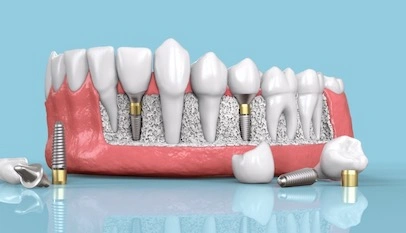
Implant restorations demand precise screw access, proper emergence from the tissue, and careful occlusal loading. Because of this, implant design is one of the most technically demanding areas of our lab.
Dentek Digital offers advanced implant solutions, including digital implant planning services. We help practices in Gilbert and beyond approach implant cases with confidence and precision.
Full-Arch and Complex Cases
Full-arch reconstructions require a comprehensive restorative design strategy. Every tooth position affects every other. Therefore, these cases benefit most from the digital workflow’s ability to simulate function before fabrication begins.
We approach full-arch cases collaboratively. Our team works with the dental practice to ensure the design aligns with the treatment plan and the patient’s functional needs.
Tips for Setting Up Design-Ready Cases
Dental practices can take several steps to make cases more design-ready. These tips apply to any practice, whether you’re in downtown Phoenix or a growing community like Queen Creek.
- Take a complete scan: Cover all surfaces, including the occlusal, buccal, and lingual aspects of the preparation.
- Manage tissue carefully: Clear margins are essential for accurate design. Good tissue retraction makes a real difference.
- Include the opposing arch: Our software needs the opposing arch to design proper occlusal contacts.
- Send a bite scan: A centric occlusion bite scan helps us position the arches correctly in the digital articulator.
- Add shade and photo references: For aesthetic cases, photos and shade tabs guide our design and characterization decisions.
- Write clear case notes: Tell us the patient’s functional concerns, any bite issues, or special requests. We read every note.
These steps don’t add significant time to your workflow. However, they meaningfully improve the final result.
Frequently Asked Questions About Restorative Design
What is restorative design, and why does it matter?
Restorative design is the process of planning and creating the shape, fit, and function of a dental restoration before it is fabricated. It matters because a well-designed restoration lasts longer, fits better, and supports healthier outcomes for the patient.
How does CAD/CAM technology improve the design process?
CAD/CAM technology allows technicians to design restorations digitally in three dimensions. This improves accuracy, reduces adjustment time at seating, and creates a digital record of every case. The result is more consistent and predictable outcomes.
What can a dental practice do to improve design outcomes?
Practices can send high-quality scans, manage tissue properly, include opposing arch data, and write detailed case notes. These steps give the lab the information needed to create the best possible design for each patient.
How does Dentek Digital handle complex or full-arch cases?
We approach complex cases collaboratively. Our team reviews the case data carefully and communicates with the referring practice before and during the design process. We use advanced CAD tools to simulate function and evaluate the design before fabrication begins.
Does digital design work for implant-supported restorations?
Yes. Digital design is particularly well-suited for implant restorations. It allows us to plan screw access channels, emergence profiles, and occlusal loading with greater precision than traditional methods. We also offer digital implant planning services for added clinical support.
Partner With a Lab That Takes Design Seriously
Long-term restorative success doesn’t happen by accident. It is the result of intentional design, skilled craftsmanship, and a commitment to precision at every stage. At Dentek Digital, design is where every case begins — and where quality is either built in or left out.
We serve dental practices across the Greater Phoenix area, including Mesa, Tempe, Scottsdale, Chandler, and Gilbert. Whether you’re seating a single crown or planning a full-arch reconstruction, our team brings the same level of care and expertise to every case.
Explore your options and send us your next case. Our digital lab is ready to support your practice with restorations designed for the long term. Contact Dentek Digital today to get started.