
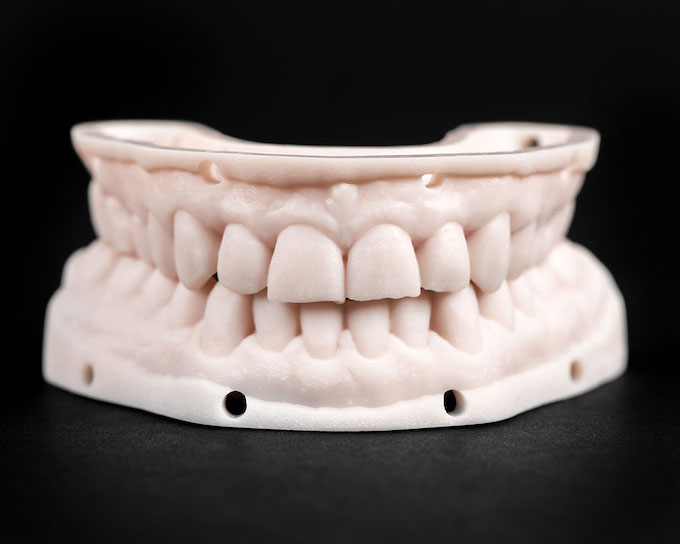
Choosing the right design strategy is one of the most important decisions in fabricating a dental restoration. Full contour design and cutback design each serve a distinct purpose in modern digital dentistry. Understanding the difference helps dental practices in Phoenix and across the Greater Arizona area deliver better outcomes for their patients.
Both approaches are used regularly in CAD/CAM dentistry workflows. However, they produce very different results in terms of esthetics, strength, and clinical application. Knowing when to use each one is a skill that separates good restorations from exceptional ones.
At Dentek Digital, our CAD design team works with dentists from Mesa to Scottsdale every day. We help practices choose the right design approach for every case. This guide breaks down both strategies clearly so you can make informed decisions with confidence.
What Is Full Contour Design?
Full contour design means the restoration is milled or printed to its final shape and size from a single material block. No additional layering of porcelain or veneering material is added afterward. The result is a monolithic restoration — one solid, complete unit.
This approach is widely used for posterior restorations where strength is the top priority. Because there is no veneering layer, full contour restorations resist chipping and fracture very well. They are also faster to fabricate, which benefits both the lab and the dental practice.
Common Materials for Full Contour Restorations
Zirconia is the most popular material for full contour design today. Modern high-translucency zirconia delivers excellent esthetics alongside outstanding strength. Additionally, lithium disilicate is often used for full contour anterior and premolar cases where esthetics matter more.
Both materials are milled with precision using CAD/CAM technology. As a result, fit and accuracy are consistently high. Dental practices in Chandler and Gilbert frequently request full contour zirconia crowns for their posterior patients because of this reliability.
When Full Contour Design Works Best
Full contour design excels in several clinical situations. First, it is ideal for patients who grind or clench their teeth. Next, it suits cases where occlusal clearance is limited. Finally, it works well when quick turnaround time is a priority for the practice.
- Posterior crowns and bridges under heavy occlusal load
- Implant-supported crowns requiring maximum durability
- Cases with limited preparation space
- Patients with parafunctional habits such as bruxism
Furthermore, full contour design simplifies the lab process. There are fewer steps and fewer opportunities for error. This means more consistent results across a high volume of cases.
What Is Cutback Design?
Cutback design takes a different approach. The technician first mills a coping or substructure, then removes — or “cuts back” — material from the facial or incisal surface. Porcelain is then hand-layered over that reduced framework to achieve lifelike esthetics.
This method allows the ceramist to mimic the natural appearance of tooth structure more closely. However, it requires significantly more time, skill, and artistry. Because of this, cutback cases are typically reserved for esthetically demanding situations.
Where Cutback Design Shines
Cutback design is most valuable in the anterior zone. Patients in Tempe and Scottsdale who invest in smile makeovers often expect highly individualized results. Therefore, cutback restorations are a natural fit for cases where natural translucency, characterization, and layered depth are essential.
The layered porcelain in a cutback restoration allows the ceramist to create subtle color gradients. Moreover, surface texture and light reflectance can be customized in ways that monolithic materials cannot fully replicate. For the right patient and case, the esthetic outcome is truly impressive.
Tradeoffs to Consider with Cutback Design
Cutback restorations do have limitations. The layered porcelain is more susceptible to chipping compared to full contour materials. Additionally, fabrication time is longer, and the process requires a highly skilled ceramist. These factors affect both cost and turnaround expectations.
Occlusal contacts on layered porcelain also require careful management. Therefore, cutback design is generally not recommended for patients with heavy bruxism or limited clearance. Proper case selection is critical to long-term success.
Full Contour Design vs Cutback: A Side-by-Side View
Understanding the key differences helps dentists and their teams communicate clearly with the lab. Here is a straightforward comparison of both approaches across the most important clinical factors.
- Strength: Full contour design offers superior fracture resistance. Cutback layered restorations carry a higher chipping risk.
- Esthetics: Cutback design allows for greater esthetic customization. Full contour materials have improved significantly but still have limits in layered depth.
- Turnaround time: Full contour cases are faster to fabricate. Cutback cases require additional ceramist time.
- Case selection: Full contour works best posteriorly or for high-wear patients. Cutback is preferred for anterior esthetic cases.
- Maintenance: Full contour restorations are generally easier to maintain long-term. Layered porcelain may require repair or replacement over time.
In addition, the type of material used within each approach also influences the final outcome. Our CAD design team at Dentek Digital evaluates every case individually to recommend the best path forward.
How CAD/CAM Technology Supports Both Approaches
Digital technology has transformed how both design strategies are executed. CAD software allows technicians to plan the full contour anatomy with incredible precision before milling even begins. Meanwhile, cutback cases benefit from digitally designed copings that provide a consistent, accurate substructure for hand layering.
At Dentek Digital, we were among the earliest adopters of the digital CAD/CAM workflow in the country. Because of this, our team has refined these design processes over many years. Practices across Phoenix, Mesa, and Chandler benefit from that accumulated expertise with every case they send.
Digital Design Tools That Make a Difference
Modern CAD software includes tools specifically built for both full contour and cutback workflows. For example, technicians can use virtual articulation to verify occlusal contacts before milling. Additionally, digital wax-ups allow dentists to preview the restoration before fabrication begins.
These tools reduce remakes and improve communication between the lab and the practice. Furthermore, they allow our team to flag potential issues early. This saves time for everyone involved.
Choosing the Right Approach for Your Patients
The best design approach always starts with the patient’s clinical needs. Therefore, a thorough case assessment is essential before choosing between full contour and cutback strategies. Several factors guide that decision.
First, consider the location of the tooth in the arch. Posterior teeth generally favor full contour design. On the other hand, anterior teeth with high esthetic demands often benefit from a cutback approach. Next, evaluate the patient’s bite, habits, and occlusal load. Finally, discuss the patient’s esthetic expectations and budget with them directly.
Tips for Communicating with Your Lab
Clear communication with your dental lab is one of the most effective ways to improve restoration outcomes. Here are a few practical tips for practices in the Greater Phoenix area.
- Specify the design approach clearly on your lab prescription — full contour or cutback.
- Include high-quality photos and shades for any cutback or esthetic case.
- Share bite records and opposing model data whenever possible.
- Note any parafunctional habits such as grinding or clenching.
- Flag tight occlusal clearance cases so the lab can plan accordingly.
Moreover, do not hesitate to call or message the lab before submitting a complex case. Our team welcomes that kind of collaboration. It leads to better restorations for your patients.
Frequently Asked Questions About Full Contour and Cutback Design
Is full contour design always the stronger option?
In most cases, yes. Full contour monolithic restorations eliminate the layered porcelain that is most susceptible to chipping. However, material selection also plays a major role. High-strength zirconia is exceptionally durable in a full contour design.
Can full contour zirconia look natural enough for front teeth?
Modern high-translucency zirconia has improved dramatically. For many anterior cases, it can achieve very good esthetic results. However, for highly demanding esthetic cases, a cutback approach with hand-layered porcelain may still be preferred.
How do I know which approach to request from my lab?
Consider the tooth location, the patient’s habits, and the esthetic expectations. When in doubt, contact your lab and discuss the case before submitting it. Our team at Dentek Digital is always available to help guide that decision.
Does cutback design always take longer to fabricate?
Yes, generally. The additional step of hand-layering and firing porcelain adds meaningful time to the process. Therefore, practices should plan case timelines accordingly when requesting cutback restorations.
Is one approach more expensive than the other?
Cutback restorations typically involve more lab time and skilled ceramist work. As a result, they may carry a higher fee than full contour cases. Full contour restorations offer a strong balance of quality, efficiency, and value for most everyday cases.
Partner with a Digital Lab That Knows the Difference
Both full contour design and cutback design have an important place in modern restorative dentistry. The key is knowing which approach fits each patient and each clinical situation. Furthermore, working with a digital lab that understands both strategies makes that process much easier.
Dentek Digital serves dental practices throughout Phoenix, Scottsdale, Mesa, Tempe, Chandler, and Gilbert. Our experienced CAD design team combines digital precision with skilled craftsmanship on every case. Whether you need a durable full contour posterior crown or a highly esthetic layered anterior restoration, we are ready to help.
Ready to discuss your next case? Contact Dentek Digital today and let our team help you choose the right design approach for your patients.