Every dental practice wants the same thing: restorations that fit right the first time. However, even small lab errors can lead to remakes, delays, and frustrated patients. Error prevention is at the heart of what a great digital dental lab does every single day.
At Dentek Digital, we built our quality control process around catching problems early. Therefore, issues are resolved long before a case ever reaches your chair. Our team reviews every step of the workflow, from digital impressions to final polish.
If you are a dentist or practice in Phoenix, Mesa, Tempe, Chandler, or Gilbert, this post is for you. We will walk you through how a rigorous lab quality process protects your patients and saves you time.
Why Error Prevention Matters in the Dental Lab
A missed detail at the lab level creates a chain reaction in your practice. First, you lose chair time. Then, your patient has to return for a second appointment. Additionally, remakes cost money and strain the trust between doctor and lab.
Digital workflows have dramatically reduced many traditional sources of error. However, no system is completely automatic. Human review and smart checkpoints are still essential. Because of this, leading labs invest heavily in structured quality control protocols.
The Cost of a Missed Error
A restoration that does not fit means a remake. Remakes take time and materials. Moreover, they can delay treatment for patients who are already anxious about dental work.
For practices in fast-growing areas like Gilbert and Chandler, efficiency matters even more. Your schedule is tight. A returned case disrupts your entire day. Therefore, a lab that catches errors before shipping is genuinely valuable to your bottom line.
How Digital Technology Reduces Risk
CAD/CAM dentistry has transformed how dental restorations are designed and fabricated. Digital impressions eliminate distortion from traditional materials. CAD software allows technicians to visualize margins, contacts, and occlusion before anything is ever milled.
Furthermore, digital files can be reviewed, flagged, and corrected instantly. This means problems are caught at the design stage, not after milling. As a result, the number of avoidable errors drops significantly compared to analog workflows.
Key Checkpoints in Our Quality Control Process
At Dentek Digital, quality control is not a single step. Instead, it is a series of checkpoints built into every stage of production. Each checkpoint is designed to catch a specific category of error before it moves forward.
Step 1: Reviewing the Incoming Case
Every case starts with a thorough intake review. Our team checks the prescription for completeness. We also verify that the digital scan or impression is clean and accurate.
If something is unclear or missing, we contact the practice immediately. We do not guess. Additionally, we flag any potential issues with the preparation or bite registration before work begins. This step alone prevents a large portion of downstream problems.
Step 2: Design Review Before Milling
Once a restoration is designed in our CAD software, a technician reviews it before it goes to the mill. They check margin fit, contact points, and occlusal anatomy. Moreover, they compare the design against the prescription to make sure everything aligns with the doctor’s intent.
This review catches design errors early. It is much easier to adjust a digital file than to correct a finished restoration. Therefore, this step is one of the most important in our entire process.
Step 3: Post-Mill Inspection
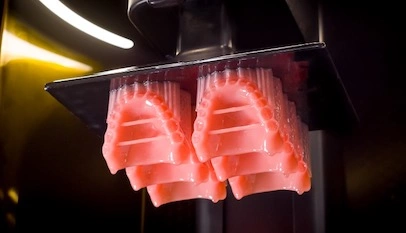
After milling, every restoration goes through a physical inspection. Our technicians check the margins under magnification. They also verify fit on the model before any finishing or glazing begins.
For implant restorations, this step is especially critical. Implant-supported crowns and bridges require very precise seating. Because of this, we apply an extra level of scrutiny to every implant case that leaves our Phoenix lab.
Step 4: Final Quality Check Before Shipping
Before any case is packaged, it goes through a final review. We check the shade, contour, and overall aesthetics. We also confirm that the correct items are included and that the prescription has been followed completely.
In addition, we review the occlusion one more time. A restoration that passes all four checkpoints is one that we are confident sending to your practice in Scottsdale, Tempe, or anywhere across the Greater Phoenix area.
Want to experience this level of detail on your next case? Contact Dentek Digital and let us show you the difference a quality-focused lab makes.
Common Errors That Quality Control Catches
Understanding what can go wrong helps you appreciate why these checkpoints exist. Here are some of the most common error types a strong quality control process is designed to catch.
- Open or tight contacts: Contacts that are too open leave food traps. Contacts that are too tight make seating difficult for the patient and doctor.
- Margin discrepancies: An open margin allows microleakage and can compromise the longevity of a restoration.
- Occlusal interference: A restoration that is too tall in occlusion causes discomfort and can lead to bite problems over time.
- Shade mismatch: Even a slight shade error is visible to patients and can affect their confidence in the result.
- Incomplete prescriptions: Missing information leads to assumptions. Assumptions lead to remakes.
Each of these errors is preventable. Furthermore, each one is something our team actively looks for at every stage of the workflow.
How You Can Help Prevent Errors on Your End
Error prevention is a partnership. Your lab can only work with what it receives. Therefore, the quality of your digital impressions and prescriptions has a direct impact on the final result.
Tips for Sending Clean Digital Impressions
A clean scan starts with good preparation and tissue management. Make sure margins are fully exposed and that moisture control is maintained. Additionally, take the time to review your scan before sending it. Most intraoral scanners allow you to spot voids or unclear areas before submission.
If you are practicing in Mesa or Phoenix and just transitioning to digital impressions, our team is happy to walk you through best practices. We partner with our doctors to make the entire process smoother.
Writing a Clear Prescription
A detailed prescription eliminates guesswork. Include shade, material preference, occlusal scheme, and any special instructions. Moreover, if the case involves an implant or complex bridge, note the specific requirements clearly.
The more information you provide, the better we can match your clinical goals. Additionally, clear communication upfront reduces the need for back-and-forth questions that slow down turnaround time.
Quality Control for Specialty Restorations
Standard crowns and bridges are not the only restorations that benefit from rigorous quality control. Our lab fabricates a wide range of specialty items, and each one has its own unique checkpoints.
Implant Restorations
Implant cases require exact passive fit. Even a small discrepancy can cause stress on the implant or discomfort for the patient. Therefore, our implant restorations go through multiple fit verifications before leaving the lab.
We also offer digital implant planning services. This means we can help identify potential issues before the implant is even placed, making the entire case more predictable from start to finish.
Removables and Splints
Removable appliances and nightguards must fit comfortably and function correctly. For example, a nightguard that does not seat properly will not be worn. An ill-fitting removable partial can irritate soft tissue and affect retention.
Our technicians check fit, extensions, and clasp position on every removable case. Additionally, splints are verified for even occlusal contact across the entire surface before shipping.
Frequently Asked Questions About Dental Lab Error Prevention
What is the most common reason for a dental lab remake?
Most remakes come from unclear impressions or incomplete prescriptions. Additionally, occlusal issues are a frequent cause. Strong communication between doctor and lab prevents the majority of these situations.
How does a digital workflow reduce lab errors?
Digital files can be reviewed, adjusted, and verified before anything is physically fabricated. Because of this, problems are identified at the design stage rather than after milling, which saves significant time and material.
How quickly does Dentek Digital flag a problem with an incoming case?
We review every incoming case promptly. If we identify an issue with the scan, prescription, or bite, we contact the practice right away. We do not move forward until we have clarity on the case requirements.
Can I request specific quality standards for my cases?
Absolutely. We encourage our partner practices to communicate their preferences clearly. Whether you have specific material requirements, shade preferences, or occlusal philosophy, we incorporate those details into your case workflow.
Does Dentek Digital handle cases from outside Phoenix?
Yes. While we are based in Phoenix and serve practices throughout the Greater Phoenix area including Tempe, Chandler, Mesa, Gilbert, and Scottsdale, we work with practices across the country. Our digital workflow makes it easy to collaborate regardless of location.
Partner With a Lab That Puts Quality First
Error prevention is not just a checklist. It is a culture. At Dentek Digital, every technician understands that their work directly affects a patient’s health and a doctor’s reputation. Therefore, we take every case seriously, no matter how routine it may seem.
We combine advanced CAD/CAM technology with skilled, experienced craftsmanship. As a result, our partner practices across Phoenix, Scottsdale, Mesa, and beyond receive restorations they can trust to seat right the first time.
If you are ready to work with a lab that makes quality control a priority, we would love to connect. Explore your options and send us a case today to get started.