
Every dental restoration that leaves a lab tells a story. It reflects the precision, materials, and processes behind it. For dentists across the Greater Phoenix area, that story matters deeply. Quality metrics give dental labs and their partner practices a reliable way to measure and improve that story over time.
However, many dental professionals are unsure how quality tracking actually works inside a modern digital lab. Therefore, this post breaks it down clearly. We cover what quality metrics are, why they matter, and how they shape better outcomes for patients.
At Dentek Digital, quality is not a vague standard. It is a measurable, trackable commitment. Our CAD/CAM workflow supports precision at every step of fabrication.
What Are Quality Metrics in a Dental Lab?
Quality metrics are specific, measurable standards used to evaluate lab performance. They help labs track consistency, accuracy, and overall restoration quality. In short, they turn “good work” into something you can actually verify.
For example, a digital dental lab might track remakes, fit issues, turnaround accuracy, and material consistency. Each data point reveals something useful. Together, they build a picture of where a lab excels and where it can improve.
Common Quality Metrics Dental Labs Track
Most high-performing labs monitor a core set of indicators. Here are the most important ones:
- Remake rate: How often does a restoration need to be redone? Lower is better.
- Fit and margin accuracy: Does the restoration seat properly on the first try?
- Turnaround time: Are cases delivered within the promised timeframe?
- Case rejection rate: How often are cases returned before fabrication due to poor impressions or data?
- Material compliance: Are the correct materials being used consistently for each case type?
Additionally, communication quality is often tracked. Clear, timely communication between lab and practice reduces errors significantly.
Why Quality Metrics Matter for Phoenix-Area Dental Practices
Dental practices in Phoenix, Scottsdale, Chandler, and Mesa depend on their lab partner to deliver reliable, consistent work. A single poor-fitting crown can cost a practice valuable chair time. Moreover, it erodes patient trust.
Because of this, practices that partner with labs focused on quality metrics tend to see fewer remakes. They also experience smoother case workflows. As a result, their patients enjoy faster treatment and better-fitting restorations.
Furthermore, tracking quality over time helps labs identify trends. For instance, a spike in fit issues might point to a calibration need or a scanning protocol gap on the practice side. Catching that early saves everyone time.
The Role of Digital Technology in Quality Tracking
CAD/CAM dentistry has transformed how labs measure and maintain quality. Digital workflows generate data at every stage. Therefore, labs can monitor outcomes in ways that were simply not possible with traditional analog methods.
For example, milling tolerances in a CAD/CAM system are extremely tight. Digital design software flags potential margin errors before fabrication even begins. Meanwhile, scan data provides a digital record that can be reviewed and compared case by case.
At Dentek Digital, we were among the earliest adopters of the digital CAD/CAM workflow in the country. That experience gives us a deep understanding of how to use digital tools to enforce and improve quality standards consistently.
How Dentek Digital Approaches Quality Control
Our quality control process starts the moment a case arrives. First, we review all incoming scan data or impressions for completeness and accuracy. Next, our technicians assess the case against the prescription details. Then, fabrication begins only when the case meets our intake standards.
However, quality control does not end at intake. Each restoration goes through inspection at multiple points in the workflow. Finally, a finished case review happens before packaging and shipping.
Multi-Stage Inspection for Every Case
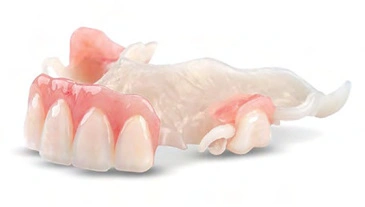
Our multi-stage approach means no restoration ships without meeting defined standards. This applies to every product category we offer. That includes fixed restorations, removables, splints and nightguards, and dental implant components.
Additionally, cases involving advanced services like TattooTH or digital implant planning receive specialized review steps. Because of this, our partners in Gilbert, Tempe, and across the Valley can trust that complex cases receive the same rigorous attention as standard ones.
Feedback Loops That Drive Improvement
Quality metrics only create value when someone acts on them. Therefore, we use ongoing feedback loops to identify patterns and make adjustments. For example, if a particular case type shows a higher-than-expected remake rate, we investigate the cause immediately.
Moreover, we welcome feedback from our partner practices. When a clinician in Scottsdale flags a seating issue, that information comes back into our quality review process. On the other hand, positive feedback helps us reinforce what is working well.
Practical Tips for Dental Practices to Support Quality Outcomes
Lab quality does not happen in isolation. The dental practice plays an important role too. Here are several practical steps practices can take to support better quality metrics on every case:
- Use accurate digital impressions or scans: Clean, complete scan data leads to better-fitting restorations. Invest time in proper scanning technique.
- Submit complete prescriptions: Vague instructions lead to guesswork. Be specific about shade, material, and occlusal requirements.
- Communicate changes promptly: If a treatment plan changes after a case is submitted, notify the lab right away.
- Track your own remake rate: Practices that monitor how often they request remakes often discover patterns that help them improve case submission quality.
- Partner with labs that share your quality standards: Not all labs track quality metrics rigorously. Choose a partner that does.
Additionally, building a consistent communication rhythm with your lab partner strengthens the relationship. As a result, edge cases and unusual requests get handled more smoothly.
Quality Metrics and Patient Outcomes in the Greater Phoenix Area
At the end of the day, quality metrics exist to serve patients. A well-fitting crown means fewer adjustments and a more comfortable experience. A properly fabricated implant component supports long-term stability. Therefore, every metric tracked at the lab level translates into something real for the patient in the chair.
Dental practices across Phoenix, Mesa, Chandler, and Scottsdale serve a wide range of patients with varied needs. Because of this, the demand for consistent, high-quality restorations is constant. Furthermore, as digital dentistry continues to evolve, the tools available for quality tracking will only become more powerful.
Dentek Digital is proud to partner with practices throughout the Greater Phoenix area in support of that mission. We combine advanced CAD/CAM technology with skilled craftsmanship to deliver restorations that meet high standards case after case.
If you want to explore how a quality-focused lab partnership can support your practice, contact Dentek Digital and let us know what you need.
Frequently Asked Questions About Quality Metrics in Dental Labs
What is a remake rate and why does it matter?
A remake rate measures how often a completed restoration must be redone. It is one of the most important quality indicators a lab can track. A consistently low remake rate signals strong fabrication accuracy and reliable case review processes.
How does CAD/CAM technology improve quality control?
CAD/CAM technology introduces digital precision at every stage of fabrication. Designs are reviewed digitally before milling begins. Additionally, the system maintains tight tolerances that reduce human error. As a result, digital labs generally deliver more consistent fit and accuracy than traditional analog labs.
Can a dental practice in Phoenix track its own quality metrics?
Yes, absolutely. Practices can track remake requests, adjustment time at delivery, and patient satisfaction related to fit and aesthetics. Moreover, comparing these metrics over time can reveal whether case submission quality is improving. Working closely with a quality-focused lab partner supports this effort.
What should I look for in a dental lab’s quality control process?
Look for multi-stage inspection, clear communication protocols, and a willingness to share and act on feedback. Additionally, ask whether the lab uses digital workflows and what tools they use to verify fit and margin accuracy before shipping. A lab that tracks quality metrics proactively is a stronger long-term partner.
Does Dentek Digital work with practices outside of Phoenix?
Dentek Digital is based in Phoenix and serves practices throughout the Greater Phoenix area, including communities like Mesa, Tempe, Chandler, Gilbert, and Scottsdale. We are also recognized as a national leader in digital dentistry and support partner practices in a growing number of markets.
Partner With a Lab That Takes Quality Seriously
Quality metrics are not just numbers on a report. They represent real outcomes for real patients. Therefore, choosing a lab partner that measures, tracks, and continuously improves those metrics makes a meaningful difference in your practice.
Dentek Digital has built its reputation on precisely this commitment. From our early adoption of digital CAD/CAM technology to our multi-stage quality review process, we approach every case with the same high standard. We serve dental professionals throughout Phoenix, Scottsdale, Gilbert, Mesa, and the broader Greater Phoenix Valley.
Ready to experience the difference a quality-focused digital lab can make? Explore your options and contact Dentek Digital today to get started.