Every dental practice wants restorations that fit right the first time. However, lab production errors can delay treatment, frustrate patients, and increase costs. Understanding where errors happen is the first step toward preventing them.
Digital dental labs have changed the game significantly. Because of this, practices across the Greater Phoenix area now have access to more precise, reliable restorations than ever before. Still, no workflow is completely error-free without the right systems in place.
At Dentek Digital, we have built our entire process around minimizing these errors. Therefore, dentists in Phoenix, Scottsdale, Mesa, and beyond can count on consistent, high-quality results case after case.
What Causes Lab Production Errors?
Lab errors rarely come from a single source. Instead, they typically result from a combination of communication gaps, process breakdowns, and technology limitations. Identifying each root cause helps labs and practices address them effectively.
Poor Impression or Scan Quality
The restoration can only be as accurate as the data it is built from. If an impression or digital scan contains distortions, the resulting restoration will not fit properly. This is one of the most common sources of remakes in dental labs today.
Digital intraoral scans have reduced this problem considerably. However, scan quality still depends on proper technique and well-maintained equipment. Practices in Chandler and Gilbert that invest in scanner training consistently see fewer remakes.
Incomplete or Unclear Case Instructions
Vague instructions create guesswork at the lab level. For example, missing shade information, unclear margin markings, or ambiguous occlusion notes can all lead to a restoration that misses the mark. Clear, detailed case documentation is essential.
Additionally, a standardized submission form helps eliminate these gaps. When every case arrives with complete information, the lab can move forward with confidence rather than making assumptions.
Communication Breakdowns Between Lab and Practice
Even small miscommunications can result in significant delays. Moreover, when a case is already in progress, catching an error late in the workflow is far more costly than catching it early. Strong communication channels between the dental team and the lab are critical.
Regular check-ins and a clear point of contact at the lab make a real difference. Furthermore, practices that use a collaborative approach with their lab partners tend to have far fewer production issues overall.
How Digital Workflows Reduce Lab Production Errors
The shift to fully digital workflows has been one of the most important developments in modern dentistry. CAD/CAM dentistry allows labs to design and mill restorations with a level of precision that traditional analog methods simply cannot match. As a result, many common sources of error are eliminated or significantly reduced.
At Dentek Digital, we were among the earliest adopters of digital CAD/CAM workflows in the country. Therefore, our team has years of experience refining these processes to deliver the best possible outcomes for our dental partners.
Digital Design and Milling Precision
Computer-aided design removes much of the manual variability in the fabrication process. Each restoration is engineered to precise measurements before a single tool touches the material. This means consistent fit, proper contacts, and accurate occlusion every time.
Additionally, digital files can be reviewed and adjusted before fabrication begins. This saves significant time compared to discovering a fit issue after a restoration has already been completed in traditional wax or cast materials.
Quality Checkpoints Throughout Production
A strong digital workflow includes built-in quality checkpoints at every stage. First, the incoming scan or impression is evaluated for accuracy. Next, the digital design is reviewed against the case prescription. Then, the finished restoration undergoes a final quality check before it leaves the lab.
These checkpoints catch issues early. Because of this, remakes are rare, and cases consistently arrive ready for delivery. Dental practices in Tempe and Scottsdale that partner with Dentek Digital benefit from this structured process on every single case.
Consistent Material Standards
Material selection and quality control go hand in hand. Using high-grade, consistent materials reduces the risk of fabrication failures or unexpected outcomes after delivery. Moreover, digital milling allows for precise material removal, which minimizes structural weaknesses in the final restoration.
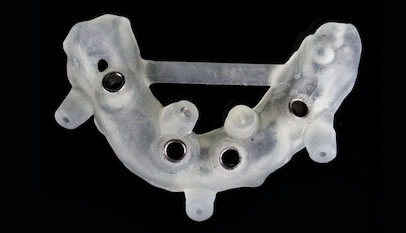
Our lab uses only carefully vetted materials for every restoration type, whether fixed crowns and bridges, removables, splints, nightguards, or implant-supported restorations. In addition, our team stays current with advances in dental materials to ensure our practices always receive the best options available.
Best Practices for Dental Practices to Reduce Lab Errors
Preventing lab production errors is a shared responsibility. On one hand, the lab must maintain rigorous quality standards. On the other hand, the dental practice plays a major role in providing the clean data and clear instructions that make great restorations possible.
Here are some practical steps every practice can take:
- Use a detailed case submission form for every case, including shade, material preferences, margin notes, and occlusion instructions.
- Verify scan quality before submitting. Review the scan chairside and retake if any areas show voids or distortions.
- Communicate changes promptly. If the treatment plan shifts after a case is submitted, contact the lab immediately to avoid wasted production time.
- Establish a single point of contact at both the practice and the lab. This reduces the chance of instructions getting lost or misunderstood.
- Review remakes critically. When a remake occurs, treat it as a learning opportunity. Identify whether the error originated at the scan, the instruction, or the fabrication stage.
Practices across the Phoenix metro area that follow these steps consistently report smoother workflows and fewer delays. Therefore, small process improvements at the practice level can have a big impact on overall case quality.
If you want to explore a better workflow for your practice, contact Dentek Digital and our team will walk you through our streamlined submission process.
The Role of Experience and Skilled Craftsmanship
Technology is a powerful tool, but it does not replace the experienced eye of a skilled dental technician. At Dentek Digital, we combine advanced CAD/CAM technology with the hands-on expertise our technicians bring to every case. This combination is what sets a truly digital dental lab apart.
For example, our team reviews every design before milling begins. Additionally, our technicians apply finishing touches that elevate a restoration from technically correct to aesthetically excellent. This level of care matters especially for high-visibility restorations in the anterior region.
Ongoing Training and Technology Adoption
The dental technology landscape evolves rapidly. Therefore, our team commits to continuous training and stays current with the latest advancements in digital dentistry. We also regularly evaluate new equipment and software to ensure our workflows remain at the forefront of the industry.
This dedication to staying current means our dental partners in Mesa, Chandler, and across the Greater Phoenix area always benefit from the most capable and reliable lab services available.
Frequently Asked Questions About Lab Production Errors
What are the most common lab production errors in dental labs?
The most common errors include poor-fitting restorations due to inaccurate scans or impressions, incorrect shade selection, and misinterpreted case instructions. Additionally, communication gaps between the lab and practice are a frequent contributing factor.
How does a digital workflow reduce lab errors compared to traditional methods?
Digital workflows remove many manual steps where human error can enter the process. CAD/CAM design and milling deliver highly repeatable precision. Moreover, digital files can be reviewed and corrected before fabrication, catching issues early.
What can my dental practice do to reduce remakes?
Start with clean, complete scan data and detailed case instructions. Review every scan before submission and establish clear communication with your lab partner. Furthermore, treat each remake as a diagnostic opportunity to improve your process going forward.
Does Dentek Digital work with practices outside of Phoenix?
Yes. While we proudly serve dental practices throughout the Greater Phoenix area — including Scottsdale, Tempe, Gilbert, and Chandler — we also work with practices across Arizona and beyond. Our digital submission process makes it easy to partner with us regardless of location.
How do I get started with Dentek Digital?
Getting started is simple. Reach out to our team to discuss your case types, submission preferences, and turnaround needs. We will help you find a workflow that fits your practice seamlessly.
Partner with a Lab That Gets It Right
Lab production errors slow down your practice and affect your patients. However, they are largely preventable with the right digital workflow, clear communication, and a skilled lab partner who takes quality seriously.
Dentek Digital has been a national leader in digital dentistry from the very beginning. Our team combines advanced CAD/CAM technology with expert craftsmanship to deliver restorations that meet the highest standards every time. We are proud to serve dental practices across Phoenix, Scottsdale, Mesa, Tempe, Chandler, Gilbert, and throughout Arizona.
Send us a case today and experience the Dentek Digital difference. Our team is ready to support your practice with precise, reliable, and efficient dental lab services built for the modern digital workflow.