
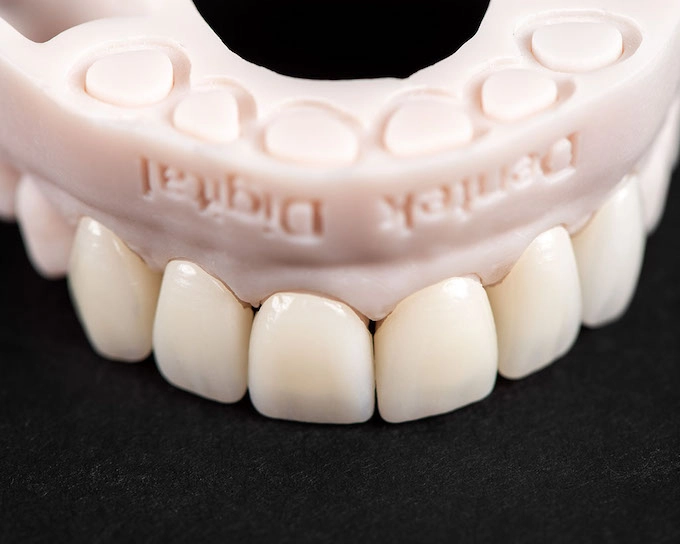
Every dental restoration that leaves a lab directly affects a patient’s health and comfort. Because of this, dental lab quality control is not optional — it is essential. Dentists across the Greater Phoenix area rely on lab partners who get it right every time.
However, quality control in a dental laboratory is more than a final inspection. It is a process woven into every step of fabrication. From the moment a case arrives to the moment it ships, precision matters.
At Dentek Digital, we have built our reputation on rigorous standards and advanced digital workflows. Therefore, understanding why quality control matters can help dental practices make smarter decisions about their lab partners.
What Quality Control Actually Means in a Dental Lab
Quality control is a structured system for catching and correcting errors. In a dental laboratory, it covers materials, fit, aesthetics, and timelines. Each of these factors affects the final restoration.
Furthermore, quality control is not just about avoiding failures. It is about delivering consistent, predictable results case after case. Dentists in Scottsdale, Chandler, Mesa, and beyond depend on that consistency every day.
The Role of Digital Technology in Quality Assurance
Modern digital labs use CAD/CAM dentistry to design and mill restorations with exceptional accuracy. Digital workflows reduce human error at every stage. They also create a documented, repeatable process.
Additionally, digital scanning eliminates many of the distortions that traditional impressions can introduce. As a result, the fit of a crown or bridge starts with much more reliable data. This is a foundational advantage of the digital approach.
At Dentek Digital, we were among the earliest adopters of digital CAD/CAM workflows in the country. Moreover, we continue to invest in the latest technology to stay ahead of industry standards.
Human Craftsmanship Still Plays a Critical Role
Technology alone does not guarantee quality. Skilled technicians must interpret digital data and apply expert judgment. Therefore, combining technology with craftsmanship is what separates good labs from great ones.
Every restoration benefits from the trained eye of an experienced technician. They review margins, occlusion, shade, and surface texture. Finally, a thorough inspection confirms the piece meets clinical and aesthetic standards before it ships.
Why Quality Control Directly Impacts Patient Outcomes
A poorly fitting crown can cause pain, bite issues, and long-term damage. On the other hand, a well-crafted restoration supports healthy function for years. The difference often comes down to what happens in the lab.
For example, a restoration with an open margin can allow bacteria to enter. This can lead to secondary decay and costly retreatment. Because of this, precision at the margin is one of the most critical quality checkpoints.
Fit and Occlusion
Proper fit ensures the restoration seats accurately on the prepared tooth. Meanwhile, correct occlusion protects the patient’s bite and surrounding teeth. Both must be verified before the case leaves the lab.
Digital design tools allow technicians to simulate occlusal contacts virtually. In addition, physical verification confirms the digital analysis. This two-step approach strengthens confidence in every case.
Aesthetics and Patient Satisfaction
Patients notice when a restoration does not match their natural teeth. Therefore, shade matching and surface characterization are serious quality considerations. They directly affect patient satisfaction and trust in their dentist.
Furthermore, anterior restorations require especially careful attention to translucency and texture. A skilled technician evaluates the restoration under multiple light sources. As a result, the final product looks natural in any setting.
Key Areas Where Quality Control Prevents Costly Remakes
Remakes cost time and money for both the lab and the dental practice. However, most remakes are preventable with the right quality systems in place. Identifying risk points early makes a significant difference.
Below are the core areas where strong quality control prevents problems:
- Case intake and documentation: Accurate records ensure the technician has all the information needed to fabricate correctly.
- Material selection: Choosing the right material for the clinical indication reduces failure risk.
- Milling and fabrication tolerances: Digital milling must meet precise specifications to ensure fit.
- Shade verification: Shade tabs, photos, and digital shade tools reduce mismatches.
- Final inspection: Every case receives a comprehensive review before packaging and shipping.
Additionally, clear communication between the lab and the dental practice supports better outcomes. When dentists provide complete case information, labs can perform at their best. This partnership is especially important for complex implant and full-arch cases.
Dental practices in Gilbert, Tempe, and across the Phoenix metro area benefit when their lab partner maintains strict protocols at every stage. Contact Dentek Digital to discuss your case requirements and experience the difference that precision quality control makes.
Quality Control for Specific Restoration Types
Different restorations carry different quality demands. Therefore, a strong lab adjusts its inspection protocols based on the restoration type. One standard process does not fit every case.
Fixed Restorations
Crowns, bridges, and veneers require precise margin fit and accurate occlusion. In addition, the layering of ceramic or zirconia must meet strength and aesthetic standards. Each unit is verified individually before the case is released.
Dental Implant Restorations
Implant restorations demand exceptional accuracy at the implant interface. Moreover, the connection between the abutment and the restoration must be exactly right. Even small errors can compromise the implant’s long-term success.
Dentek Digital offers advanced digital implant planning services. This helps ensure that the restorative and surgical phases are aligned from the start. As a result, the final restoration fits predictably and functions reliably.
Removables and Nightguards
Removable appliances and splints must fit comfortably and function correctly. However, they are often treated as lower-priority cases. Strong labs apply the same quality standards to these pieces as they do to fixed restorations.
Furthermore, a poorly fitting nightguard can cause jaw discomfort or fail to protect teeth effectively. Therefore, verification of fit, thickness, and finish is essential for every appliance.
How to Evaluate Your Dental Lab’s Quality Standards
Not all dental labs apply the same level of rigor. Therefore, dentists should ask the right questions when choosing a lab partner. A few key indicators can reveal a lot about a lab’s commitment to quality.
Consider asking about the following:
- Remake and remission rates: A low rate suggests consistent quality output.
- Technology investment: Does the lab use current digital design and milling equipment?
- Technician training: Are technicians trained and experienced in the restoration types you need?
- Communication processes: Does the lab respond quickly and clearly when questions arise?
- Turnaround consistency: Does the lab reliably meet promised delivery dates?
In addition, visiting or speaking directly with lab leadership can reveal the culture behind the quality. Labs that take pride in their work are usually transparent about their processes. Moreover, they welcome the opportunity to explain how they ensure consistency.
Frequently Asked Questions About Dental Lab Quality Control
What is dental lab quality control?
Dental lab quality control is a system of checks applied throughout the fabrication process. It ensures that every restoration meets clinical and aesthetic standards before it reaches the dentist. Additionally, it helps prevent errors and reduce the need for remakes.
How does digital technology improve quality in dental labs?
Digital technology improves quality by creating precise, repeatable workflows. CAD/CAM design tools reduce human error in shaping and fitting restorations. Furthermore, digital scanning provides more accurate data than traditional impressions.
Why does quality control matter for dental implant cases?
Implant restorations require exact precision at the connection point. Therefore, quality control is especially critical for these cases. Errors at the implant interface can affect fit, function, and long-term success.
How can I reduce remakes when working with a dental lab?
Providing complete, accurate case information is the best starting point. In addition, using digital impressions reduces the distortion risk of traditional materials. Finally, choosing a lab with strong quality protocols significantly lowers remake rates.
Does Dentek Digital serve dentists outside of Phoenix?
Yes. While Dentek Digital is based in Phoenix, Arizona, we partner with dental practices across the region. We serve dentists in Mesa, Scottsdale, Chandler, Tempe, Gilbert, and throughout the Greater Phoenix area.
Partner With a Lab That Takes Quality Seriously
Quality control is the foundation of a reliable dental lab partnership. Moreover, it is what protects your patients and your practice reputation. Dentists across the Phoenix area deserve a lab partner who holds every case to the highest standard.
At Dentek Digital, we combine cutting-edge digital technology with skilled technician craftsmanship. As a result, every restoration we deliver reflects our commitment to precision and reliability. From fixed restorations to implants, splints, and removables, we apply rigorous quality standards at every step.
We invite you to experience the Dentek Digital difference. Explore your options and send us a case today — we are ready to support your practice and your patients with exceptional lab work.