
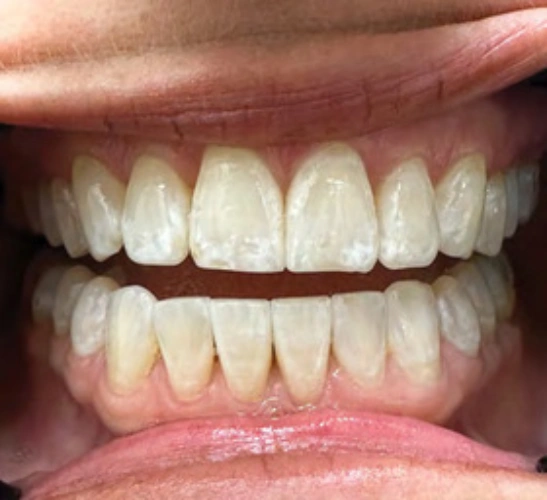
The denture landscape is changing fast. More dental practices across Greater Phoenix are asking a straightforward question: are digital vs traditional dentures really that different? The short answer is yes — and the differences matter for your workflow, your patients, and your bottom line.
Traditional denture fabrication has worked for decades. However, digital denture technology is now delivering results that are more precise, more consistent, and faster to produce. Understanding both approaches helps you make better decisions for your patients.
At Dentek Digital, we work with dentists throughout Phoenix, Mesa, Scottsdale, Chandler, and the surrounding communities. We see firsthand how the shift to digital is transforming denture outcomes. This guide breaks down exactly what you need to know.
How Traditional Dentures Are Made
Traditional denture fabrication relies on a hands-on, analog process. It begins with physical impressions taken chairside, using impression materials that capture the patient’s oral anatomy.
Those impressions are then poured in stone to create physical models. A dental technician uses those models to manually build the denture, layer by layer, using wax try-ins and multiple appointments to refine the fit.
The Traditional Workflow Step by Step
First, the dentist takes a primary impression. Next, a custom tray is fabricated for a secondary impression. Then, a jaw relation record is captured to establish bite and occlusion. After that, wax try-ins confirm aesthetics and fit before final processing begins.
This process typically requires multiple patient visits. Additionally, each step introduces opportunities for human error. Small distortions in the impression or model can affect the final fit of the denture.
Furthermore, if the patient needs a replacement or a duplicate, the lab must start the process largely from scratch. There is no stored digital record of the original case.
How Digital Dentures Are Made
CAD/CAM dentistry has brought a fundamentally new approach to denture fabrication. Instead of physical impressions and stone models, digital dentures rely on intraoral scans or scanned physical impressions to create precise digital files.
Those files are uploaded to design software, where a skilled technician builds the denture virtually. The design is then milled or printed from high-quality dental-grade materials. As a result, the process is faster, more accurate, and highly repeatable.
The Digital Denture Workflow Step by Step
First, the dentist captures intraoral scans or takes impressions that the lab scans digitally. Next, the lab designs the denture using advanced CAD software. Then, the design is sent to a milling machine or 3D printer for fabrication. Finally, finishing and quality checks are completed before delivery.
Because the design file is stored digitally, replacement dentures can be produced quickly and consistently. Moreover, adjustments are easier to make before fabrication begins, which reduces the need for costly remakes.
Key Differences Between Digital and Traditional Dentures
Both methods aim to restore function and aesthetics for edentulous patients. However, they differ significantly in process, precision, and overall efficiency. Let’s break down the most important distinctions.
Accuracy and Fit
Traditional dentures depend heavily on the accuracy of physical impressions. Distortion during impression-taking or model pouring can affect the fit. On the other hand, digital workflows minimize these variables by working directly from precise scan data.
Digital dentures tend to deliver a more consistent, accurate fit from the start. This is especially important for patients with complex anatomy or those who have struggled with denture retention in the past.
Number of Patient Appointments
Traditional fabrication often requires four to six or more patient visits. Digital workflows can reduce this significantly. Because of this, patient satisfaction improves and chair time decreases — a real advantage for busy practices in Gilbert, Tempe, and across the Valley.
Turnaround Time
Traditional dentures take longer to fabricate due to the hands-on nature of the process. Digital fabrication is faster. Additionally, the elimination of certain manual steps means fewer delays from lab to chair.
Material Quality
Digital dentures are typically milled from high-density PMMA pucks or fabricated using advanced 3D printing resins. These materials are dense, durable, and consistent in composition. Traditional acrylic processing, while proven, can introduce porosity or inconsistencies in some cases.
Record Keeping and Reproducibility
This is one of the most overlooked advantages of digital dentures. The digital file is stored and can be reprinted or remilled if a denture is lost, damaged, or needs adjustment. Traditional dentures offer no equivalent safety net without starting over.
Clinical Considerations for Dentists
Switching to a digital denture workflow requires some investment in scanning technology and training. However, for most practices, the return on that investment is clear.
Intraoral scanners are becoming more accessible and affordable. Many practices in Phoenix and the surrounding areas are already using them for fixed restorations. Therefore, adding digital denture workflows is a natural next step.
Working With a Digital Lab Partner
Your lab partner plays a central role in the success of digital dentures. The lab must have the right software, hardware, and expertise to translate your digital files into a well-fitting, aesthetic denture.
Dentek Digital has been one of the earliest adopters of CAD/CAM workflows in the country. We work with dentists across the Greater Phoenix area — from Scottsdale to Chandler, from Mesa to downtown Phoenix — to deliver digital dentures built to the highest standards.
When you’re ready to explore digital dentures for your practice, contact Dentek Digital to discuss your next case and get started.
When Traditional Dentures Still Make Sense
Digital is not always the only path. In some clinical scenarios, traditional fabrication remains a valid option. For example, practices without intraoral scanning capability may still rely on conventional impressions.
Additionally, some highly experienced technicians produce excellent results with traditional methods. The key is knowing what each approach offers and choosing accordingly.
Benefits of Digital Dentures for Your Patients
Ultimately, the goal is better outcomes for patients. Digital dentures offer several patient-facing benefits that are worth communicating in your practice.
- Fewer appointments: Patients spend less time in the chair and experience a smoother process overall.
- Better fit: Digital precision reduces the need for extensive post-delivery adjustments.
- Faster delivery: Patients receive their dentures more quickly than with traditional workflows.
- Reliable replacements: If a denture is lost or broken, a replacement can be fabricated quickly from the saved digital file.
- Consistent aesthetics: Digital design tools allow for precise tooth positioning and aesthetic customization.
For patients in Mesa, Tempe, and surrounding communities who have had difficult experiences with traditional dentures, digital options can offer a meaningful improvement in comfort and satisfaction.
Frequently Asked Questions About Digital vs Traditional Dentures
Are digital dentures more accurate than traditional dentures?
Generally, yes. Digital dentures eliminate several manual steps that can introduce error. Scanning and CAD design produce more consistent results than traditional impression and model-based workflows.
Do digital dentures cost more?
Digital dentures may have a higher upfront fabrication cost in some cases. However, fewer remakes, fewer adjustments, and reduced chair time often offset that difference over time. The value is in the overall efficiency and outcome quality.
Can I switch to digital dentures without new equipment?
Yes, in many cases. If you don’t have an intraoral scanner, you can still take conventional impressions and send them to a digital lab like Dentek Digital. We scan the physical impression and proceed with a digital workflow from there.
How long do digital dentures last?
Digital dentures made from high-density milled PMMA are very durable. Longevity depends on patient care, wear habits, and biological changes over time — similar to traditional dentures. Digital materials are consistently dense, which can support durability.
What if the patient needs a replacement denture?
This is one of the strongest advantages of digital. Because the design file is stored, a replacement can be fabricated without starting the clinical process from scratch. This saves time for both the practice and the patient.
Partner With a Digital Lab That Understands Dentures
The comparison of digital vs traditional dentures is not just theoretical. It directly affects how efficiently your practice runs and how well your patients are served. Digital workflows are advancing quickly, and practices that embrace them early gain a real competitive edge.
Dentek Digital is proud to be a trusted digital lab partner for dental practices across Greater Phoenix. We combine industry-leading CAD/CAM technology with skilled craftsmanship to deliver dentures that fit well, look natural, and hold up over time.
Whether you’re in Chandler, Gilbert, Scottsdale, or anywhere across the Phoenix metro, our team is here to support your digital denture cases from start to finish. Send us a case today and experience the difference a dedicated digital lab can make for your practice and your patients.