
Modern implant technology has transformed the way dental professionals restore smiles. Today, dentists can achieve more predictable results than ever before. Digital tools, advanced materials, and precise workflows have raised the standard of care across the board.
For dental practices in the Greater Phoenix area, these advances are especially exciting. Communities like Scottsdale, Mesa, Gilbert, and Chandler are home to patients who expect modern, comfortable, and long-lasting care. Therefore, staying current with digital dentistry is no longer optional — it is essential.
At Dentek Digital, we partner with dentists throughout the Phoenix area to deliver high-quality implant restorations. Furthermore, our CAD/CAM-driven workflow helps ensure every restoration fits with exceptional accuracy. In this post, we explore how today’s technology is improving implant outcomes step by step.
The Role of Digital Planning in Implant Success
Implant success begins long before the patient sits in the chair. First, clinicians must plan the case carefully. Digital planning tools give dentists a clear, three-dimensional view of the patient’s anatomy before any surgery begins.
Additionally, digital planning helps identify the ideal implant position, angle, and depth. As a result, surgeons can avoid critical structures and reduce complications. This level of precision was simply not possible with older analog methods.
Digital Implant Planning at Dentek Digital
Dentek Digital offers advanced digital implant planning services for dental practices in Phoenix and surrounding communities. Our team works with your CBCT scans and digital impressions to help map out the ideal treatment approach. Moreover, this service helps bridge the gap between the surgical and restorative phases of care.
Because of this integrated approach, your patients experience smoother procedures and more consistent outcomes. Digital planning reduces guesswork and helps align everyone on the care team. It is one of the most important advantages of modern implant technology.
How CAD/CAM Technology Elevates Implant Restorations
CAD/CAM dentistry — which stands for computer-aided design and computer-aided manufacturing — has revolutionized how dental restorations are made. Instead of relying on hand-built models alone, digital files guide precision milling machines. The result is a restoration with highly accurate fit and consistent quality.
For implant restorations specifically, fit is everything. A crown or bridge that does not seat properly can lead to discomfort, bone loss, or implant failure. Therefore, CAD/CAM technology plays a critical role in long-term implant success.
Precision Milling and Material Selection
At Dentek Digital, we mill restorations from premium materials such as zirconia and other high-strength ceramics. These materials offer durability, aesthetics, and biocompatibility. Additionally, our milling equipment produces restorations with tight tolerances that manual fabrication simply cannot match.
Material selection also matters greatly for implant cases. On the other hand, choosing the wrong material can compromise the restoration’s longevity. Our experienced team helps dentists choose the right solution for each patient’s unique needs.
Digital Impressions vs. Traditional Impressions
Traditional impressions can introduce distortion and inaccuracies. Digital impressions, by contrast, capture highly detailed scans of the patient’s dentition. As a result, the data we receive at the lab is cleaner, more accurate, and easier to work with.
Many dental practices in Tempe, Chandler, and Gilbert have already made the shift to digital scanning. Furthermore, this transition has led to fewer remakes and faster turnaround times for their patients. It is a win for both the dentist and the patient.
Screw-Retained vs. Cement-Retained Implant Crowns
One important decision in implant restoration is whether to use a screw-retained or cement-retained crown. Each approach has advantages. However, digital technology has made both options easier to execute with precision.
Screw-retained restorations are retrievable, which many clinicians prefer for long-term maintenance. Cement-retained restorations can offer certain aesthetic advantages in specific cases. Therefore, the right choice depends on the patient’s anatomy, the implant position, and the clinician’s preference.
How Our Lab Supports Both Options
Dentek Digital fabricates both screw-retained and cement-retained implant crowns with equal precision. Our CAD/CAM workflow allows us to design each restoration to the exact specifications provided. In addition, we work closely with dentists to ensure every case is handled with attention to detail.
If you are unsure which approach suits a particular case, our team is happy to consult. Send us a case and let us help you identify the best path forward for your patient.
The Importance of the Restorative-Surgical Connection
Implant success is not just about the surgery or just about the restoration. Instead, it requires seamless communication between the surgical team and the restorative team. Digital workflows make this collaboration much more efficient.
For example, digital files can be shared instantly between offices, labs, and specialists. Meanwhile, everyone on the care team works from the same accurate data set. This reduces miscommunication and keeps the treatment plan aligned from start to finish.
Custom Abutments and Emergence Profiles
Custom abutments are another area where technology makes a significant difference. A well-designed abutment shapes the soft tissue around the implant for a natural-looking result. Furthermore, digital design tools allow us to create custom abutments that precisely match the patient’s anatomy.
Emergence profile design — the way the restoration transitions from the implant to the gumline — affects both aesthetics and hygiene. A poorly designed emergence profile can trap bacteria and complicate home care. Therefore, getting this detail right is critical to long-term implant health.
TattooTH: An Advanced Implant Solution from Dentek Digital
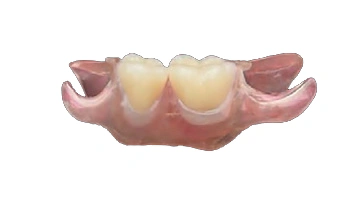
Dentek Digital offers TattooTH, an advanced implant restoration solution designed for demanding clinical situations. TattooTH leverages cutting-edge digital design and premium materials to deliver exceptional results. Moreover, it is one of the services that sets Dentek Digital apart as a national leader in digital dentistry.
For dental practices in Scottsdale, Mesa, and the broader Phoenix metro area, TattooTH offers a distinctive option for complex or full-arch implant cases. Additionally, our team provides hands-on support to help dentists understand how TattooTH fits into their implant workflow. Contact our team to learn more about this innovative service.
Why Dentek Digital Is the Right Lab Partner for Phoenix-Area Dentists
Dentek Digital was among the earliest adopters of the digital CAD/CAM workflow in the United States. We have spent years refining our processes and investing in the best available technology. As a result, we consistently deliver restorations that meet the highest standards of precision and quality.
We understand the needs of dental practices across the Greater Phoenix area. From small family practices in Gilbert and Chandler to larger group practices in Scottsdale, we serve a wide range of clinical environments. Furthermore, we treat every case with the same level of care and craftsmanship.
Fast Turnaround Without Sacrificing Quality
Our digital workflow also enables faster turnaround times compared to traditional lab methods. Because our process is highly systematized, we can move efficiently from design to fabrication. However, speed never comes at the expense of quality at Dentek Digital.
We know that your patients are waiting. Therefore, we work hard to deliver restorations on time, every time. Our goal is to support your practice so you can focus on delivering outstanding patient care.
Frequently Asked Questions About Implant Technology
What is digital implant planning, and do I need it?
Digital implant planning uses CBCT scan data and software to map out the ideal implant placement before surgery. It is not always required. However, it greatly improves predictability, especially for complex or multi-implant cases.
How does CAD/CAM technology improve implant crown fit?
CAD/CAM systems use digital design files to mill restorations with high accuracy. As a result, crowns and bridges fit more precisely than those made with traditional methods. Better fit leads to better comfort, aesthetics, and long-term outcomes.
What materials does Dentek Digital use for implant restorations?
We work with premium materials including zirconia and high-strength ceramics. Material selection depends on the specific case requirements. Additionally, our team can help guide material choices based on the clinical situation.
Can Dentek Digital work with my digital scanner?
Yes. We accept digital scan files from most major intraoral scanners. Furthermore, working digitally from scan to restoration streamlines the entire process for your practice and your patients.
How do I get started with Dentek Digital?
Getting started is simple. Contact Dentek Digital and our team will walk you through the process of submitting your first case. We make it easy to integrate our lab services into your existing workflow.
Partner with Dentek Digital for Better Implant Outcomes
Implant technology continues to evolve rapidly. The dental practices that embrace these tools are delivering better outcomes for their patients. Moreover, they are building stronger, more efficient workflows in their offices.
Dentek Digital is here to help you take full advantage of what modern digital dentistry offers. We combine advanced technology with skilled craftsmanship to produce restorations you and your patients can count on. Whether you are in Phoenix, Mesa, Tempe, Scottsdale, or anywhere in the Greater Phoenix area, we are ready to be your trusted lab partner.
Explore your options and take the next step toward more predictable implant outcomes. Reach out to the Dentek Digital team today — we look forward to supporting your practice and your patients.