
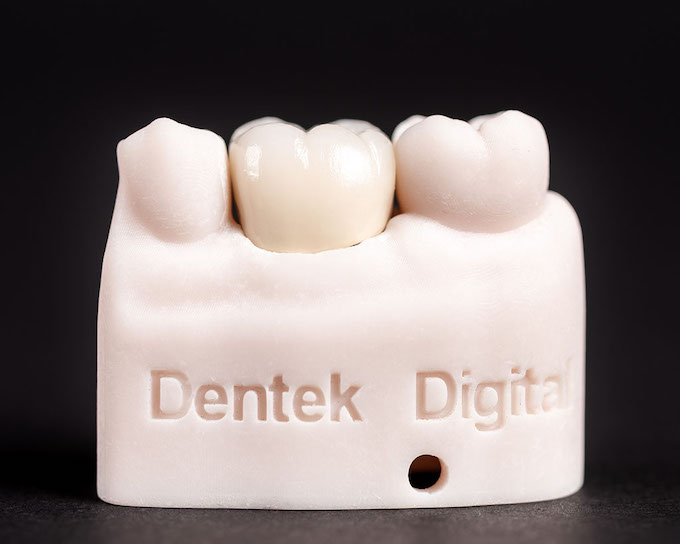
Dental implants have transformed modern dentistry. They restore function, aesthetics, and confidence for patients across Greater Phoenix. However, a successful implant outcome depends on more than the surgical placement itself.
Strong implant lab support plays a critical role at every stage of the restoration process. From custom abutment design to final crown fabrication, the dental lab is a true partner in implant success. Therefore, choosing the right lab matters more than many dentists realize.
At Dentek Digital, we work with dental practices throughout Phoenix, Mesa, Scottsdale, and Chandler to deliver precision implant restorations. Our digital workflow helps clinicians achieve consistently excellent outcomes for their patients.
Why the Dental Lab Is Central to Implant Outcomes
Most patients focus on the surgical experience when they think about dental implants. However, the restoration phase is equally important. A poorly fitting crown or abutment can compromise the entire investment.
The dental lab shapes how the final restoration looks, feels, and functions. Additionally, the lab influences how well the restoration integrates with the surrounding bite and soft tissue. Because of this, the lab relationship is one of the most valuable partnerships a clinician can build.
Precision Fit Starts in the Lab
A precise fit at the implant-abutment interface is essential. Even small discrepancies can lead to complications over time. Therefore, labs must use accurate data and reliable fabrication methods to deliver optimal results.
Digital labs use CAD/CAM dentistry technology to design and mill restorations with exceptional accuracy. This process reduces human error and produces consistently tight margins. As a result, clinicians in Chandler, Gilbert, and beyond can expect restorations that seat predictably every time.
Material Selection Matters
The dental lab also guides material choices for implant restorations. Different clinical situations call for different solutions. For example, a posterior implant crown may require a material that prioritizes strength, while an anterior case may demand lifelike aesthetics.
Experienced lab technicians understand these nuances. Moreover, they can communicate material options clearly so the dentist can make an informed decision with the patient. This collaborative approach supports better long-term outcomes.
The Digital Workflow Advantage for Implant Restorations
Digital dentistry has changed how labs and clinicians work together. Traditional analog workflows relied heavily on physical impressions and manual fabrication. In contrast, digital workflows use intraoral scans, digital design software, and precision milling or printing.
This shift has improved accuracy across the board. Additionally, it has shortened turnaround times and reduced the risk of remakes. For busy practices in Tempe, Scottsdale, and throughout the Phoenix metro area, this efficiency is a real advantage.
From Scan to Restoration: A Streamlined Process
The digital implant workflow typically begins with an intraoral scan or a scan of a physical model. Next, the lab receives the digital file and begins designing the abutment and crown in CAD software. Then, the restoration is milled or printed using high-quality materials.
Each step is trackable and repeatable. Furthermore, digital records make it easy to reference previous cases or make adjustments as needed. This level of consistency is difficult to achieve with traditional methods.
Scan Body and Implant Library Compatibility
One technical area where lab expertise is essential is scan body and implant library management. Scan bodies are small components placed on the implant during scanning. They help the lab identify the implant’s exact position and orientation in the digital model.
An experienced digital lab maintains an extensive library of implant system data. Therefore, they can accurately design restorations that match the specific implant platform a clinician uses. This compatibility is a foundational element of precise implant restorations.
Custom Abutments vs. Stock Abutments
One of the most important decisions in implant restoration is the choice between a custom abutment and a stock abutment. Both have their place in clinical practice. However, understanding the differences helps clinicians make the best choice for each case.
When Custom Abutments Make a Difference
Custom abutments are designed specifically for an individual patient’s anatomy and implant position. As a result, they can provide a better emergence profile and improved soft tissue support. This is especially valuable in aesthetic zones or cases with non-ideal implant angulation.
The dental lab designs custom abutments using the patient’s digital scan data. Furthermore, they can be fabricated in titanium, zirconia, or other materials depending on the clinical requirements. This flexibility allows for truly customized outcomes.
Stock Abutments and Their Role
Stock abutments are pre-manufactured components that work well for straightforward cases. They are generally more cost-effective and still deliver reliable results when the implant position is favorable. Additionally, they are often available with shorter turnaround times.
A knowledgeable lab team will help clinicians evaluate which option is appropriate. Moreover, clear communication between the dentist and lab ensures the final restoration meets both clinical and aesthetic goals.
Implant Planning: Collaboration Before the Surgery
The best implant outcomes often begin before the patient is ever in the surgical chair. Digital implant planning allows the surgical team and the lab to collaborate on the ideal implant position and restoration design in advance.
At Dentek Digital, we offer digital implant planning services to support this proactive approach. This service helps clinicians in Phoenix, Mesa, and the surrounding communities visualize the final restoration before surgery begins. Therefore, it aligns the restorative and surgical phases from the start.
Guided Surgery and Its Lab Connection
Surgical guides are fabricated by the dental lab based on the implant planning data. These guides help the surgeon place the implant in the position that best supports the planned restoration. As a result, the restorative outcome is more predictable.
This connection between planning, surgery, and restoration is one of the most powerful aspects of modern digital dentistry. Furthermore, it reduces the chance of misalignment or compromise at any stage of the process.
Communication and Case Documentation
Strong implant lab support also includes clear, consistent communication. The lab needs detailed case information to fabricate the best possible restoration. Additionally, good documentation helps avoid misunderstandings that lead to remakes and delays.
When submitting an implant case, clinicians should provide the implant brand and system, the scan body used, shade information, bite records, and any aesthetic notes. The more context the lab receives, the better the result will be.
Building a Long-Term Lab Partnership
The most successful implant practices tend to work closely with one trusted lab over time. This relationship allows the lab to learn a clinician’s preferences and consistently deliver restorations that match their standards. Moreover, a familiar lab team can flag potential issues early and offer proactive solutions.
Dentek Digital partners with dental practices throughout the Greater Phoenix area, including communities like Gilbert and Tempe, to build exactly this kind of collaborative relationship. We are invested in each clinician’s success.
Tips for Getting the Most from Your Lab on Implant Cases
Working effectively with your dental lab can meaningfully improve your implant outcomes. Here are some practical recommendations to keep in mind:
- Send complete case information with every submission, including the implant system, scan body type, and shade details.
- Use high-quality intraoral scans to capture accurate data at the tissue level and around the scan body.
- Communicate aesthetic goals clearly, especially for anterior implant cases where appearance is a priority.
- Discuss material options with your lab before submitting complex cases to ensure alignment on the best solution.
- Plan ahead for surgical guide cases by involving your lab early in the implant planning process.
- Give feedback after delivery so your lab can continuously refine results to match your preferences.
These habits build a stronger working relationship and reduce the likelihood of complications or remakes. Additionally, they save time for both the practice and the patient.
Frequently Asked Questions About Implant Lab Support
What information should I send with an implant case?
Send the implant brand, system, and connection type. Also include the scan body used, intraoral or model scan files, shade information, bite records, and any specific aesthetic notes. Complete information leads to better-fitting, better-looking restorations.
How does a digital lab improve implant restoration accuracy?
Digital labs use CAD/CAM technology to design restorations from precise scan data. This process eliminates many of the variables introduced by traditional impression materials and manual fabrication. As a result, restorations seat more predictably and require fewer adjustments.
What is the difference between a custom and a stock abutment?
A custom abutment is designed specifically for a patient’s anatomy and implant position. A stock abutment is a pre-made component that suits straightforward cases. Your lab can help you determine which option is best for a given clinical situation.
Can the dental lab help with implant planning?
Yes. Many digital labs, including Dentek Digital, offer digital implant planning services. This allows the lab and clinician to collaborate on the ideal implant position and restoration design before surgery begins. Therefore, both the surgical and restorative phases are better aligned.
How do I know if my lab is experienced with implant restorations?
Ask about their implant library, the systems they support, and their experience with custom abutments and surgical guides. Additionally, a lab that communicates proactively and offers planning services is a strong indicator of implant expertise.
Partner with Dentek Digital for Implant Restorations
Implant success is a team effort. The surgeon, the restorative clinician, and the dental lab all play essential roles. Therefore, choosing a lab with deep digital expertise and a genuine commitment to quality is one of the most important decisions you can make.
Dentek Digital is a nationally recognized digital dental lab based in Phoenix, Arizona. We combine advanced CAD/CAM technology with skilled craftsmanship to deliver precise, reliable implant restorations. We serve dental practices throughout Phoenix, Mesa, Scottsdale, Chandler, Gilbert, and Tempe.
Whether you need custom abutments, implant crowns, surgical guides, or digital implant planning, we are ready to support your cases. Contact Dentek Digital today to send us a case or explore how our implant services can support your practice and your patients.