
Zirconia has already transformed modern dentistry. However, the most exciting developments are still ahead. Understanding the future zirconia landscape helps dental practices stay competitive and deliver better patient outcomes.
Dentists across Greater Phoenix — from Scottsdale to Chandler — are seeing growing demand for stronger, more natural-looking restorations. Zirconia is leading that shift. Because of this, labs like Dentek Digital are investing in the technology and expertise to meet that demand.
In this post, we explore where zirconia restorations are headed, what innovations are shaping the field, and how your practice can benefit from partnering with a forward-thinking digital dental lab.
What Is Zirconia and Why Does It Matter?
Zirconia is a ceramic material known for its exceptional strength and durability. It has become one of the most widely used materials in modern dental restorations. Furthermore, it offers an excellent combination of aesthetics and function.
Traditional porcelain restorations, while beautiful, can chip or fracture under heavy bite forces. Zirconia, on the other hand, resists fracture far more effectively. As a result, it has become the material of choice for crowns, bridges, and implant restorations.
Additionally, advances in CAD/CAM dentistry have made zirconia restorations faster, more precise, and more customizable than ever before. Digital workflows allow labs to mill zirconia to exact specifications. This precision improves fit, reduces adjustments, and supports better long-term outcomes.
How CAD/CAM Has Elevated Zirconia
CAD/CAM technology allows dental labs to design and mill restorations digitally. This process eliminates many manual steps that introduce variability. Therefore, the results are more consistent and repeatable.
At Dentek Digital, we were among the earliest adopters of digital CAD/CAM workflows in the country. Our Phoenix lab uses this technology to fabricate zirconia restorations with exceptional accuracy. Moreover, digital workflows mean faster turnaround times for your practice.
Dentists in Mesa, Tempe, and Gilbert have seen firsthand how digital zirconia restorations reduce remakes and improve patient satisfaction. The precision of CAD/CAM milling simply cannot be matched by traditional methods.
Key Trends Shaping the Future of Zirconia
The zirconia category is evolving rapidly. Several trends are driving meaningful improvements in materials, workflows, and outcomes. Here is what to watch closely in the coming years.
1. Ultra-Translucent Zirconia
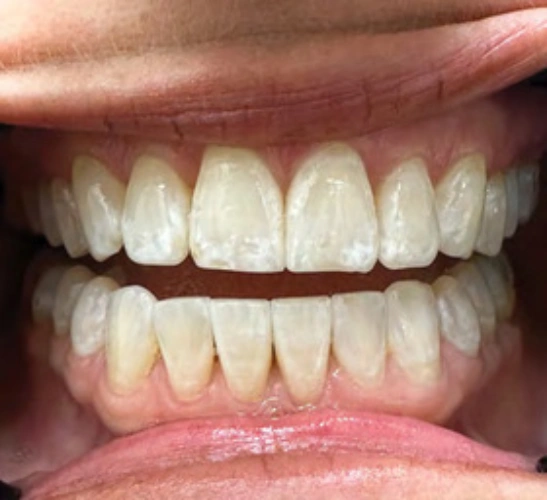
Early zirconia restorations were opaque and lacked the natural look of tooth enamel. However, newer high-translucency zirconia formulations are closing that gap. As a result, zirconia is now a viable option for anterior restorations where aesthetics are critical.
Multi-layered zirconia blanks offer gradient translucency. This means the restoration can mimic the natural gradation of a real tooth. Furthermore, improved coloring techniques allow lab technicians to shade zirconia more precisely than before.
2. Monolithic Zirconia Restorations
Monolithic restorations are milled from a single block of zirconia without a layered porcelain overlay. Therefore, they are significantly stronger and less prone to chipping. Additionally, they require less material and often cost less to produce.
For posterior crowns and full-arch cases, monolithic zirconia has become the preferred choice. Moreover, it simplifies the fabrication process without sacrificing durability. Many practices across Scottsdale and Chandler are already making the switch.
3. Zirconia for Implant Restorations
Zirconia is increasingly used for implant-supported crowns and bridges. Its biocompatibility makes it an excellent choice for tissue health around implants. Furthermore, zirconia does not corrode, unlike some metal-based options.
At Dentek Digital, our implant restoration services already incorporate high-strength zirconia. We work closely with dental teams to ensure accurate fit and seamless integration with implant components. Additionally, we offer digital implant planning support to streamline the entire workflow.
If your practice is exploring implant-supported zirconia options, contact Dentek Digital to discuss your next case with our experienced team.
4. Faster Sintering Technology
Sintering is the process of heating zirconia to fuse its crystalline structure. Traditionally, this step took many hours. However, new high-speed sintering furnaces are dramatically reducing that time.
As a result, same-day or next-day zirconia restorations are becoming increasingly achievable. This benefits both dental practices and patients who want faster treatment. Meanwhile, the quality and integrity of the material are maintained.
5. AI-Assisted Design
Artificial intelligence is beginning to influence how restorations are designed digitally. AI tools can analyze occlusal patterns, tooth morphology, and adjacent tooth data to propose optimized designs. Therefore, the design process becomes faster and more precise.
While AI-assisted design is still emerging, it represents a significant step forward. Furthermore, it supports technicians by reducing repetitive design decisions and improving consistency across cases.
What This Means for Your Phoenix-Area Practice
The future zirconia evolution is not just a lab concern — it directly affects your practice. Stronger materials, better aesthetics, and faster turnaround all translate to improved patient care. Moreover, they reduce the time and cost associated with remakes and adjustments.
Practices in Mesa, Gilbert, Tempe, and Scottsdale are increasingly choosing digital labs over traditional analog workflows. The reason is simple: digital zirconia restorations deliver more predictable, higher-quality results. Additionally, the communication between your office and a digital lab is smoother and more efficient.
How to Prepare Your Practice
Staying ahead of zirconia trends requires a few practical steps. Consider these approaches to position your practice for success:
- Adopt digital impressions: Intraoral scanners pair seamlessly with digital lab workflows. They eliminate impression material distortion and speed up case submission.
- Understand material options: Ask your lab about high-translucency, multi-layered, and monolithic zirconia options. Each has specific strengths depending on the case.
- Communicate occlusal data: Share bite records and occlusal details digitally. This helps labs design more accurate restorations from the start.
- Partner with a forward-thinking lab: Choose a lab that invests in the latest technology and stays current with material advancements.
- Plan for implant cases: If you place implants, explore zirconia as a restoration material early in treatment planning. Digital workflows make this easier.
Explore your options by connecting with our team at Dentek Digital. We work with practices across the Phoenix metro area to match the right materials and workflows to each case.
Zirconia vs. Other Restoration Materials
It helps to understand how zirconia compares to other commonly used materials. This context makes it easier to choose the right solution for each patient.
Zirconia vs. PFM (Porcelain-Fused-to-Metal)
Porcelain-fused-to-metal crowns have been a standard for decades. However, they carry several limitations. The metal substructure can show through as a dark line at the gum margin over time.
Zirconia eliminates the metal entirely. As a result, it offers better aesthetics and avoids metal sensitivity concerns. Furthermore, it does not corrode or discolor over time.
Zirconia vs. Full-Cast Metal
Full-cast metal restorations are extremely durable. However, most patients today prefer tooth-colored options. Therefore, zirconia offers a strong, aesthetic alternative — particularly for posterior teeth where both strength and appearance matter.
Zirconia vs. Lithium Disilicate (e.max)
Lithium disilicate, commonly known as e.max, is prized for its translucency and lifelike appearance. On the other hand, it is less strong than zirconia under heavy bite forces. Therefore, zirconia remains the preferred choice for molar crowns, long-span bridges, and implant-supported cases.
In many cases, the best labs use both materials strategically. Dentek Digital offers both zirconia and e.max restorations, allowing your team to choose the best fit for each clinical situation.
Frequently Asked Questions About the Future of Zirconia
Will zirconia continue to improve aesthetically?
Yes. Multi-layered and high-translucency formulations are already available. Furthermore, ongoing material research continues to close the gap between zirconia and natural enamel appearance.
Is zirconia suitable for anterior restorations?
Modern translucent zirconia is increasingly used for anterior crowns and veneers. However, the right formulation matters. Consult with your dental lab to select the appropriate zirconia grade for each case.
How does digital scanning improve zirconia outcomes?
Digital scans provide precise 3D models of the patient’s dentition. As a result, labs can design and mill restorations that fit accurately from the first try. This reduces chairside adjustment time significantly.
Can zirconia be used for full-arch implant cases?
Absolutely. High-strength zirconia is well-suited for full-arch implant bridges. Additionally, its biocompatibility supports healthy tissue response around implant fixtures. Dentek Digital offers implant restoration services that include zirconia options.
How do I start sending zirconia cases to a digital lab?
The process is straightforward. You submit a digital scan or traditional impression along with your prescription and shade details. Additionally, Dentek Digital provides guidance on case submission to make the process simple for your team.
Partner with Dentek Digital for Advanced Zirconia Restorations
The future zirconia era is already unfolding. Practices that embrace digital workflows and advanced materials today will be best positioned to thrive tomorrow. Moreover, partnering with a trusted digital lab ensures your patients receive the highest quality restorations available.
Dentek Digital is proud to serve dentists and practices throughout Greater Phoenix — including Scottsdale, Chandler, Mesa, Tempe, and Gilbert. We combine industry-leading CAD/CAM technology with skilled craftsmanship to deliver precise, reliable results on every case.
Send us a case and experience the Dentek Digital difference. Our team is ready to support your practice with zirconia restorations, implant solutions, and the full range of our digital lab services. Contact Dentek Digital today to get started.