
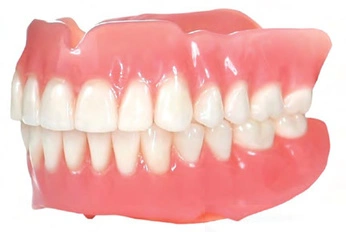
Crown occlusion is one of the most critical factors in designing a successful dental crown. When occlusion is off — even slightly — patients notice. They feel discomfort when biting, experience uneven pressure, or return to the dental chair with complaints that are hard to trace. For dental practices across the Greater Phoenix area, getting occlusion right from the start saves time, reduces remakes, and improves patient outcomes.
At Dentek Digital, we design every crown with occlusion as a central priority. Our CAD/CAM workflow allows us to engineer precise contacts, cusp anatomy, and bite relationships into every restoration before it ever leaves our lab. As a result, dentists in Phoenix, Scottsdale, Mesa, and beyond receive restorations that seat predictably and feel natural to patients.
This post explores the fundamentals of occlusion in crown design, why it matters, and how a digital workflow makes it more accurate than ever before.
What Is Occlusion and Why Does It Matter in Crown Design?
Occlusion refers to the way upper and lower teeth come together when the jaw closes. In crown design, occlusion determines how the restored tooth contacts its opposing teeth. A well-designed crown distributes bite forces evenly and protects surrounding structures.
Poor occlusion, on the other hand, creates problems. It can lead to premature wear, fracture, TMJ discomfort, or even bone stress over time. Therefore, understanding occlusion is essential for every dentist placing a crown and every lab technician fabricating one.
Key Occlusal Concepts Every Dentist Should Know
Several core concepts guide occlusal crown design. First, centric occlusion refers to the maximum intercuspation — the position where the most teeth contact simultaneously. Second, centric relation describes the ideal condylar position in the joint. These two reference points guide how a lab technician designs cusp tips and fossae.
Additionally, excursive movements — lateral and protrusive jaw motions — affect how crown anatomy must be shaped to avoid interference. Meanwhile, occlusal vertical dimension helps determine the correct height of the restoration. Together, these concepts define the foundation of proper crown design.
How CAD/CAM Technology Improves Occlusal Accuracy
CAD/CAM dentistry has transformed the way dental labs approach occlusion. Traditional wax-up techniques relied heavily on manual skill and physical articulators. Digital design tools now allow lab technicians to visualize occlusal contacts in three dimensions before milling begins.
At Dentek Digital, our software displays dynamic occlusal analysis in real time during the design phase. We can identify and adjust high contacts, cusp interferences, and inadequate clearance before any material is cut. Because of this, the margin for error shrinks dramatically compared to analog methods.
Digital Articulators and Virtual Mounting
One of the most powerful tools in our digital workflow is the virtual articulator. We use digital models to simulate jaw movement across all excursive paths. This means every crown we design is tested against lateral and protrusive movements virtually before fabrication.
Furthermore, digital case submissions from dentists in Chandler, Gilbert, and Tempe allow us to incorporate full-arch scans into our design workflow. With that data, we can evaluate each crown in the context of the patient’s entire bite — not just the adjacent teeth. This approach consistently improves first-time seating accuracy.
Scan Quality and Its Impact on Occlusion
The accuracy of our occlusal design depends heavily on the quality of the digital impressions we receive. A well-captured intraoral scan gives us precise margin detail, clear tissue displacement, and accurate opposing arch data. In contrast, a scan with voids or movement artifacts limits what we can achieve at the design stage.
We always encourage dental teams to capture both arches and a bite registration scan when submitting cases. This gives our technicians the full picture they need to design crowns that seat with confidence. Contact our team to learn more about scan submission guidelines and case requirements.
Occlusion Considerations for Zirconia Crowns
Zirconia is one of the strongest and most versatile materials used in crown fabrication today. However, its hardness means that occlusal design must be especially precise. Poorly designed occlusal contacts on a zirconia crown can transfer excessive force to opposing natural teeth or restorations.
Moreover, zirconia’s rigidity means it does not flex under load the way some other materials might. Therefore, contacts must be smooth, broad, and correctly positioned to distribute bite forces appropriately. Our technicians at Dentek Digital pay close attention to cusp morphology and fossa design for every zirconia crown we fabricate.
Balancing Esthetics and Function in Zirconia
Anterior zirconia crowns present unique occlusal challenges. Front teeth guide lateral jaw movements, so the crown’s lingual contour directly affects how the patient moves from side to side. Additionally, incisal edge position influences speech and anterior guidance depth.
We work closely with dentists across the Phoenix metro — including practices in Scottsdale and Mesa — to balance esthetic goals with functional requirements. When both are considered together from the start, the final result is a restoration that looks great and works correctly. That dual focus is central to how we operate.
Posterior Zirconia and Heavy Occlusal Loads
Posterior crowns carry the heaviest bite forces in the mouth. First and second molars, in particular, must be designed with cusp-to-fossa contacts that spread load across a broad surface area. In addition, we avoid steep cusp angles in heavy bruxers, as these concentrate stress at narrow contact points.
For patients with parafunctional habits, our technicians communicate occlusal design recommendations to the submitting dentist. We also fabricate splints and nightguards at Dentek Digital to help protect restorations in high-wear cases. A comprehensive approach protects both the crown and the patient’s long-term oral health.
Common Occlusal Problems and How to Prevent Them
Even with a precise digital workflow, occlusal issues can occasionally arise at delivery. Understanding the most common causes helps practices prevent them before they reach the patient. Here are the most frequent occlusal challenges we see and how to address them proactively:
- High contacts after cementation: Often caused by incomplete seating or cement thickness. Check the crown dry before final cementation and verify full seating.
- Premature contact in excursion: Usually a design issue tied to steep cusp angles. Communicate excursive habits and parafunction on the case submission form.
- Open contacts with adjacent teeth: Typically related to scan inaccuracies or tissue displacement. Ensure proper retraction and scan clarity at margins.
- Patient-reported bite sensitivity: May result from over-contoured occlusal surfaces. Share any bite concerns on resubmission so our team can adjust morphology.
- Opposing tooth wear: Often linked to overly aggressive cusp design. Flag bruxism or wear patterns on the lab slip so we can modify accordingly.
Furthermore, clear communication between the dental practice and our lab is the single most effective way to prevent these issues. The more clinical detail we receive, the better we can engineer the restoration.
How Dentek Digital Supports Phoenix-Area Dentists with Occlusal Design
Dentek Digital was among the earliest adopters of digital CAD/CAM workflows in the country. That experience translates directly into better occlusal outcomes for the dentists and patients we serve. Our technicians understand the nuances of bite design and apply that knowledge to every case that comes through our lab.
We serve dental practices across the Greater Phoenix area, including communities like Tempe, Gilbert, Chandler, and Scottsdale. Whether you’re restoring a single posterior tooth or completing a full-arch rehabilitation, our team brings the same level of precision and care to every case.
Moreover, we stay current with evolving CAD/CAM tools and materials so that our design capabilities continue to improve. As technology advances, so does our ability to deliver restorations that seat right the first time and last for years in the patient’s mouth.
Frequently Asked Questions About Crown Occlusion
What is crown occlusion and why is it important?
Crown occlusion describes how a dental crown contacts opposing teeth during biting and chewing. It is important because incorrect occlusion can cause discomfort, premature wear, and restoration failure. Proper occlusal design ensures the crown functions comfortably and protects surrounding teeth.
How does a digital lab check occlusion during crown design?
Digital labs like Dentek Digital use CAD/CAM software with virtual articulators to analyze occlusal contacts in three dimensions. We simulate jaw movement across all excursive paths before milling begins. This process catches potential interferences early and improves first-time seating accuracy.
Can the quality of my digital scan affect the occlusal design?
Yes, absolutely. A clear, complete intraoral scan gives our technicians the data they need to design accurate contacts. Scans with voids, movement artifacts, or missing opposing arch data limit our ability to optimize occlusion. High-quality scans consistently produce better outcomes.
How should I communicate occlusal concerns to my dental lab?
Include any relevant clinical notes on your lab submission. Flag parafunctional habits, bite sensitivity history, opposing restorations, or excursive interferences. The more context we have, the more precisely we can tailor the occlusal design to your patient’s needs.
What should I do if a crown comes back with a high bite?
First, verify full seating and check for cement remnants. If the crown seats completely and the high bite remains, contact our team for guidance. We can review the case, evaluate the design, and provide adjustments or a remake when warranted.
Partner with Dentek Digital for Precise Crown Design
Occlusion is not an afterthought — it is the foundation of a successful crown restoration. At Dentek Digital, we treat every occlusal detail as an opportunity to deliver a better result for your patients. Our digital-first workflow, experienced technicians, and commitment to quality set us apart as a trusted lab partner across Phoenix and the surrounding communities.
Whether you practice in Mesa, Scottsdale, Chandler, Gilbert, or anywhere in the Greater Phoenix metro, we are ready to support your restorative work with precision-designed crowns that fit, function, and last. Contact our team today to send us a case or discuss your next restoration with one of our digital dentistry specialists.