
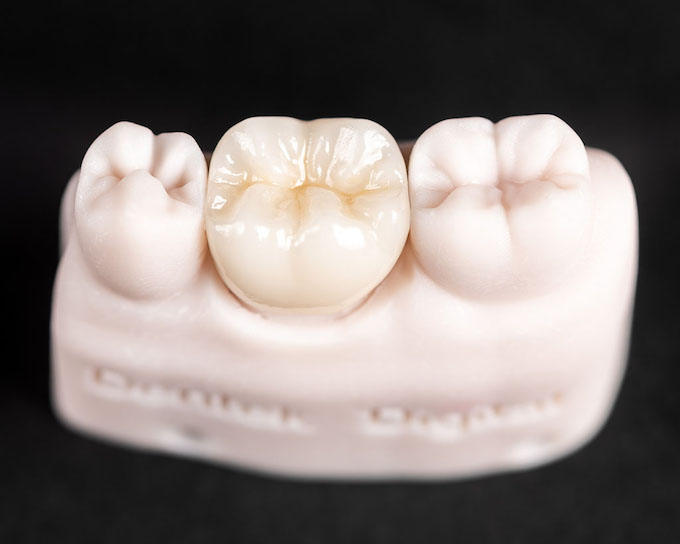
Implant dentistry continues to evolve at a rapid pace. As a result, dental professionals are looking for smarter, more reliable ways to deliver implant restorations that patients can count on. Ti base implant restorations have become one of the most trusted solutions in modern implant dentistry. They combine the strength of titanium with the aesthetic precision of custom-milled crowns — all through a fully digital workflow.
At Dentek Digital, we have been at the forefront of digital dentistry since the earliest days of CAD/CAM technology. Our Phoenix, Arizona lab fabricates high-quality implant restorations for dental practices across the country. We understand what dentists need: accuracy, reliability, and a lab partner who delivers on time.
Whether you are expanding your implant services or refining your current workflow, this guide covers everything you need to know about ti base implant restorations and how a digital lab like Dentek Digital can support your practice.
What Are Ti Base Implant Restorations?
Ti base implant restorations use a titanium base — often called a ti base or titanium bonding base — as the connection between the implant and the final crown. The ti base attaches directly to the implant fixture. Then, a custom-milled crown made from zirconia or other high-strength materials bonds to the ti base above the gumline.
This two-piece design offers significant advantages. First, it separates the metallic implant interface from the visible crown material. Therefore, the final restoration can achieve excellent aesthetics without compromising strength at the connection point.
How the Ti Base Works
The ti base sits at the implant level and serves as the internal connection. It is typically made from medical-grade titanium, which is highly biocompatible. On top of the ti base, the lab mills and bonds a custom crown using CAD/CAM technology. The result is a one-piece screw-retained restoration that seats directly into the implant.
Additionally, the bonded design eliminates the need for a separate abutment screw at the crown level. This simplifies delivery for the clinician and creates a more reliable final product.
Common Materials Used With Ti Base Restorations
Zirconia is the most common material bonded to ti bases. It offers outstanding strength and natural aesthetics. However, lithium disilicate and other high-strength ceramics can also be used depending on the clinical situation. At Dentek Digital, we help dentists select the right material for each case.
Why Dentists Are Choosing Ti Base Implant Restorations
The adoption of ti base restorations has grown steadily in recent years. Because of this, more dental practices are asking labs to support this workflow. The benefits are clear and well-supported by clinical experience across many implant systems.
Stronger Implant-to-Crown Connection
One major advantage is the strength of the titanium interface. Titanium handles the mechanical stress at the implant level extremely well. Moreover, the bonded zirconia crown handles the aesthetic demands at the visible level. Together, they create a restoration that performs well in both function and appearance.
Improved Aesthetics in the Anterior Region
Traditional metal abutments can sometimes cause grayish discoloration near the gumline. On the other hand, ti base restorations with zirconia crowns minimize this issue. The white or tooth-colored crown material sits above the ti base, keeping the visible area natural-looking. This is especially important for anterior implant cases where esthetics are a priority.
Screw-Retained Convenience
Ti base restorations are typically screw-retained. Therefore, they are retrievable if adjustments are needed in the future. Dentists and their patients benefit from a restoration that can be removed and serviced without damaging the implant. This is a key clinical advantage over cement-retained designs.
Compatibility Across Implant Systems
Ti bases are available for most major implant systems on the market today. As a result, dentists are not limited to a single brand or platform. Dentek Digital works with a wide range of implant systems and can accommodate the specific connection your practice uses.
The Digital Workflow Behind Ti Base Restorations
The digital workflow is what makes modern ti base restorations so precise. At Dentek Digital, we use advanced CAD/CAM technology throughout every step of fabrication. This means fewer errors, better fit, and faster turnaround times for your practice.
From Scan to Fabrication
The process starts with a digital scan of the implant position using a scan body. The dentist captures the implant analog position with an intraoral scanner. Next, that file is sent to our lab in Phoenix, Arizona. Our technicians use CAD software to design the crown to exact specifications. Then, our milling machines produce the final restoration from a high-quality material block.
Furthermore, the ti base is bonded to the milled crown in our lab using a precise, controlled protocol. The finished restoration arrives ready for delivery at your next patient appointment.
Accuracy You Can Count On
Digital workflows eliminate many of the variables that traditional impressions introduce. Because of this, the marginal fit and occlusal accuracy of CAD/CAM restorations are consistently high. Dentists across the Phoenix area — from Scottsdale to Chandler to Mesa — rely on Dentek Digital for this level of precision.
Faster Turnaround for Your Practice
Speed matters in a busy dental practice. Digital files transmit instantly, so there is no waiting for physical impressions to arrive. Additionally, our streamlined lab process in Phoenix means your ti base restoration is fabricated and shipped quickly. Practices in Tempe, Gilbert, and across the Greater Phoenix area benefit from our efficient digital workflow every day.
How to Send a Ti Base Case to Dentek Digital
Sending a ti base implant case to our lab is straightforward. We have designed our intake process to be simple and efficient for dental practices of all sizes.
- Step 1: Place the scan body at the implant level and capture a digital scan using your intraoral scanner.
- Step 2: Note the implant system, implant size, and connection type for our team.
- Step 3: Include shade information, occlusal clearance measurements, and any specific design preferences.
- Step 4: Submit your case file digitally through our case submission portal.
- Step 5: Our team reviews the case, confirms details, and begins fabrication.
If you have questions during the process, our team is ready to help. We work closely with dentists to make sure every case is handled correctly the first time.
Supporting Dental Practices Across the Greater Phoenix Area
Dentek Digital is proud to serve dental professionals throughout the Greater Phoenix, Arizona region. From our lab in Phoenix, we support practices in communities like Scottsdale, Mesa, Chandler, Tempe, and Gilbert. We also serve dental practices nationally, including those looking for a reliable digital lab partner outside of Arizona.
Moreover, we were among the earliest adopters of the digital CAD/CAM workflow in the country. That experience gives us a deep understanding of what dental professionals need from a lab partner. We combine cutting-edge technology with skilled craftsmanship to deliver results that support better patient outcomes.
Our implant restoration services extend beyond ti base cases. We also offer digital implant planning, custom abutments, implant-supported bridges, and full-arch solutions. Therefore, your practice can rely on Dentek Digital as a comprehensive implant lab partner.
Frequently Asked Questions About Ti Base Implant Restorations
What implant systems are compatible with ti base restorations?
Most major implant systems offer compatible ti base components. Common platforms include Straumann, Nobel Biocare, Zimmer Biomet, and many others. Additionally, Dentek Digital works with a wide range of systems to accommodate your specific case. Contact our team to confirm compatibility for your implant platform.
Is zirconia always used with ti base restorations?
Zirconia is the most common choice because of its strength and aesthetics. However, other materials can be used depending on the clinical requirements. Our lab team can help you choose the best material for each individual case.
How do I submit a ti base case to Dentek Digital?
You can submit your case digitally through our online portal. Simply send your scan file along with case details such as the implant system, crown shade, and any design notes. Our team will review the case and follow up if additional information is needed.
What is the turnaround time for ti base restorations?
Turnaround times vary depending on the complexity of the case. However, our digital workflow allows us to process most cases efficiently. Contact us directly for current turnaround estimates and rush options if available.
Can ti base restorations be used for full-arch cases?
Yes, ti bases can be used in multi-unit and full-arch implant scenarios. Furthermore, Dentek Digital has experience fabricating complex implant-supported restorations for full-arch cases. Reach out to discuss your specific clinical situation with our team.
Partner With Dentek Digital for Ti Base Implant Restorations
Ti base implant restorations represent one of the most effective solutions in modern implant dentistry. They offer superior strength, excellent aesthetics, and a retrievable design that benefits both dentists and patients. Moreover, the fully digital workflow makes them faster and more precise than ever before.
At Dentek Digital, we bring decades of combined experience and the latest CAD/CAM technology to every case we fabricate. Our Phoenix, Arizona lab is recognized as a national leader in digital dentistry. We are ready to support your implant cases with the precision and reliability your patients deserve.
Ready to get started? Contact Dentek Digital today to send us a case or request a consultation. Our team is here to help you deliver exceptional implant restorations with confidence.