
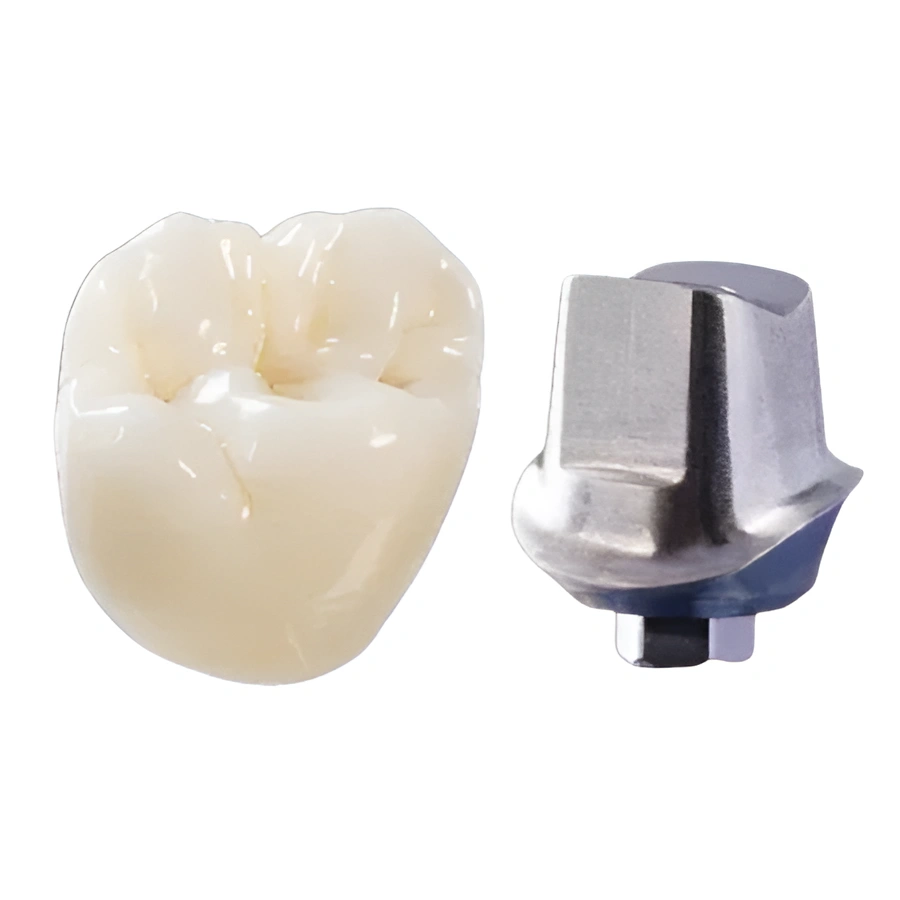
When a patient needs a complex implant-supported restoration, every component matters. Multi unit abutment restorations are one of the most precise and demanding fabrications in modern implant dentistry. They connect implant fixtures to prosthetic crowns or bridges, and they must fit perfectly to perform well long-term.
At Dentek Digital, we fabricate high-quality multi unit abutment restorations using advanced CAD/CAM technology. Our digital workflow delivers consistent accuracy that traditional lab methods simply cannot match. Therefore, dentists across the Greater Phoenix area — from Scottsdale to Chandler — trust us with their most complex implant cases.
In this post, we break down what multi unit abutment restorations are, why digital fabrication matters, and how Dentek Digital supports dental practices with reliable, precise lab solutions.
What Are Multi Unit Abutment Restorations?
A multi unit abutment (MUA) is a specialized component used in implant dentistry. It connects to the implant fixture and provides a platform for the final prosthetic restoration. These are most commonly used in full-arch cases, such as All-on-4 or All-on-6 implant treatments.
Because the implants are often placed at angles, multi unit abutments allow restorations to seat passively and correctly. Additionally, they compensate for divergent implant angulations. This makes them essential for complex, multi-tooth implant cases.
How Multi Unit Abutments Differ from Standard Abutments
Standard abutments work well for single-tooth implant cases. Multi unit abutments, however, are designed for scenarios with multiple implants and a shared prosthesis. They create a common seating plane so the restoration fits across all implant positions.
Furthermore, they simplify restorative procedures for the clinician. The prosthetic connects directly to the MUA, which streamlines the workflow significantly. As a result, chair time is reduced and patient comfort improves.
Common Restoration Types Built on Multi Unit Abutments
Multi unit abutment restorations come in several forms. Your treatment plan will determine which type fits the clinical situation best.
- Screw-retained implant bridges: A fixed prosthesis that attaches directly to the MUAs with access screws
- Full-arch zirconia restorations: Monolithic or layered zirconia spanning the entire arch
- Implant-supported hybrid prostheses: A combination of metal framework and acrylic or composite
- Porcelain-fused-to-metal (PFM) bridges: A traditional but still-used option for certain cases
Each restoration type has specific material and design requirements. Therefore, choosing the right dental lab partner is critical to achieving a predictable outcome.
Why Digital Fabrication Elevates Multi Unit Abutment Restorations
Traditional analog methods rely heavily on manual impressions and hand-crafted components. These methods introduce variability at every stage. In contrast, digital CAD/CAM workflows eliminate many of those variables from the start.
At Dentek Digital, we were among the earliest adopters of digital dentistry workflows in the country. We use CAD/CAM technology to design and mill restorations with exceptional precision. Because of this, our multi unit abutment restorations achieve consistent fit and superior esthetics.
The CAD/CAM Workflow Explained
CAD stands for Computer-Aided Design. CAM stands for Computer-Aided Manufacturing. Together, these technologies allow our technicians to design restorations digitally and then mill them from high-quality material blocks.
First, the dentist submits a digital scan or physical impression. Next, our team imports that data into our CAD software. Then, we design the restoration with precise margins, occlusion, and contours. Finally, a milling machine fabricates the restoration from the chosen material.
Moreover, digital files can be reviewed and adjusted before milling begins. This reduces remakes and speeds up the overall turnaround. As a result, your patients receive their restorations faster without sacrificing quality.
Materials We Use for Multi Unit Abutment Restorations
Material selection plays a major role in restoration success. We work with a range of high-performance materials to meet each clinical need.
- Zirconia: Extremely strong and highly esthetic, ideal for full-arch cases
- PMMA (Acrylic): Used for provisionals and hybrid restorations
- Titanium frameworks: Provide a strong substructure for layered restorations
- Porcelain: Added for lifelike esthetics in layered designs
Additionally, we keep pace with evolving material science. New generations of zirconia now offer both strength and translucency. This means patients get restorations that look natural and perform reliably over time.
How Dentek Digital Supports Arizona Dental Practices
We serve dental practices across the Greater Phoenix area and beyond. Our lab partners with practices in Scottsdale, Mesa, Tempe, Gilbert, and Chandler, among many others. We understand the clinical demands of busy practices and fast-paced patient schedules.
Our team functions as an extension of your practice. We provide consistent communication, fast turnaround, and technical support throughout the case. Furthermore, we offer digital implant planning services that complement multi unit abutment cases from the very beginning.
Digital Implant Planning and MUA Cases
Digital implant planning allows the surgeon and restorative dentist to collaborate before surgery. The implant positions are planned virtually, with the final restoration in mind. This is especially important for full-arch MUA cases.
When implants are placed based on a prosthetically driven plan, the final restoration fits more predictably. Moreover, the MUA selection and angulation are factored in early. As a result, the entire case flows more smoothly from surgery through final delivery.
Dentek Digital offers digital implant planning as an advanced service. This helps practices in Phoenix and surrounding communities deliver better outcomes for their implant patients.
Sending Cases to Dentek Digital
Our case submission process is straightforward. We accept both digital scans and traditional physical impressions. However, we encourage digital submissions for the most accurate results.
You can submit your case information along with the scan, shade selections, and any special instructions. Our team reviews every submission carefully. Additionally, we reach out if clarification is needed before we begin fabrication.
We pride ourselves on clear communication and dependable lab relationships. Practices across Chandler, Gilbert, and Mesa have come to rely on us for their most complex implant cases.
Practical Tips for Dentists Planning Multi Unit Abutment Cases
Successful MUA restorations start well before the lab receives the case. Here are some practical considerations that support better outcomes.
- Plan prosthetically: Know the final restoration design before surgery begins
- Verify implant positions digitally: Use a CBCT scan to confirm placement accuracy
- Use high-quality scan bodies: Accurate scan body placement ensures precise abutment design
- Choose the right MUA angle: Match the abutment angulation to the implant trajectory
- Communicate shade and material preferences early: This reduces delays at the lab stage
- Request a provisional first: A well-designed provisional guides the final design
Furthermore, maintaining open communication with your lab technician throughout the case is key. We welcome questions and encourage collaboration. Because of this, our cases have a high rate of first-time delivery success.
Frequently Asked Questions About Multi Unit Abutment Restorations
What is the difference between a multi unit abutment and a regular implant abutment?
A regular abutment is typically used for single-tooth restorations. A multi unit abutment is designed for full-arch or multi-tooth cases. It allows the prosthesis to seat across multiple implants, even when they are placed at different angles.
Can Dentek Digital work with any implant system?
We are compatible with most major implant systems. Additionally, our CAD/CAM software supports a wide library of implant components. We recommend confirming your system during case submission so we can select the correct interface.
How accurate are CAD/CAM multi unit abutment restorations?
CAD/CAM fabrication is highly accurate. Digital design and milling minimize human error at every stage. Moreover, our team reviews each design before milling to ensure margins, fit, and occlusion are correct.
What turnaround time should I expect?
Turnaround time varies depending on the complexity of the case and the material chosen. However, we strive to deliver cases as efficiently as possible without compromising quality. Contact our team for a case-specific timeline estimate.
Do you offer provisional restorations for multi unit abutment cases?
Yes. We fabricate PMMA provisional restorations for full-arch implant cases. These allow the patient to function and heal while the final restoration is being designed and milled. Provisionals also help refine esthetics and phonetics before the final delivery.
Partner with Dentek Digital for Precision MUA Restorations
Multi unit abutment restorations are among the most technically demanding restorations in implant dentistry. Therefore, they require a dental lab with the technology, materials, and expertise to get them right. Dentek Digital delivers all three.
We combine cutting-edge CAD/CAM technology with skilled craftsmanship and real clinical understanding. Our team supports practices across Scottsdale, Tempe, Chandler, and the entire Greater Phoenix area with reliable, high-quality restorations.
Whether you are planning your first full-arch case or looking to improve your current lab relationship, we are here to help. Contact Dentek Digital today to send us a case or discuss your next multi unit abutment restoration.