
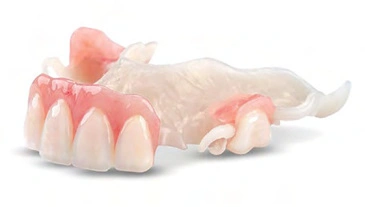
Implant-supported restorations have transformed modern dentistry. Among the most technically demanding are multi unit abutment restorations. These restorations require precise engineering, skilled craftsmanship, and advanced digital workflows to achieve reliable, long-lasting results.
At Dentek Digital, we specialize in exactly this. Our Phoenix, Arizona-based digital dental lab has been a national leader in CAD/CAM dentistry since the earliest days of digital workflows. We partner with dentists and dental practices to deliver restorations built to perform.
In this post, we explore what multi unit abutment restorations involve, why they demand precision, and how Dentek Digital’s digital-first approach delivers outstanding outcomes for dental professionals and their patients.
What Are Multi Unit Abutment Restorations?
Multi unit abutments are specialized components used in implant-supported, full-arch restorations. They connect a prosthetic bridge or denture to multiple implants. Additionally, they allow restorations to be angled and positioned correctly even when implants are not perfectly parallel.
This flexibility makes them valuable for complex full-arch cases. However, that same complexity demands exceptional precision from the dental lab. Even small errors in fit can compromise the entire restoration.
How They Differ from Single-Unit Implant Restorations
Single-unit implant crowns involve one implant and one restoration. Multi unit cases span an entire arch, connecting four to six or more implants. Therefore, every component must work together with exact tolerances.
Furthermore, the occlusal load is distributed across multiple implants. This means fit accuracy becomes even more critical. A well-fabricated multi unit restoration distributes forces evenly and protects both the implants and the surrounding tissue.
Common Restoration Types Placed on Multi Unit Abutments
- Fixed full-arch implant bridges — screw-retained and designed for long-term function
- Implant-supported hybrid dentures — combining a metal or zirconia framework with acrylic or composite teeth
- Zirconia full-arch bridges — monolithic or layered for strength and esthetics
- Bar-retained overdentures — for cases requiring removable function over a fixed bar
Each restoration type has unique fabrication requirements. Fortunately, Dentek Digital’s advanced CAD/CAM technology allows us to fabricate all of these with precision and consistency.
Why Precision Matters in Multi Unit Cases
Multi unit abutment restorations leave very little room for error. Because the restoration spans an entire arch, passive fit is essential. A passive fit means the restoration seats fully without placing stress on any implant.
When a restoration does not fit passively, it creates micro-movement. Over time, this can lead to screw loosening, bone loss, or implant failure. Therefore, every step of the fabrication process must be executed with care.
The Role of Digital Scanning and Design
Traditional impressions introduce variables that can compromise fit. Digital intraoral scans, on the other hand, capture precise 3D data of the implant positions and soft tissue. Moreover, this data feeds directly into our CAD software for accurate design.
At Dentek Digital, we work with scan data from all major intraoral scanners. Our technicians use sophisticated CAD software to design frameworks with the tolerances these cases demand. As a result, our restorations consistently achieve the passive fit that clinicians expect.
Milling and Material Selection
Once designed, the restoration framework is milled from high-quality materials. For most full-arch multi unit cases, we use zirconia, titanium, or cobalt-chrome depending on the clinical needs. Each material is selected for its strength, biocompatibility, and esthetic potential.
Additionally, our milling equipment operates with micron-level precision. This ensures that the finished framework matches the digital design exactly. Furthermore, all materials we use meet or exceed industry quality standards.
The Dentek Digital CAD/CAM Workflow for Multi Unit Restorations
Our process is straightforward but built on years of expertise. First, we receive your digital scan files or physical impressions. Then, our technicians review the case and confirm all necessary information before beginning design.
Next, we build the digital model and design the restoration components using our CAD platform. Our team pays close attention to occlusion, emergence profiles, and inter-arch space. After design approval, we move to milling and finishing.
Step-by-Step: From Case Submission to Delivery
- Step 1: Case submission — Send your scan files, prescription, and case notes to our lab
- Step 2: Case review — Our technicians evaluate the case and contact you with any questions
- Step 3: Digital design — We design the abutment components and framework in CAD software
- Step 4: Milling and fabrication — We mill the restoration from premium materials
- Step 5: Finishing and quality control — Every restoration passes through a thorough inspection
- Step 6: Delivery — We ship your completed restoration with clear documentation
This workflow gives dentists confidence at every stage. Moreover, our team remains available to answer questions and discuss case details throughout the process.
Supporting Dentists Across Phoenix and Beyond
Dentek Digital is based in Phoenix, Arizona, and we proudly support dental practices across the Greater Phoenix area. We work with practices in Mesa, Scottsdale, Tempe, Chandler, and Gilbert, among many others. However, our reach extends well beyond Arizona.
Because we operate as a fully digital lab, we can work with dentists anywhere in the country. We receive digital files electronically and ship completed restorations nationwide. As a result, geography is never a barrier to accessing high-quality lab work.
What Dentists Should Look for in a Multi Unit Abutment Lab
Not all dental labs have the experience or technology to handle full-arch implant cases confidently. When choosing a lab for multi unit abutment restorations, several factors matter. Here are key qualities to evaluate.
Experience with Implant Systems
Multi unit abutments are system-specific. Different implant manufacturers use different connection geometries. Therefore, the lab you choose must have experience with the systems you use in your practice.
Dentek Digital works with components compatible with leading implant platforms. Our technicians understand the connection specifications for each system. This knowledge helps us fabricate restorations that seat correctly the first time.
Turnaround Time and Communication
Full-arch implant cases often involve multiple appointments and tight scheduling. Because of this, reliable turnaround times are critical. A lab that communicates proactively and delivers on schedule reduces stress for the entire dental team.
At Dentek Digital, we prioritize clear communication and consistent turnaround. If a question arises during fabrication, we reach out promptly. Furthermore, we provide tracking information so you always know where your case stands.
Material Quality and Technology
Finally, the materials and technology a lab uses directly affect clinical outcomes. A lab with outdated equipment or low-grade materials puts your cases at risk. On the other hand, a lab that invests in advanced CAD/CAM technology delivers better fit, better esthetics, and better durability.
Dentek Digital was one of the earliest digital labs in the country to adopt full CAD/CAM workflows. We continue to invest in the latest milling and design technology. As a result, our restorations reflect the current standard of excellence in digital dentistry.
Tips for Submitting Multi Unit Abutment Cases to a Digital Lab
A successful multi unit restoration starts with a strong case submission. Here are practical tips to help your cases run smoothly from the start.
- Use a full-arch scan protocol — Capture the full arch, opposing arch, and bite registration digitally when possible
- Scan in the scan bodies — Confirm scan bodies are fully seated before capturing implant positions
- Note the implant system and platform — Always include the implant brand, connection type, and platform size on the prescription
- Indicate inter-arch space — Note available vertical space, especially for hybrid or zirconia bridge cases
- Include photos — Clinical photos of the tissue, smile line, and occlusion help the lab understand your vision
- Communicate special requests early — If you have shade preferences or occlusal design considerations, include them upfront
Good case documentation makes a significant difference. Moreover, it reduces the need for back-and-forth communication and helps the lab deliver exactly what you need.
Frequently Asked Questions About Multi Unit Abutment Restorations
What implant systems does Dentek Digital work with for multi unit cases?
We work with components compatible with many of the most widely used implant platforms. Additionally, we encourage dentists to include system details with every submission so we can confirm compatibility before beginning work.
Can Dentek Digital work with my intraoral scanner files?
Yes. We accept scan files from all major intraoral scanner brands. We recommend sending files in open STL format when possible. However, we can work with proprietary formats in many cases as well.
How do I submit a multi unit abutment case to your lab?
You can submit cases digitally through our online case submission portal. Alternatively, you can contact our team directly to walk through the process. We make it easy for both new and established clients to send cases.
What materials do you use for full-arch multi unit frameworks?
We primarily use high-strength zirconia, titanium, and cobalt-chrome for full-arch frameworks. Material selection depends on the clinical situation, available space, and esthetic goals. Our technicians can help you choose the right option for each case.
Do you offer try-in steps for complex multi unit cases?
Yes. For complex full-arch cases, we recommend a framework try-in before final finishing. This step allows you to verify passive fit and make any necessary adjustments before completing the restoration. We can accommodate this in our workflow.
Partner with Dentek Digital for Your Multi Unit Cases
Multi unit abutment restorations are among the most rewarding — and most demanding — cases in implant dentistry. They require a dental lab that understands both the clinical requirements and the technical execution at the highest level.
Dentek Digital brings years of digital dentistry expertise to every full-arch implant case. Our Phoenix-based team uses advanced CAD/CAM technology, premium materials, and a proven workflow to deliver restorations that fit, function, and look exceptional. Furthermore, we treat every case as a collaborative partnership with the referring dentist.
Whether you practice in Scottsdale, Tempe, Gilbert, or anywhere across the country, we are ready to support your implant cases. Contact Dentek Digital today to send us a case or to discuss your next multi unit abutment restoration with our experienced team.