
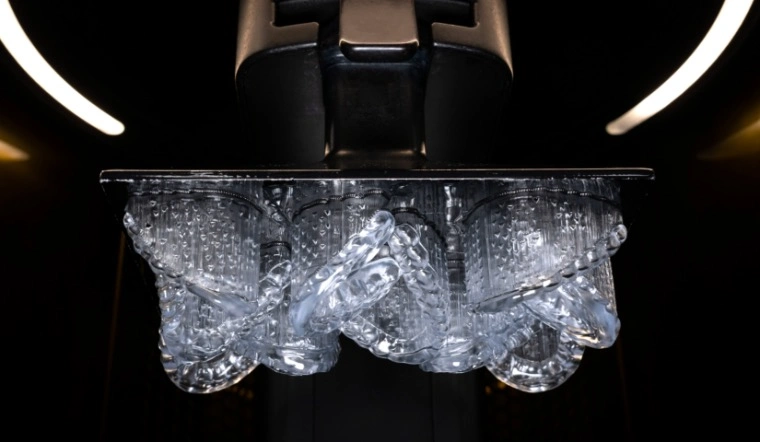
When a patient needs a full-arch or multi-tooth implant solution, multi unit abutment restorations are often the most reliable path forward. These restorations connect implant-supported prosthetics to the underlying implant fixtures using angled or straight abutment components. As a result, dentists can achieve precise occlusal alignment even in challenging cases.
At Dentek Digital, we fabricate multi unit abutment restorations using advanced CAD/CAM technology. Our digital workflow allows us to deliver components with exceptional accuracy. Therefore, your restorations fit better and your patients experience more predictable outcomes.
We work with dental practices across Greater Phoenix — including Scottsdale, Chandler, Mesa, and Tempe — and we also support dentists in other markets, including Coral Gables, FL. In this post, we’ll walk you through what makes our multi-unit abutment solutions stand out and why the digital approach matters.
What Are Multi-Unit Abutment Restorations?
Multi-unit abutments are specialized components used in implant-supported prosthetics. They are placed on top of dental implants and provide a platform for attaching a fixed bridge or full-arch restoration. Additionally, they allow clinicians to correct angulation discrepancies between implants.
These abutments come in angled variations — typically ranging from straight to several degrees of angulation. Because of this, they give the restorative team more flexibility when implant positions are not perfectly parallel. This is especially valuable in full-arch cases like All-on-4 or All-on-6 protocols.
How They Differ from Standard Abutments
Standard abutments support single-crown restorations. Multi-unit abutments, on the other hand, are designed to support multi-tooth prosthetics across a span of implants. Furthermore, they typically use a smaller profile that allows the restoration to seat closer to the tissue level.
This lower profile improves esthetics and makes hygiene easier for patients. Moreover, multi-unit abutments are engineered to handle the greater occlusal forces that come with full-arch restorations.
Common Clinical Applications
- All-on-4 and All-on-6 restorations — full-arch fixed prosthetics supported by four or six implants
- Implant-supported bridges — spanning multiple missing teeth with two or more implants
- Hybrid dentures — screw-retained prosthetics that combine denture-like coverage with implant stability
- Immediate load protocols — provisional restorations placed the same day as surgery
Each of these applications demands precise fabrication. Therefore, working with a digital dental lab is a significant advantage.
The CAD/CAM Advantage in Multi-Unit Cases
Digital fabrication has transformed how dental labs approach complex implant cases. At Dentek Digital, we were among the earliest adopters of CAD/CAM workflows in the country. As a result, we have deep experience applying this technology to multi-unit abutment restorations.
Traditional analog workflows rely heavily on manual processes. These processes can introduce variability at every step. However, digital workflows reduce that variability by using precise 3D data from the start.
From Scan to Restoration
The process begins with a digital impression or scan. Next, our technicians use CAD software to design the abutment components and the overlying restoration. Then, milling machines fabricate the components from high-quality materials with tight tolerances.
This digital chain means fewer remakes and faster turnaround. Additionally, each restoration is designed to match the patient’s specific anatomy and the implant system being used. The result is a more predictable fit and a more efficient delivery process for the dentist.
Material Options for Multi-Unit Restorations
Material selection matters in full-arch implant cases. Furthermore, the right material depends on the patient’s bite forces, esthetic goals, and the type of restoration planned.
- Zirconia — highly durable and excellent for full-arch fixed restorations; available in monolithic and layered options
- Acrylic and PMMA — commonly used for provisional and immediate-load restorations
- Titanium frameworks — used as a substructure beneath veneered or acrylic full-arch prosthetics
- Hybrid materials — composites that offer a balance of strength and shock absorption
Our team helps you select the right material for each patient’s case. Because of this, you can feel confident that the restoration will perform well over time.
Why Precision Matters in Multi-Unit Abutment Cases
Multi-unit cases are among the most demanding restorations in implant dentistry. Passive fit is critical. In other words, the restoration must seat onto all implant abutments simultaneously without introducing stress to the implant fixtures.
Even minor inaccuracies can cause complications. For example, a poorly fitting restoration can lead to screw loosening, implant overload, or bone loss over time. Therefore, digital fabrication is not just a convenience — it is a clinical advantage.
Passive Fit and Why It’s Non-Negotiable
Achieving passive fit across a full arch is challenging. The longer the span, the more important accuracy becomes. Additionally, patient anatomy, tissue levels, and implant positioning all affect how a restoration fits.
Our CAD/CAM process uses precise measurements from the initial scan to model the restoration in 3D before a single component is milled. As a result, we catch potential fit issues at the design stage — not at chairside.
Verification Jigs and Try-In Steps
Many multi-unit cases benefit from a verification jig or framework try-in before the final restoration is completed. First, the jig confirms passive fit at the implant level. Next, any adjustments are made before the final prosthetic is fabricated. Then, the dentist can deliver the final restoration with confidence.
We support this workflow at every step. Moreover, our team communicates with your practice throughout the case to ensure alignment at each stage.
Supporting Dentists Beyond the Greater Phoenix Area
Dentek Digital is based in Phoenix, Arizona, and serves practices throughout the Greater Phoenix area — including Scottsdale, Mesa, Tempe, Chandler, and Gilbert. However, our digital workflow allows us to support dentists nationally, including practices in Coral Gables, FL.
Because our process is fully digital, distance is not a barrier. Dentists can submit scans electronically and receive finished restorations shipped directly to their practice. Furthermore, our team is available to consult on cases at any stage of treatment planning.
How to Send a Case to Dentek Digital
Getting started is straightforward. First, take a digital impression or scan using your intraoral scanner. Next, export the scan files in a compatible format and submit them through our case submission portal. Then, our technicians review the case and follow up with any questions before fabrication begins.
We also accept physical impressions when digital scans are not available. Additionally, we work with a wide range of implant systems, so you don’t need to change your existing protocols to work with us.
Frequently Asked Questions About Multi-Unit Abutment Restorations
What implant systems does Dentek Digital support for multi-unit cases?
We work with a broad range of major implant systems. Additionally, we can accommodate most common platforms used in implant dentistry today. Contact our team for specifics about your preferred system.
How long does fabrication take for a multi-unit abutment restoration?
Turnaround time varies based on the complexity of the case and the materials involved. However, our digital workflow allows us to complete most cases efficiently. We will give you a clear timeline when your case is submitted.
Can I submit cases remotely from outside Arizona?
Yes. Our process is fully digital, so we support practices anywhere in the country. Dentists in Coral Gables, FL, and other markets outside Arizona can submit scan files electronically and receive restorations by mail.
What file formats do you accept for digital submissions?
We accept the most common scan file formats used by intraoral scanner manufacturers. Furthermore, our team can guide you through the submission process if you have questions about compatibility.
Do you offer provisional restorations for immediate-load protocols?
Yes. We fabricate provisional full-arch restorations in PMMA and other appropriate materials for immediate-load cases. These provisionals are designed to support osseointegration while maintaining patient function and esthetics.
Partner with Dentek Digital for Your Next Implant Case
Multi-unit abutment restorations require precision, experience, and a reliable fabrication partner. At Dentek Digital, we bring all three. Our team has supported complex implant cases for practices across Greater Phoenix — from Scottsdale to Chandler — and for dentists nationwide.
We combine CAD/CAM technology with skilled craftsmanship to deliver restorations that fit, function, and last. Moreover, we treat every case as a collaboration. We are here to support your clinical decisions, not just fabricate components.
If you are ready to elevate your implant workflow, contact Dentek Digital today to discuss your next multi-unit abutment case or send us a case to get started.