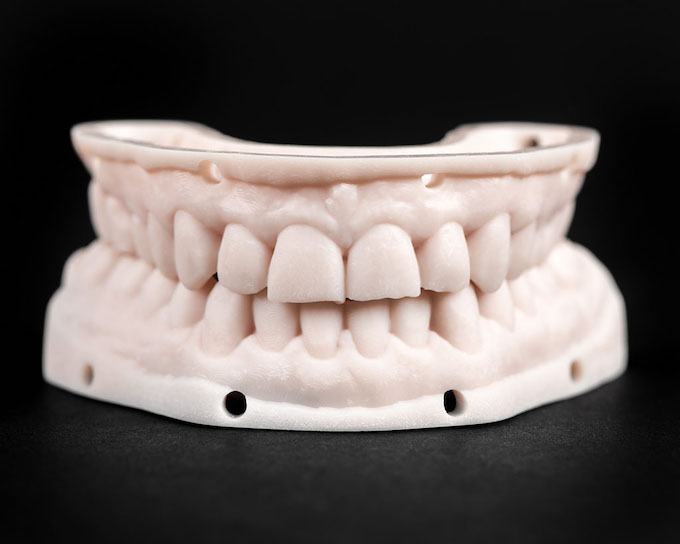
When a patient needs implant-supported restorations spanning multiple teeth, precision matters more than ever. Multi unit abutment restorations are a critical part of full-arch and complex implant cases. They connect the prosthetic restoration to the implant system with accuracy and stability.
Dentists across the country are turning to advanced digital labs for these restorations. However, not every lab has the technology or expertise to deliver consistent results. Dentek Digital, based in Phoenix, Arizona, specializes in exactly this type of complex, high-quality work.
Whether you practice in Pinecrest, FL or anywhere else in the country, our team is ready to support your most demanding implant cases. In this post, we break down what multi-unit abutment restorations involve, why digital fabrication matters, and how Dentek Digital delivers outstanding outcomes for dental practices.
What Are Multi-Unit Abutment Restorations?
Multi-unit abutments are connector components used in implant dentistry. They attach to implants and support a full-arch or multi-tooth prosthesis. Because of this, they play a foundational role in the stability and fit of the entire restoration.
These abutments come in various angulations. Therefore, they allow the restorative dentist to correct implant divergence and achieve a more ideal prosthetic angle. This flexibility is essential in full-arch cases where implant placement may vary.
Common Applications
Multi-unit abutment restorations are used in a range of implant-supported cases. For example, they are common in All-on-4 and All-on-X treatment protocols. They also appear in fixed implant bridges replacing several teeth in a quadrant or arch.
Additionally, these restorations support implant-retained overdentures in some cases. The key feature is that multiple implants work together to support one connected prosthetic structure. This demands exceptional precision at every stage of fabrication.
Why Precision Is Non-Negotiable
A poorly fitting multi-unit abutment restoration can create serious clinical problems. For example, it may cause stress on the implants, discomfort for the patient, or premature failure of the prosthesis. Furthermore, corrections after delivery are time-consuming and costly.
Because of this, digital fabrication has become the standard of care for these restorations. CAD/CAM technology allows labs to design and mill components with a level of accuracy that traditional methods simply cannot match. Moreover, digital workflows reduce human error at multiple steps.
How Dentek Digital Approaches Multi-Unit Abutment Cases
Dentek Digital is one of the most experienced digital dental labs in the country. We were among the earliest adopters of full digital CAD/CAM workflows in the United States. As a result, our team has developed a deep understanding of what it takes to fabricate complex implant restorations correctly.
We serve dental practices across the Greater Phoenix area, including communities like Scottsdale, Chandler, Mesa, and Tempe. However, our reach extends nationally. Practices throughout the country, including those in Florida, regularly send us their most complex cases.
Our Digital Workflow
Every multi-unit abutment case begins with a thorough review of the case documentation. First, our technicians evaluate the scan data, implant system specifications, and restorative goals. Then, we design the abutment structure using advanced CAD software.
Next, we mill the components from high-quality materials selected for strength and biocompatibility. Finally, each unit undergoes a detailed quality check before it leaves our lab. This process ensures that what arrives at your practice is ready to deliver.
Materials We Use
Material selection is a critical factor in multi-unit abutment restorations. We work with industry-leading materials that meet the demands of full-arch implant cases. For example, we commonly use titanium and zirconia depending on the clinical requirements.
Titanium offers exceptional strength and long-term performance in high-stress environments. On the other hand, zirconia provides excellent aesthetics for cases where tissue-level visibility is a concern. Our team helps guide material selection based on each unique case.
Why Dentists Choose Dentek Digital for Complex Implant Cases
Dental practices in Phoenix, Gilbert, Scottsdale, and beyond trust Dentek Digital for a simple reason. We combine cutting-edge technology with skilled, experienced lab technicians. Therefore, we deliver restorations that meet both clinical and aesthetic expectations.
Furthermore, our team communicates clearly with referring dentists throughout the process. We understand that complex cases require collaboration. Because of this, we make it easy to share case details, ask questions, and get updates at every stage.
Speed Without Sacrificing Quality
Turnaround time matters to busy dental practices. We understand that your patients are waiting. Therefore, we work efficiently without cutting corners on accuracy or quality.
Our digital workflow is optimized for speed at every stage. Additionally, clear case submission guidelines help us start fabrication faster. The result is a smoother experience for both the practice and the patient.
Compatibility With Leading Implant Systems
Multi-unit abutment cases involve a wide range of implant platforms. We work with components compatible with many of the major implant systems used in modern dental practices. As a result, dentists do not have to change their preferred systems to work with us.
If you have questions about system compatibility for a specific case, our team is happy to review the details. We encourage practices to reach out before submitting a complex case so we can align on expectations from the start.
Tips for Submitting a Successful Multi-Unit Abutment Case
Sending a complex implant case to a digital lab requires careful preparation. However, the process becomes straightforward once you know what to include. Here are some practical guidelines to help ensure a smooth case submission.
- Provide accurate scan data: High-quality intraoral or model scans are essential. Poor scan quality directly impacts the fit and accuracy of the restoration.
- Include implant system details: Specify the implant brand, platform, and multi-unit abutment type being used. This helps us select the correct components and design parameters.
- Document the occlusal relationship: Include bite registration or opposing arch scans. This is especially important in full-arch cases where occlusal harmony is critical.
- Communicate restorative goals clearly: Note any angulation corrections needed, vertical dimension considerations, or aesthetic priorities. The more detail you provide, the better we can serve you.
- Confirm material preferences: Let us know your material preferences upfront. If you are unsure, our technicians can recommend the best option based on the clinical situation.
Additionally, do not hesitate to include photos or notes about any unusual clinical findings. More information is always better when it comes to complex cases.
The Role of CAD/CAM Technology in Full-Arch Restorations
CAD/CAM stands for computer-aided design and computer-aided manufacturing. In dental labs, this technology allows technicians to design restorations digitally and mill them from solid material blocks with extreme precision. Moreover, it enables consistency across every unit produced.
For multi-unit abutment restorations, this precision is especially valuable. Full-arch cases involve multiple components that must fit together as a unified system. Therefore, even small inaccuracies can compound across the arch and affect the final outcome.
Digital Planning and Implant Coordination
Dentek Digital also offers advanced digital implant planning services. This allows referring dentists to plan implant positions with the final restoration in mind. As a result, the surgical and prosthetic phases of treatment are better aligned from the beginning.
Practices in Mesa, Tempe, Chandler, and Scottsdale have used this service to improve predictability in complex full-arch cases. Furthermore, digital planning documentation can be shared easily between the surgeon, restorative dentist, and lab. This collaboration leads to better outcomes.
TattooTH and Advanced Aesthetic Solutions
In addition to standard restorations, Dentek Digital offers TattooTH, our advanced aesthetic solution for implant restorations. This technology enhances the lifelike appearance of prosthetic components. It is particularly useful in cases where aesthetics are a high priority.
For multi-unit cases involving the anterior region, appearance matters as much as function. Therefore, we offer solutions that address both needs simultaneously. Our team can discuss whether TattooTH is appropriate for a specific case.
Frequently Asked Questions About Multi-Unit Abutment Restorations
What types of cases require multi-unit abutments?
Multi-unit abutments are most commonly used in full-arch implant cases such as All-on-4 or All-on-X protocols. They are also used in multi-tooth implant bridges. Additionally, they help correct implant angulation when ideal placement is not achievable.
How do I know which material is right for my patient?
Material selection depends on the clinical requirements and aesthetic goals of the case. Titanium is often preferred for its strength in high-load situations. Zirconia is a good option when tissue-level visibility is a concern. Our team can help you evaluate the best choice.
Can Dentek Digital work with my preferred implant system?
We work with components compatible with many major implant platforms. However, we recommend contacting our team before submitting a case to confirm compatibility. This helps avoid delays and ensures a smooth fabrication process.
How long does fabrication take for a multi-unit abutment restoration?
Turnaround time varies depending on the complexity of the case and the materials used. We work efficiently to meet practice scheduling needs. Contact our team when submitting your case, and we will provide a realistic timeline.
What file formats do you accept for digital case submissions?
We accept standard digital scan file formats used by major intraoral scanner systems. If you are unsure whether your file format is compatible, our team is happy to assist. We want to make the submission process as easy as possible for your practice.
Partner With Dentek Digital for Your Most Complex Cases
Multi-unit abutment restorations require a lab that understands both the technology and the clinical demands of implant dentistry. Dentek Digital brings both to every case we fabricate. Furthermore, our commitment to quality means you can trust what arrives at your practice.
We proudly serve dental practices in Phoenix, Scottsdale, Mesa, Tempe, Chandler, Gilbert, and across the country. Whether you are in the Greater Phoenix area or a practice in Pinecrest, FL, we are ready to support your implant cases with precision and care.
Ready to get started? Contact Dentek Digital today to discuss your case and experience the difference a true digital lab partner can make for your practice and your patients.