Managing complex implant cases takes time, precision, and the right lab partner. Multi unit abutment restorations are among the most technically demanding services in modern implant dentistry. Therefore, partnering with a trusted digital dental lab can make a significant difference in both your workflow and patient outcomes.
Dentek Digital serves dental practices throughout the Greater Phoenix area, including South Scottsdale and surrounding communities. We specialize in advanced CAD/CAM fabrication for implant-supported restorations. As a result, our team delivers the accuracy and consistency your cases demand.
If your practice is ready to outsource this work to a reliable partner, this guide walks you through everything you need to know. Furthermore, it explains why digital fabrication is now the standard for multi-unit implant cases.
What Are Multi-Unit Abutment Restorations?
Multi-unit abutments are small connectors that attach directly to implant fixtures. They create a stable platform for full-arch or multi-tooth restorations. Moreover, they allow the lab to design and deliver prosthetics with precise angulation and fit.
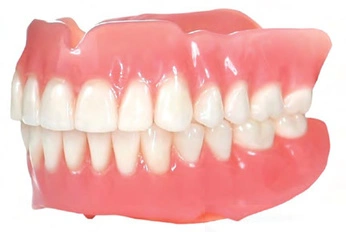
These restorations are commonly used in cases involving significant tooth loss. For example, an edentulous patient may receive a full-arch bridge seated on four or six implants. In addition, they are frequently used in implant overdenture cases and hybrid prosthetics.
Why These Cases Require Precision
Even a small misalignment across multiple implant positions creates a cascade of problems. Therefore, the accuracy of each component matters enormously. Passive fit is the goal, and achieving it requires both skilled design and high-quality materials.
Digital workflows give labs the tools to achieve that fit consistently. CAD/CAM software maps the exact position of each implant. As a result, the abutment and restoration can be engineered to match rather than adjusted chairside.
Common Restoration Types Built on Multi-Unit Abutments
- Full-arch fixed bridges — also known as implant-supported full bridges
- Hybrid prosthetics — combining a metal or zirconia framework with denture teeth
- Implant overdentures — removable restorations retained by abutment attachments
- Screw-retained crowns and bridges — fixed restorations that do not rely on cement
Each of these options requires different lab considerations. However, the foundation is the same: accurate abutment design and reliable fabrication.
Why South Scottsdale Dentists Are Outsourcing to Digital Labs
South Scottsdale is home to a growing number of dental practices serving a diverse and demanding patient population. Additionally, the area continues to see increased interest in full-arch implant solutions. Because of this, many practices are looking for a lab partner that can keep up with complex case volume.
In-house fabrication of multi-unit cases is not practical for most dental offices. First, the equipment investment is substantial. Next, the learning curve is steep. Finally, maintaining consistent quality across different case types is a full-time challenge in itself.
The Benefits of Outsourcing to a Digital Lab
Outsourcing your multi-unit abutment cases brings several immediate advantages. Furthermore, it allows your clinical team to stay focused on patient care rather than lab production.
- Consistent quality — every case is fabricated to the same high standard
- Faster turnaround — digital workflows reduce production time significantly
- Material options — access to zirconia, titanium, and PEEK frameworks
- Scalability — handle more complex cases without adding in-house staff
- Expert support — work with technicians who specialize in implant prosthetics
Dentek Digital has built its reputation on exactly these benefits. Moreover, we have served Arizona dental professionals since the early days of digital CAD/CAM dentistry.
Serving Practices Across the Greater Phoenix Area
We regularly work with practices in South Scottsdale, Tempe, Mesa, Chandler, and throughout the Phoenix metro. Therefore, local dentists benefit from quick case communication and reliable delivery. Additionally, our team understands the types of cases common in this region and designs accordingly.
Whether your practice is located near Old Town Scottsdale or further east toward Gilbert, we make the outsourcing process simple. In addition, our case submission system is fully digital, so you can send scans and instructions without delay.
How Dentek Digital Fabricates Multi-Unit Abutment Restorations
Our process begins with your digital scan or impression. We accept files from all major intraoral scanners and work directly with your scan data. As a result, we eliminate the distortions that can occur with traditional impressions.
Once we receive your case, our design team maps the implant positions and plans the restoration digitally. We use advanced CAD software to engineer precise abutment geometry. Moreover, every component is verified before milling begins.
Materials We Use
Dentek Digital uses only high-grade dental materials for implant cases. For example, our zirconia frameworks are milled from premium-grade blanks and sintered to tight tolerances. Additionally, our titanium components are sourced to meet strict laboratory standards.
- Zirconia — ideal for aesthetic full-arch bridges and hybrid cases
- Titanium — used for frameworks requiring maximum strength and biocompatibility
- PEEK — a lightweight option often used in transitional or overdenture cases
- Acrylic and composite — used for denture teeth in hybrid prosthetics
We match material selection to the clinical requirements of your case. Furthermore, we are happy to discuss material options with your team before fabrication begins.
Our CAD/CAM Workflow in Detail
First, we receive and evaluate your digital case file. Next, our technicians design the restoration using specialized implant prosthetics software. Then, our milling units produce the components with high dimensional accuracy. Finally, each piece is finished, verified, and shipped to your practice.
This structured workflow keeps every case on track. Additionally, it gives your team a reliable timeline to communicate to patients.
Tips for Submitting a Multi-Unit Abutment Case
Submitting a well-documented case makes a significant difference in the final result. Therefore, it is worth taking a few extra steps before sending your scan. Here are some practical guidelines to follow.
- Use scan bodies that correspond to the implant system you placed. Accurate implant position data is essential.
- Include occlusal records whenever possible. This helps us design the vertical dimension correctly.
- Send clear photos of the patient’s smile and facial profile for full-arch aesthetic cases.
- Specify the retention preference — screw-retained or cement-retained — before fabrication starts.
- Note any cantilever extensions or unusual anatomy that may affect framework design.
Our team reviews every incoming case carefully. However, the more information you provide upfront, the smoother the process will be. In addition, we may reach out with questions if anything is unclear before we begin.
What to Expect After You Submit
After submission, our team reviews the file and confirms receipt. Meanwhile, we flag any missing information before design begins. You will receive updates as your case moves through production. As a result, there are no surprises at delivery.
We also offer case consultations for practices newer to full-arch implant prosthetics. Therefore, do not hesitate to reach out before submitting if you have questions about the process.
Frequently Asked Questions
What implant systems do you support for multi-unit cases?
We support a wide range of implant systems and can work with scan body data from all major platforms. Additionally, we keep an extensive library of implant connections in our CAD software. Contact us with your specific system and we will confirm compatibility quickly.
Can you fabricate a provisional restoration while the final case is in production?
Yes. We can design and mill provisional restorations as part of your case workflow. Moreover, starting with a provisional allows for esthetic and functional evaluation before the final piece is committed to permanent material. This is especially helpful on complex full-arch cases.
Do you work with practices outside of Scottsdale?
Absolutely. We serve dental practices across the Greater Phoenix metro, including Tempe, Mesa, Chandler, Gilbert, and beyond. Furthermore, because our workflow is fully digital, location is not a barrier. We ship cases efficiently throughout Arizona.
How do I send scan files to Dentek Digital?
We accept digital case submissions through our online case portal. Most intraoral scanner software can export files directly. In addition, our team can walk you through the submission process if you are submitting a case for the first time.
What makes digital fabrication better than traditional methods for these cases?
Digital fabrication eliminates many of the variables that affect traditional lab work. For example, dimensional accuracy is achieved through software and milling rather than manual waxing and casting. As a result, passive fit is more predictable, and remakes are far less common with a well-designed digital workflow.
Partner With Dentek Digital for Your Implant Cases
Dentek Digital is one of Arizona’s most experienced digital dental labs. We were among the earliest adopters of CAD/CAM technology in the country. Therefore, we bring deep expertise to every multi-unit abutment restoration we fabricate.
Our lab serves South Scottsdale and the entire Greater Phoenix area with precision-milled restorations and dedicated case support. Moreover, we combine advanced technology with skilled craftsmanship to deliver results you and your patients can count on.
Ready to simplify your implant workflow? Contact Dentek Digital today to send us a case or discuss your next multi-unit restoration with our team. We look forward to becoming your trusted lab partner in the Phoenix metro.