
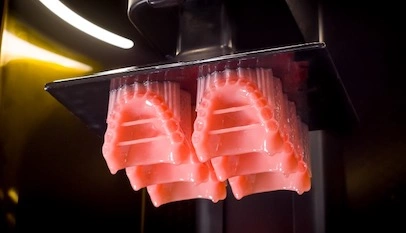
When it comes to implant restorations, zirconia implant crowns have become one of the most trusted solutions in modern dentistry. They offer a remarkable combination of strength, biocompatibility, and natural-looking esthetics. For dental practices that demand the best, the material and fabrication process matter enormously.
At Dentek Digital, we fabricate zirconia implant crowns using advanced CAD/CAM technology. Our lab is based in Phoenix, Arizona, and we serve dental professionals across the Greater Phoenix area. We are recognized as a national leader in digital dentistry — and for good reason.
Whether you are a general dentist or a specialist, understanding zirconia implant crowns helps you serve your patients better. Therefore, this guide covers everything you need to know about this restoration type, from material properties to workflow advantages.
What Are Zirconia Implant Crowns?
Zirconia is a ceramic material known for exceptional durability and a tooth-like appearance. Implant crowns made from zirconia sit on top of a dental implant fixture. They replace the visible portion of a missing tooth above the gumline.
Additionally, zirconia is metal-free. This makes it an ideal choice for patients with metal sensitivities or those who simply prefer an all-ceramic restoration. The material also resists staining better than many alternatives.
How Zirconia Differs from Other Crown Materials
Many dental practices still use porcelain-fused-to-metal (PFM) crowns. However, zirconia offers distinct advantages. For example, zirconia does not have a dark metal margin that can show near the gumline over time.
Moreover, zirconia crowns are milled as a single solid unit in most cases. This reduces the risk of chipping that can occur with layered porcelain. As a result, they tend to perform well in both anterior and posterior implant cases.
Types of Zirconia Used in Implant Restorations
Not all zirconia is the same. High-strength zirconia works well for posterior crowns where bite forces are greatest. On the other hand, high-translucency zirconia provides superior esthetics for front teeth.
Furthermore, multi-layered zirconia blends strength and translucency across the crown. This makes it a versatile option for many implant cases. Our lab selects the appropriate zirconia grade based on the clinical requirements of each case.
The CAD/CAM Advantage in Zirconia Crown Fabrication
CAD/CAM stands for Computer-Aided Design and Computer-Aided Manufacturing. This technology allows dental labs to design and mill restorations with exceptional precision. At Dentek Digital, we were among the earliest adopters of this workflow in the United States.
Because of this early adoption, our team has developed deep expertise in digital fabrication. We understand how to optimize designs for fit, function, and esthetics. Every zirconia implant crown we produce reflects that experience.
Digital Scanning and Design
The digital workflow begins with a scan. Dentists in Phoenix, Scottsdale, Chandler, and Mesa increasingly use intraoral scanners to capture precise digital impressions. These scans come directly to our lab for crown design.
Next, our technicians use advanced software to design the crown. They consider occlusion, emergence profile, and esthetic goals. Then the design file goes directly to a milling machine for fabrication.
Precision Milling and Finishing
Our milling units carve the zirconia crown from a pre-shaded block. This process is highly accurate and repeatable. As a result, margins fit precisely and adjustments at chairside are minimal.
After milling, technicians refine and characterize the crown. Staining and glazing enhance the natural appearance. Finally, the crown goes through a sintering process that hardens the zirconia to its final strength.
Why Dental Practices Choose Zirconia Implant Crowns
Dental professionals across the Greater Phoenix area are choosing zirconia for their implant patients. The reasons are straightforward. Patients want restorations that look natural and last long. Zirconia delivers on both counts.
In addition, the digital workflow reduces turnaround time. Practices in Tempe, Gilbert, and surrounding communities benefit from faster case delivery without sacrificing quality. This keeps patient schedules on track and practice workflows running smoothly.
Esthetic Benefits for Patients
Zirconia closely mimics the light transmission of natural teeth. Therefore, it blends seamlessly with adjacent dentition. Patients are often surprised by how natural their implant crown looks.
Moreover, the gingival response to zirconia is generally favorable. The material is biocompatible and does not irritate soft tissue. This is especially important in esthetic zones where healthy-looking gums frame the restoration.
Functional Benefits for Long-Term Performance
Zirconia implant crowns perform well under the functional demands of daily chewing. They resist wear and fracture better than many other ceramic materials. Additionally, they do not corrode like metal-containing restorations can over time.
For patients who grind their teeth, zirconia provides added reassurance. However, a nightguard is still recommended in bruxism cases. Our lab also fabricates custom splints and nightguards for exactly this purpose.
Dentek Digital’s Implant Crown Workflow
Working with Dentek Digital is straightforward. Our process is designed to support dental practices of all sizes. We serve practices throughout the Phoenix metro area, including communities in Scottsdale, Chandler, Mesa, and Tempe.
We accept digital scans directly from your intraoral scanner. We also work with traditional impressions when needed. Our team communicates proactively throughout the case to ensure the final restoration meets your expectations.
What to Include When Sending a Case
A successful zirconia implant crown case starts with complete information. Here is what helps our team deliver the best result:
- Digital scan or PVS impression of the implant site and opposing arch
- Implant system and component information, including the implant brand and platform
- Shade prescription or reference photos for esthetic cases
- Occlusal notes, including any parafunctional habits
- Restoration type preference, such as screw-retained or cement-retained
Additionally, clear photos of the patient’s smile and adjacent teeth help our technicians match the natural dentition. The more detail you provide, the better we can customize the outcome.
Screw-Retained vs. Cement-Retained Options
Both screw-retained and cement-retained zirconia implant crowns have their advantages. Screw-retained designs allow for retrievability, which many clinicians prefer. Meanwhile, cement-retained crowns can be easier to place in certain anatomical situations.
Our team can fabricate either option depending on your clinical preference. We also offer custom titanium abutments and stock abutment-based solutions. Therefore, we accommodate a wide range of implant systems and clinical scenarios.
Tips for Dentists Working with Implant Crown Cases
Digital dentistry continues to evolve rapidly. Here are some practical tips to help your implant crown cases go smoothly:
- Capture the scan early: A scan taken after tissue healing gives the most accurate emergence profile.
- Verify implant compatibility: Always confirm the implant system and connection type before submitting the case.
- Communicate shade preferences clearly: Include photos and shade tabs whenever possible.
- Consider the occlusion: Note any heavy contacts or bruxism history on the prescription form.
- Plan for retrievability: Discuss screw-retained options with your lab for easier future access.
Furthermore, staying current with your scanner software updates helps ensure scan accuracy. Most modern intraoral scanners perform reliably when maintained properly. Our team is always available to discuss technical questions about your digital workflow.
Frequently Asked Questions About Zirconia Implant Crowns
How strong are zirconia implant crowns compared to other materials?
Zirconia is one of the strongest ceramic materials used in dentistry. It performs well in both anterior and posterior positions. However, the specific grade of zirconia selected affects the balance between strength and translucency.
Can zirconia implant crowns be color-matched to natural teeth?
Yes. High-translucency and multi-layered zirconia can be shaded and characterized to closely match adjacent teeth. Providing clear photos and a shade prescription helps our lab achieve the most accurate match.
How long does it take to receive a zirconia implant crown from Dentek Digital?
Turnaround time varies depending on the complexity of the case. However, our digital workflow is designed to be efficient. Contact our team directly for current lead times on implant crown cases.
What implant systems does Dentek Digital support?
We work with a wide range of implant systems and connection types. When submitting a case, simply include the implant brand, model, and platform size. Our team will confirm compatibility and select the appropriate components.
Do you offer digital implant planning in addition to crown fabrication?
Yes. Dentek Digital offers advanced digital implant planning services. This allows dental practices to plan implant placement with precision before surgery. It is a valuable tool for improving predictability and outcomes for your patients.
Partner with Dentek Digital for Zirconia Implant Crowns
Choosing the right dental lab partner makes a real difference in patient outcomes. At Dentek Digital, we combine cutting-edge CAD/CAM technology with skilled craftsmanship. Our team is committed to delivering zirconia implant crowns that fit precisely and look outstanding.
We proudly serve dental practices throughout the Greater Phoenix area, including Scottsdale, Mesa, Chandler, Tempe, and Gilbert. Our digital-first approach streamlines the lab process and helps your practice run more efficiently.
Ready to elevate your implant restoration workflow? Contact Dentek Digital today to send us a case or discuss your next zirconia implant crown with our experienced team. We look forward to supporting your practice and your patients.