
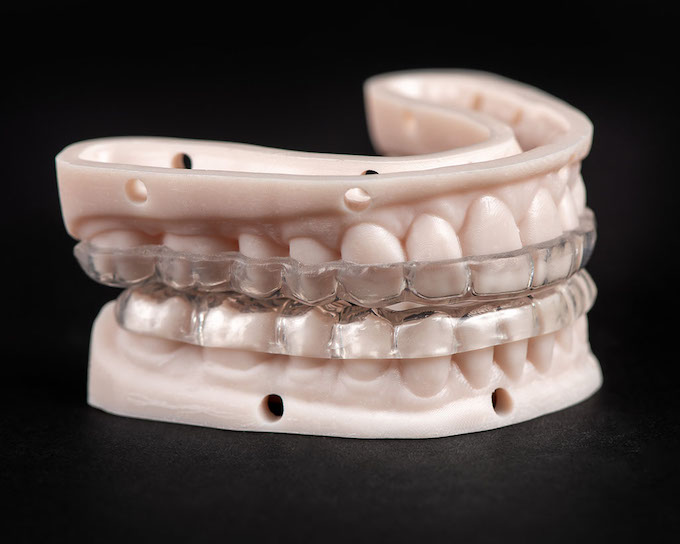
When a patient needs to replace a single missing tooth, the restoration has to be right the first time. Single unit implant crowns are one of the most precise and demanding restorations a dental lab can fabricate. Every detail matters — from the emergence profile to the occlusal fit. Because of this, the quality of the dental lab behind the restoration makes all the difference.
Dentek Digital is a digital dental lab based in Phoenix, Arizona. We are recognized as a national leader in digital dentistry and CAD/CAM dental restoration fabrication. We work with dentists and dental practices to deliver restorations that meet the highest standards of accuracy and esthetics.
In this post, we will walk through what makes single unit implant crowns uniquely challenging, how our digital workflow elevates the process, and why dental professionals across the country trust Dentek Digital to get it right.
What Are Single Unit Implant Crowns?
A single unit implant crown is a fixed dental restoration that replaces one missing tooth. It is attached to a dental implant that has been surgically placed in the jawbone. The crown sits on top of an abutment, which connects it to the implant fixture below the gumline.
Unlike a traditional crown, an implant crown has no natural tooth structure underneath it. Therefore, the lab must engineer the restoration to function independently. It must handle biting forces, fit precisely to the abutment, and blend seamlessly with the surrounding dentition.
Why Precision Is Non-Negotiable
A poor-fitting implant crown can cause serious problems. These include peri-implant tissue irritation, bone loss, and restoration failure. Additionally, a crown with a poor emergence profile can trap bacteria and compromise long-term outcomes.
Because of this, every single unit implant crown we fabricate at Dentek Digital goes through a rigorous digital quality process. We use advanced CAD/CAM technology to design and mill each restoration to exact specifications. The result is a precise, reliable fit that supports both patient health and clinical confidence.
The Dentek Digital CAD/CAM Workflow for Implant Crowns
Our workflow begins the moment we receive a case. We accept digital scans from leading intraoral scanner systems used by practices across the Greater Phoenix area, including communities like Scottsdale, Tempe, Chandler, and Mesa. If a digital scan is not available, we can work with traditional impressions as well.
Next, our skilled dental lab technicians import the scan data into our CAD software. They design the crown with careful attention to margins, contours, and occlusal anatomy. Then, the design is sent to our precision milling equipment for fabrication.
Materials We Use for Single Unit Implant Crowns
Material selection plays a critical role in implant crown success. We offer a range of high-performance materials to match each clinical situation. The right choice depends on the tooth location, esthetic demands, and occlusal load.
- Full-contour zirconia: Extremely durable and ideal for posterior implant crowns that face heavy biting forces.
- Layered zirconia: Combines strength with enhanced esthetic layering for anterior cases requiring more natural translucency.
- Lithium disilicate (e.max): A popular choice for anterior single unit implant crowns where esthetics are a priority.
- PFM (porcelain-fused-to-metal): A reliable, time-tested option still used in select clinical situations.
Furthermore, our technicians evaluate each case individually. We do not apply a one-size-fits-all approach. Instead, we recommend the material that best serves the patient’s functional and esthetic needs.
Screw-Retained vs. Cement-Retained Implant Crowns
One of the key decisions in implant crown fabrication is the retention method. Both screw-retained and cement-retained options have clinical advantages. However, understanding the differences helps dentists choose the right approach for each case.
Screw-Retained Implant Crowns
Screw-retained crowns attach directly to the implant or abutment using a screw. They are retrievable, which is a significant advantage. Additionally, there is no cement to worry about, reducing the risk of excess cement-related tissue complications.
These crowns require an access hole, which must be accounted for in the design. Our CAD technicians position the access hole for minimal esthetic impact while maintaining structural integrity.
Cement-Retained Implant Crowns
Cement-retained crowns offer certain esthetic advantages, particularly in anterior cases. They eliminate the access hole and can provide a cleaner occlusal surface. On the other hand, excess cement below the gumline is a known risk that requires careful clinical management.
At Dentek Digital, we can fabricate both styles with the same level of precision and attention to detail. We work closely with referring dentists in Gilbert, Tempe, and throughout the Phoenix metro area to ensure the selected retention method matches their clinical protocol.
Why Dentists Choose Dentek Digital for Implant Restorations
We were among the earliest adopters of the digital CAD/CAM workflow in the country. Because of this, our team has years of hands-on experience refining our processes for implant cases specifically. We understand the nuances that make implant restorations uniquely demanding.
Moreover, we combine rapidly evolving technology with genuine craftsmanship. Our technicians are not simply operating machines. They bring skilled, experienced judgment to every design decision. This combination of technology and expertise is what sets Dentek Digital apart.
Fast Turnaround Without Sacrificing Quality
Dental practices across Chandler, Mesa, Scottsdale, and the broader Phoenix area depend on reliable turnaround times. We understand that your patients are waiting. Therefore, we have optimized our workflow to deliver high-quality restorations efficiently.
Our digital process eliminates many of the delays associated with traditional lab workflows. As a result, you get a precise, esthetic single unit implant crown without the extended wait times.
Personalized Case Communication
We believe strong lab-to-dentist communication is essential. When you send us a case, our team reviews it carefully. If we have questions or notice anything that might affect the outcome, we reach out before fabrication begins.
This proactive approach helps avoid remakes and ensures that the final restoration meets your clinical expectations. Additionally, it reflects our commitment to being a true partner in your practice’s success.
Tips for Submitting a Strong Implant Crown Case
A high-quality single unit implant crown starts with a strong case submission. Here are some practical tips to help ensure the best possible outcome from our digital lab team.
- Use a high-quality intraoral scan: Make sure the scan captures the full emergence profile and surrounding soft tissue accurately.
- Include the implant library information: Always specify the implant system and abutment type. This helps us design with the correct connection geometry.
- Capture the opposing arch: A full opposing arch scan allows for accurate occlusal design and contact adjustment.
- Note the shade: Provide a clear shade selection or reference. For esthetic cases, photos are always helpful.
- Communicate your retention preference: Let us know whether you prefer screw-retained or cement-retained so we can plan the design accordingly.
Furthermore, do not hesitate to include clinical notes. The more context we have, the better we can serve your patient’s specific needs.
Frequently Asked Questions About Single Unit Implant Crowns
What is the typical turnaround time for a single unit implant crown?
Turnaround times vary depending on the material and case complexity. However, our digital workflow is designed to be efficient. Contact our team directly for current turnaround estimates based on your specific case.
Can Dentek Digital work with any implant system?
We work with a wide range of implant systems and maintain an extensive implant library. Additionally, we stay current with new systems as they become available. If you are unsure whether we support your system, simply reach out and we will confirm before you submit the case.
What if I am not sure which material is best for my patient?
Our team is happy to consult with you on material selection. We consider factors such as tooth position, esthetic demands, and occlusal load. Because of this collaborative approach, you can feel confident in the recommendation we provide.
Do you accept digital scans from all major intraoral scanners?
Yes. We accept digital scan files from leading intraoral scanner systems. If you have a specific scanner, contact us to confirm compatibility. We also accept traditional impressions if needed.
How does Dentek Digital ensure the crown will fit correctly?
Our CAD/CAM workflow uses precise digital data to design and mill every restoration. Our technicians review every case carefully before fabrication. Moreover, our quality control process verifies the restoration against the original scan data before it leaves our lab.
Partner With a Lab That Delivers
Single unit implant crowns demand precision, skill, and a commitment to excellence. At Dentek Digital, we bring all three to every case we fabricate. Our digital workflow, experienced technicians, and dedication to quality make us a trusted partner for dentists and practices throughout the Greater Phoenix area and beyond.
Whether you are in Scottsdale, Gilbert, Tempe, Chandler, or anywhere across the Phoenix metro, we are ready to support your implant cases with the quality and reliability your patients deserve.
Ready to get started? Contact Dentek Digital today to send us a case or request a consultation with our team. We look forward to partnering with you.