
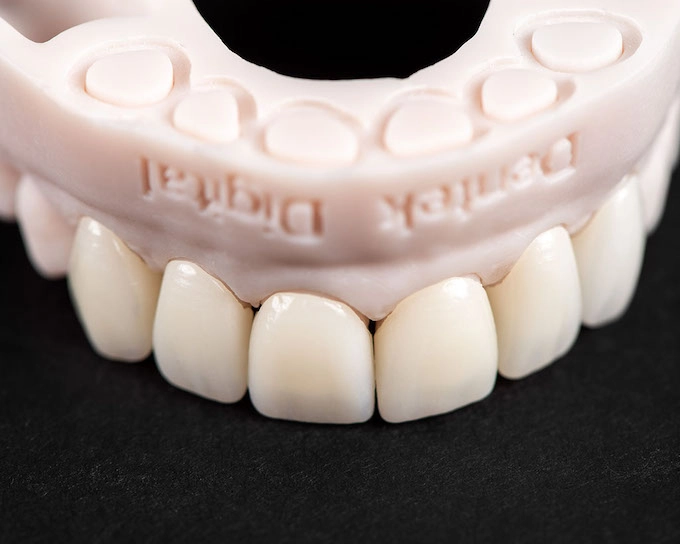
Dental implant restorations have changed the way dentists restore missing teeth. Single unit implant crowns are one of the most common and effective solutions available today. They replace a single missing tooth with a natural-looking, fully functional crown seated on a dental implant.
At Dentek Digital, we fabricate single unit implant crowns using advanced CAD/CAM technology. Our digital workflow allows us to deliver restorations with exceptional precision and consistency. Dental practices across the Greater Phoenix area trust us to support their patients with high-quality results.
Whether you are a dentist in Scottsdale, Mesa, Chandler, or Gilbert, understanding how digital implant crowns are made can help you make better decisions for your patients. This guide walks you through the process, the benefits, and what to look for in a dental lab partner.
What Are Single Unit Implant Crowns?
A single unit implant crown restores one missing tooth. It consists of a crown that attaches to a dental implant through an abutment. Together, these components function much like a natural tooth.
The crown is the visible part of the restoration. It is custom-fabricated to match the size, shape, and shade of the surrounding teeth. Therefore, patients benefit from both function and aesthetics.
How They Differ from Traditional Crowns
Traditional crowns sit on natural tooth structure. Implant crowns, on the other hand, connect to a titanium implant fixture in the jawbone. This distinction affects how the crown is designed and fabricated.
Additionally, the connection between the crown and the implant must be precise. Even minor inaccuracies can cause fit issues, discomfort, or complications. Because of this, digital fabrication plays a critical role in implant crown accuracy.
Common Materials Used
Most single unit implant crowns today are fabricated from zirconia or lithium disilicate. Zirconia is exceptionally strong and works well for posterior teeth. Lithium disilicate offers excellent aesthetics and is often preferred for anterior restorations.
Furthermore, layered or monolithic options are available depending on clinical needs. A skilled lab technician can guide material selection based on the case requirements.
The CAD/CAM Advantage in Implant Crown Fabrication
CAD/CAM stands for computer-aided design and computer-aided manufacturing. This technology transforms digital scans into precisely milled or printed restorations. As a result, the fit and form of each crown are highly accurate.
Dentek Digital was one of the earliest adopters of CAD/CAM workflows in the country. We have refined our digital process over many years. Today, our lab delivers restorations that meet the highest standards in the industry.
From Scan to Restoration
The process begins with a digital scan or impression from the dentist’s office. Next, our technicians import that data into our CAD software. They then design the crown digitally before sending it to our milling or printing equipment.
Finally, the restoration goes through finishing, glazing, and quality inspection. Every step is managed with precision and attention to detail. This workflow minimizes human error and improves consistency across every case.
Why Digital Workflows Improve Implant Outcomes
Digital workflows reduce variables that can lead to poor-fitting restorations. Moreover, they allow for faster turnaround times without sacrificing quality. Dentists in the Phoenix metro area can benefit from faster case completion and fewer remakes.
Additionally, digital records make it easier to replicate or modify restorations in the future. This is especially valuable for implant cases where long-term documentation matters.
What Dentists Should Look for in an Implant Crown Lab
Choosing the right dental lab partner is one of the most important decisions a practice can make. The quality of your restorations directly impacts patient satisfaction and clinical outcomes. Therefore, it is worth evaluating your lab carefully.
Here are key factors to consider when selecting a lab for single unit implant crowns:
- Digital capabilities: Does the lab use a fully digital CAD/CAM workflow?
- Material options: Can they fabricate in zirconia, lithium disilicate, and other modern materials?
- Turnaround time: Do they offer reliable, consistent delivery schedules?
- Implant system compatibility: Are they familiar with the implant systems your practice uses?
- Communication: Do they respond quickly and provide clear case feedback?
- Quality control: Do they have a documented inspection process before shipping?
A reliable lab partner acts as an extension of your clinical team. Meanwhile, a lab that struggles with consistency can create frustration for both dentists and patients.
Implant System Compatibility Matters
Not all implant systems are the same. Each has its own connection type and tolerances. Therefore, the lab you work with must have experience with the specific system you use in your practice.
At Dentek Digital, our technicians are well-versed in a wide range of implant platforms. We work closely with dentists to ensure each restoration is compatible and accurate. As a result, our cases fit reliably right from the start.
Serving Dentists Across the Greater Phoenix Area
Dentek Digital is based in Phoenix, Arizona. We proudly serve dental practices throughout the metro area and beyond. Our clients include practices in Scottsdale, Mesa, Tempe, Chandler, Gilbert, and surrounding communities.
We understand the needs of modern dental practices in our region. Additionally, we recognize that dentists want a lab that is responsive, consistent, and easy to work with. That is exactly what we aim to provide on every case.
Why Local and Regional Dentists Choose Dentek Digital
Many dental practices across the Phoenix metro area have made the switch to a digital lab workflow. Furthermore, those who partner with Dentek Digital benefit from our deep expertise and commitment to quality.
We combine advanced technology with skilled craftsmanship. However, technology alone does not produce great restorations. It takes experienced technicians who understand the nuances of each case. Our team brings both to every crown we fabricate.
If your practice is in Chandler or Gilbert and you are looking for a more consistent implant crown experience, we invite you to explore what Dentek Digital offers.
Tips for Submitting a Strong Implant Crown Case
A successful implant crown restoration starts with a well-prepared case submission. When dentists send clean, accurate data, the lab can produce the best possible result. Here are some practical tips to improve your case submissions:
- Use high-quality digital scans: Poor scan quality leads to inaccurate restorations. Take the time to capture clean margins and full arch data.
- Include shade information: Provide a clear shade map or reference photos when aesthetics are critical.
- Specify the implant system: Always include the implant brand, platform, and connection type.
- Indicate the restoration type: Specify whether the case is cement-retained or screw-retained.
- Communicate occlusion concerns: Note any bite issues or opposing restoration information that may affect crown design.
Moreover, open communication with your lab improves outcomes over time. A good lab will ask questions if something is unclear. In addition, they will provide feedback that helps your team improve case preparation.
Frequently Asked Questions About Single Unit Implant Crowns
How long does it take to fabricate a single unit implant crown?
Turnaround times vary depending on the case complexity and materials used. However, most digital labs can complete a single unit implant crown within a few business days. At Dentek Digital, we prioritize efficient workflows without compromising quality.
What implant systems does Dentek Digital work with?
We work with a wide range of implant systems and platforms. Additionally, we stay current with new systems as they enter the market. When submitting a case, simply include the implant details and we will confirm compatibility.
Is zirconia the best material for implant crowns?
Zirconia is an excellent choice for most implant crown cases due to its strength and durability. However, the best material depends on the location of the tooth, occlusal forces, and aesthetic requirements. Therefore, we recommend discussing material options with your lab before finalizing a case.
Can Dentek Digital handle screw-retained implant crowns?
Yes. We fabricate both cement-retained and screw-retained implant crowns. Furthermore, screw-retained designs are increasingly popular because they allow for easier retrieval. Our technicians are experienced with both connection styles.
How do I get started with Dentek Digital?
Getting started is straightforward. Simply reach out to our team and we will walk you through the onboarding process. We work with practices of all sizes across the Phoenix metro area, including those in Mesa, Tempe, and Scottsdale.
Partner with Dentek Digital for Precision Implant Crowns
Dentek Digital is recognized as a national leader in digital dentistry. We were among the first dental labs in the country to embrace the CAD/CAM workflow. Today, we continue to refine and improve our processes to serve our dental partners better.
Our team is passionate about crafting restorations that perform well and look natural. Moreover, we are committed to building long-term relationships with the dental practices we serve. Because of this, many of our clients have worked with us for years.
If you are looking for a trusted lab partner for single unit implant crowns, we are ready to help. Contact Dentek Digital today to send us a case or discuss your implant restoration needs with our experienced team.