
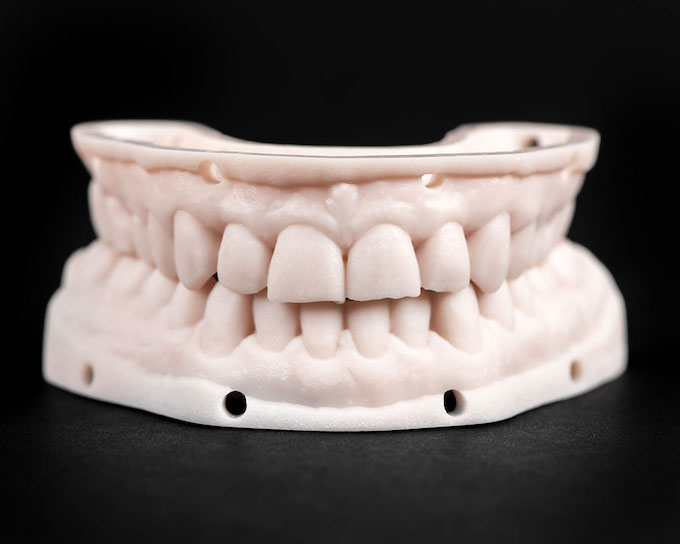
Dentists in Paradise Valley, AZ are raising the bar for implant restorations. Cement retained implant crowns have become a popular choice among dental practices looking for a streamlined, esthetic solution. They offer a natural appearance and a straightforward placement workflow that many clinicians prefer.
However, the quality of the final restoration depends heavily on the dental lab behind it. Choosing the right lab partner makes a significant difference in fit, esthetics, and long-term function. That is why so many dental practices across Greater Phoenix trust Dentek Digital.
At Dentek Digital, we combine advanced CAD/CAM technology with skilled craftsmanship. As a result, we consistently deliver implant crowns that meet the high standards Paradise Valley dentists expect. In this post, we will walk through everything you need to know about cement retained implant crowns and how we support your practice.
What Are Cement Retained Implant Crowns?
Cement retained implant crowns are fixed restorations placed over an implant abutment. The crown bonds to the abutment using dental cement. This approach differs from screw-retained crowns, which attach directly through a screw channel in the crown itself.
Because of this, cement retained crowns tend to offer several clinical advantages. They can be easier to place in certain arch positions. Additionally, they often provide a more esthetic result because there is no access hole to manage.
How the Restoration Is Fabricated
The process begins with a precise impression or digital scan of the implant site. Next, the lab designs the abutment and crown using CAD/CAM software. Finally, the restoration is milled or printed from high-quality materials and finished by skilled technicians.
At Dentek Digital, we use a fully digital workflow from start to finish. This means better accuracy, faster turnaround, and fewer remakes. Our team supports dentists in Paradise Valley, Phoenix, Scottsdale, and beyond.
Common Materials Used
Cement retained implant crowns can be fabricated from several materials. Each offers distinct benefits depending on the patient’s needs and location in the arch.
- Zirconia: Highly durable and esthetic, ideal for posterior and anterior cases
- PFM (Porcelain-Fused-to-Metal): A proven option with strong longevity
- Full-contour monolithic zirconia: Excellent for high-load posterior areas
- Layered zirconia: Superior esthetics for visible anterior restorations
Our team helps you select the right material for each clinical situation. Therefore, you can feel confident the restoration will perform and look exactly as intended.
Why Paradise Valley Dentists Choose Cement Retained Crowns
Paradise Valley is home to a discerning patient base. These patients expect restorations that look natural and feel completely comfortable. Cement retained implant crowns meet that expectation very well.
Furthermore, the placement process is familiar to many clinicians. The cementation technique mirrors what dentists already use for conventional crown placement. This makes the transition to implant restorations smoother for many practices.
Esthetic Advantages
One of the biggest benefits of cement retained crowns is the clean esthetic result. There is no screw access hole to fill or conceal. As a result, the crown looks virtually identical to a natural tooth.
For anterior cases especially, this is a major advantage. Patients in Paradise Valley and neighboring Scottsdale often prioritize smile esthetics. A seamless implant crown helps deliver the natural look they are seeking.
Clinical Simplicity
Cement retained crowns also simplify certain placement challenges. For example, implants placed at an angulation that would create a poor screw channel position are often better served with a cement retained approach. This gives the clinician more flexibility.
Additionally, the cementation process is well-understood and widely taught. Most dental teams are already comfortable with the steps involved. Therefore, the learning curve for this restoration type is relatively low.
The Dentek Digital Advantage for Implant Crowns
Dentek Digital has been at the forefront of digital dentistry since the early days of CAD/CAM technology. We were among the first labs in the country to adopt a fully digital workflow. That experience shows in every restoration we produce.
We serve dental practices across Greater Phoenix, including Mesa, Tempe, Chandler, and Paradise Valley. Our lab is built around precision, reliability, and true lab-to-practice partnership. Moreover, we are passionate about helping dentists deliver outstanding patient outcomes.
Fully Digital CAD/CAM Workflow
Our CAD/CAM process starts the moment we receive your case. We design each restoration digitally using advanced software tools. Then, our milling equipment fabricates the crown with exceptional accuracy.
Because of this, we consistently achieve tight marginal fits and excellent occlusal results. Fewer adjustments are needed chairside. As a result, your team saves time and your patients enjoy a smoother appointment experience.
Precision Abutment Design
The abutment plays a critical role in the success of a cement retained crown. It must be the right height, taper, and emergence profile. A poorly designed abutment can compromise the final result.
At Dentek Digital, we design custom abutments using digital data from your scan or impression. We account for tissue contours, occlusion, and esthetic demands. Therefore, every cement retained implant crown we produce is built on a solid, well-engineered foundation.
Consistent Quality You Can Count On
We understand that dentists need a lab partner they can rely on case after case. That is why we maintain rigorous quality standards throughout our fabrication process. Every restoration is checked before it leaves our lab.
Furthermore, our team is always available to discuss complex cases. We welcome collaboration and communication at every stage. This is what true dental lab partnership looks like.
Practical Tips for Cement Retained Implant Crown Cases
Getting the best outcome from a cement retained implant crown starts long before the crown arrives. Here are some practical tips for dental practices submitting these cases to a digital lab.
- Use accurate digital scans: A high-quality intraoral scan gives the lab the best foundation for crown design
- Capture the implant position precisely: Use a scan body that matches your implant system exactly
- Document the tissue level: Sharing tissue contour details helps us design the ideal emergence profile
- Communicate esthetic goals clearly: Include shade information and any specific patient preferences
- Note the occlusal contacts: Share bite records or opposing scans to support accurate occlusal design
Following these steps helps ensure the lab can fabricate a restoration that fits beautifully and performs reliably. Additionally, clear communication reduces delays and remakes for your practice.
Serving Paradise Valley and Greater Phoenix Dental Practices
Paradise Valley sits in the heart of Greater Phoenix, surrounded by communities like Scottsdale, Phoenix, and Tempe. Dental practices throughout this region deserve a lab partner who understands their standards and their patients.
Dentek Digital was built to serve exactly this market. We know that practices in Paradise Valley and surrounding areas demand precision and a high level of esthetic quality. Moreover, we understand the pace of a busy dental practice and work to support your schedule.
Whether your practice is in Paradise Valley, Chandler, Mesa, or anywhere across Greater Phoenix, we are ready to support your implant cases. Our team is experienced, responsive, and committed to your success.
Frequently Asked Questions About Cement Retained Implant Crowns
What is the difference between cement retained and screw retained implant crowns?
Cement retained crowns bond to the abutment using dental cement. Screw retained crowns attach via a screw through the crown. Each has clinical advantages depending on the case. Your lab partner can help you determine the best option.
Are cement retained implant crowns difficult to retrieve if needed?
Retrievability is a known consideration with cement retained restorations. However, in many cases, retrieval is manageable when the cementation is done carefully. Your clinical technique and cement selection both play a role.
Can Dentek Digital work with any implant system?
Yes. We work with a wide range of implant systems. We design restorations to match the specific platform and connection type you use. Therefore, compatibility is rarely a concern when working with our team.
How long does it take to receive a cement retained implant crown from Dentek Digital?
Turnaround times vary depending on case complexity and material selection. However, our digital workflow allows us to work efficiently. Contact our team directly to discuss your timeline needs.
Does Dentek Digital offer implant planning services in addition to crown fabrication?
Yes. We offer digital implant planning as part of our advanced services. This can help support better implant placement decisions before the restoration phase even begins. It is one more way we add value for our dental practice partners.
Partner With Dentek Digital for Your Implant Restoration Needs
Cement retained implant crowns require precision at every step. From abutment design to final polish, every detail matters. Working with an experienced, fully digital dental lab gives your practice the best foundation for success.
Dentek Digital is proud to serve dental practices in Paradise Valley, Scottsdale, Phoenix, Mesa, and throughout Greater Phoenix. Our team brings deep expertise in digital implant restorations and a genuine commitment to your practice’s growth.
If you are ready to elevate your implant crown workflow, we would love to connect. Contact Dentek Digital today to send us a case or to discuss how we can support your next implant restoration. We look forward to partnering with you.