
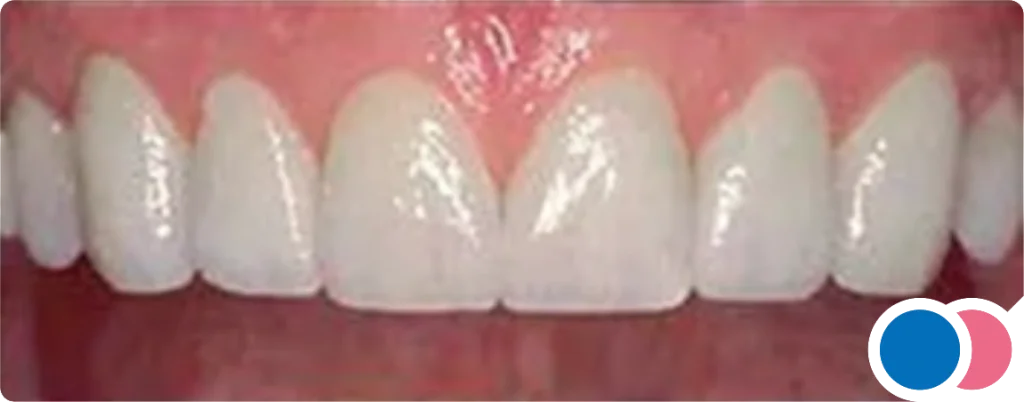
Dental implant restorations have come a long way. Today, screw retained implant crowns are one of the most preferred solutions among restorative dentists. They offer reliable retention, clean emergence profiles, and easy retrievability when adjustments are needed.
At Dentek Digital, we fabricate screw retained implant crowns using advanced CAD/CAM technology. Our digital workflow produces restorations that fit precisely and perform consistently. We serve dental practices across the Greater Phoenix, Arizona area, including communities like Scottsdale, Mesa, Chandler, and Gilbert.
Whether you are placing your first implant crown or refining a complex full-arch case, understanding this restoration type helps you make better clinical decisions. This guide walks you through what screw retained crowns are, how they compare to cement retained options, and why a digital lab workflow makes a difference.
What Are Screw Retained Implant Crowns?
A screw retained implant crown is a prosthetic tooth that attaches directly to an implant fixture using a screw. There is no cement involved. Instead, the crown threads onto the implant or abutment and is secured from within the restoration itself.
This design gives dentists direct control over the restoration. Because no cement is used, the risk of excess cement in the sulcus is eliminated. Additionally, the crown can be removed and reseated without damaging surrounding tissue or the restoration itself.
How the Screw Access Channel Works
The screw access channel is a small opening on the occlusal or lingual surface of the crown. This is where the screw is inserted and tightened. After placement, the channel is filled with composite or a similar material.
Modern CAD/CAM design allows labs like Dentek Digital to position the access channel precisely. Therefore, the channel can often be placed in a minimally visible location. This keeps the restoration both functional and esthetically clean.
Monolithic vs. Layered Screw Retained Crowns
Screw retained crowns come in different material configurations. Monolithic zirconia is a popular choice because of its strength and durability. On the other hand, layered restorations combine a zirconia or metal substructure with porcelain for enhanced esthetics.
Your clinical situation guides the best choice. For posterior implants in high-load areas, monolithic zirconia is often preferred. For anterior cases where esthetics are the priority, layered options may be more appropriate.
Screw Retained vs. Cement Retained: Key Differences
Both restoration types have their place in implant dentistry. However, the conversation around retrievability and tissue health has shifted many clinicians toward screw retained designs. Understanding the differences helps you choose the right approach for each case.
Retrievability and Maintenance
One of the biggest advantages of screw retained implant crowns is retrievability. If the implant needs evaluation or the crown requires repair, removal is straightforward. Furthermore, there is no risk of damaging the prosthetic during removal.
Cement retained crowns, by contrast, require the cement bond to be broken for access. This can be more time-consuming and carries a small risk of damage. For long-term implant maintenance, retrievability is a significant clinical benefit.
Tissue Health and Cement-Free Design
Excess cement in the peri-implant sulcus has been linked to peri-implantitis. Because screw retained crowns require no cement, this risk is entirely avoided. As a result, many periodontists and implant surgeons recommend screw retained restorations for their patients.
This is especially important in cases with deeper implant positions or more complex tissue architectures. In those situations, controlling cement becomes very difficult. A screw retained solution eliminates that variable entirely.
Occlusal Access Considerations
One common concern with screw retained crowns is the access channel on the occlusal surface. In some cases, this can affect the contact pattern or esthetics slightly. However, with precise digital design, experienced labs minimize this impact effectively.
At Dentek Digital, we use CAD/CAM software to plan access channel placement carefully. We take the occlusal scheme and esthetic zone into account before fabrication begins. This helps us deliver a restoration that works beautifully in the mouth.
The CAD/CAM Advantage in Implant Crown Fabrication
Digital technology has transformed how dental labs fabricate implant restorations. Traditional methods relied heavily on manual casting and analog impressions. Today, CAD/CAM workflows deliver higher consistency, better fit, and faster turnaround times.
Dentek Digital was one of the earliest adopters of the digital CAD/CAM workflow in the country. We have built our entire lab around this technology. Every screw retained implant crown we produce benefits from that expertise and infrastructure.
Digital Impressions and Scan Files
The digital workflow starts with a scan file from your intraoral scanner. We accept files from most major scanner brands. Once we receive your scan, our technicians import it directly into our CAD software for design.
This eliminates the distortion that can occur with traditional impressions and stone models. Therefore, the resulting crown fits more accurately from the start. Fewer adjustments at the chairside means a smoother appointment for your patient.
Precision Milling and Material Quality
After design, the crown is milled from a high-quality blank using our advanced milling systems. We use premium zirconia and other materials sourced from trusted manufacturers. Additionally, our milling equipment is regularly calibrated to maintain tight tolerances.
The result is a restoration that fits predictably and holds up over time. Dental practices in Scottsdale, Mesa, Gilbert, and Chandler rely on our lab for this level of consistency. We treat every case with the same commitment to craftsmanship and precision.
Supporting Dentists with a Streamlined Lab Process
Working with a digital lab should make your clinical life easier, not harder. At Dentek Digital, we have built our workflow to support busy dental practices from start to finish. We offer clear case submission guidelines, responsive communication, and reliable turnaround times.
Our team includes skilled dental lab technicians with deep experience in implant restorations. Moreover, we work closely with dentists to troubleshoot cases and optimize outcomes. If you have a complex case, we are here to collaborate with you.
What to Send Us for a Screw Retained Case
To get started, you will need a digital scan of the implant site, including the scan body in place. We also need opposing arch scans and bite registration data. Finally, please include your shade selection and any esthetic notes relevant to the case.
Clear documentation helps us deliver the best possible restoration the first time. We provide case submission instructions on our website to make the process simple. Our goal is to be a true extension of your practice.
Turnaround and Communication
We understand that your schedule depends on timely lab work. Therefore, we prioritize clear timelines and proactive communication. If we have questions about your case, we reach out promptly so there are no delays.
Most screw retained implant crown cases follow a consistent production schedule. We communicate expected delivery dates clearly and notify you if anything changes. Your patients are counting on you, and you can count on us.
Tips for Dentists Placing Screw Retained Implant Crowns
Even with a great lab behind you, clinical success depends on solid preparation. Here are some practical considerations to keep in mind when planning screw retained implant cases.
- Verify implant position and angulation early. Screw retained crowns require a reasonably aligned implant axis. Evaluate angulation before treatment planning the final restoration.
- Use a scan body compatible with your implant system. Scan body accuracy directly affects how well the crown fits. Confirm compatibility before scanning.
- Capture adequate soft tissue detail in your scan. Good emergence profile data helps the lab design a crown that supports healthy tissue contours.
- Communicate shade and esthetic goals clearly. Include photos when possible, especially for anterior cases in the esthetic zone.
- Torque the screw to the manufacturer’s specification. Proper torque ensures long-term retention and reduces the risk of screw loosening.
These steps help set your cases up for success. In addition, they make the lab’s job easier, which translates to a better restoration for your patient.
Frequently Asked Questions About Screw Retained Implant Crowns
Are screw retained crowns better than cement retained crowns?
Both have clinical applications. However, screw retained implant crowns are often preferred because they are retrievable and eliminate cement-related complications. Your specific case factors will guide the best choice.
Can screw retained crowns be used in the anterior zone?
Yes, they can. With careful access channel placement and proper material selection, screw retained restorations can achieve excellent esthetics in the anterior region. CAD/CAM design helps optimize channel positioning for minimal visual impact.
What materials does Dentek Digital use for screw retained crowns?
We work with high-quality zirconia, layered porcelain-fused-to-zirconia, and other materials based on clinical need. We discuss material options with you based on the case location, occlusal forces, and esthetic requirements.
How do I submit a screw retained implant crown case to Dentek Digital?
You can submit your case digitally through our online case submission portal. We accept scan files from most major intraoral scanner systems. Our team reviews every case and follows up with any questions before fabrication begins.
Does Dentek Digital offer implant planning services?
Yes. In addition to fabricating implant restorations, we offer digital implant planning services. This helps dentists and surgeons visualize placement before the procedure. It is one of the advanced services we provide to support better implant outcomes.
Partner with Dentek Digital for Your Implant Cases
Screw retained implant crowns represent some of the most technically demanding work in restorative dentistry. Choosing the right lab partner makes a real difference in how your cases turn out. At Dentek Digital, we bring digital precision, skilled craftsmanship, and deep implant expertise to every restoration we fabricate.
We serve dental practices throughout the Greater Phoenix area, including Scottsdale, Mesa, Chandler, and Gilbert. Our team is ready to support your implant cases from scan to delivery. We are committed to helping you deliver the best possible outcomes for your patients.
Ready to get started? Contact Dentek Digital today to send us a case or discuss your next screw retained implant crown. We look forward to being your trusted lab partner.