
Dental practices in Scottsdale, AZ are raising the bar for patient care every year. As patient expectations grow, so does the demand for precise, reliable, and aesthetically excellent restorations. Dental implant restorations sit at the center of that demand. They require a high level of accuracy, strong materials, and a lab partner who understands digital workflows from start to finish.
At Dentek Digital, we fabricate implant restorations using advanced CAD/CAM technology. Our digital workflow delivers consistent, predictable results for dentists across the Greater Phoenix area — including Scottsdale, Mesa, Chandler, and Tempe. We help your practice deliver outstanding implant outcomes with every case.
Whether you are placing your first implant crown or running a high-volume implant practice, this guide covers what you need to know. We will walk you through restoration types, digital workflow advantages, and how to choose the right lab partner in Arizona.
What Are Dental Implant Restorations?
Dental implant restorations are the visible, functional components placed on top of a dental implant fixture. The implant itself is a titanium post surgically placed in the jawbone. However, the restoration is what the patient sees and uses every day.
Restorations can take several forms. The right choice depends on the patient’s specific anatomy, implant position, and esthetic goals. Additionally, the number of missing teeth plays a major role in restoration planning.
Common Types of Implant Restorations
- Single-unit implant crowns: Used to replace one missing tooth. These are the most common implant restoration type.
- Implant-supported bridges: Used when multiple adjacent teeth are missing. They span two or more implants.
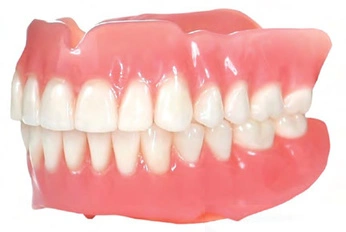
- Implant-retained dentures: Used for full-arch or partial-arch cases where the patient needs removable or fixed full-arch solutions.
- Screw-retained vs. cement-retained restorations: Each approach has clinical advantages depending on implant angulation and access.
Therefore, it is essential to work with a lab that understands each restoration type. A knowledgeable lab partner helps you select the best option for each patient case.
The Role of CAD/CAM Technology in Implant Restorations
CAD/CAM stands for Computer-Aided Design and Computer-Aided Manufacturing. This technology transforms digital impressions into precisely milled or 3D-printed restorations. As a result, the fit and accuracy are significantly improved compared to traditional methods.
Dentek Digital was one of the earliest adopters of the digital CAD/CAM workflow in the country. Because of this early investment, our team has deep experience managing complex implant cases with precision and efficiency. We combine technology with skilled craftsmanship to produce restorations that perform beautifully.
Why Digital Workflows Benefit Scottsdale Dental Practices
Scottsdale patients tend to be highly informed and esthetically motivated. They want restorations that look natural and last. Furthermore, they often compare experiences across multiple providers before committing to a practice.
A digital workflow allows your practice to offer faster turnaround times, more consistent results, and a streamlined experience. Moreover, digital records are easier to store, share, and revisit if adjustments are needed later.
Here is how a typical digital implant restoration workflow looks at Dentek Digital:
- Step 1: Your practice captures a digital scan of the implant site using an intraoral scanner.
- Step 2: You send the scan files and case details to our lab digitally.
- Step 3: Our technicians design the restoration in CAD software with precise occlusal and esthetic planning.
- Step 4: The restoration is milled or fabricated from high-quality materials.
- Step 5: We deliver the finished restoration to your practice, ready for placement.
This process reduces errors and eliminates the guesswork often associated with analog workflows. In addition, it supports a faster, more predictable experience for both you and your patients.
Materials Used for Implant Restorations
Material selection matters greatly in implant dentistry. The restoration must be strong enough to withstand occlusal forces. At the same time, it should look natural and integrate seamlessly with surrounding teeth.
Zirconia
Zirconia is one of the most popular materials for implant crowns and bridges. It is extremely durable and offers excellent esthetics. Furthermore, it is biocompatible, making it a reliable choice for long-term restorations.
Monolithic zirconia is often used in posterior cases where strength is the priority. Layered zirconia, on the other hand, provides superior esthetics for anterior restorations where appearance is critical.
PFM and Other Options
Porcelain-fused-to-metal (PFM) restorations are still used in certain clinical situations. However, many practices in Phoenix and Scottsdale are transitioning to full-zirconia options for their strength and esthetic advantages.
Additionally, PMMA (acrylic resin) is commonly used for provisional implant restorations. Provisionals protect the implant site during healing and help verify esthetics before the final restoration is delivered.
Implant Planning: A Digital Advantage
Proper implant placement is critical to a successful restoration outcome. For this reason, Dentek Digital offers digital implant planning as an advanced service. This allows your team to plan implant placement virtually before any surgery begins.
Digital implant planning uses CBCT scan data combined with digital impressions to create a detailed 3D surgical roadmap. As a result, implants can be positioned with the final restoration in mind. This approach is often called “restorative-driven implant planning,” and it leads to better esthetic and functional outcomes.
Practices in Scottsdale, Chandler, Mesa, and across the Greater Phoenix area are increasingly adopting this approach. It reduces surprises at the restorative stage and supports more confident case presentation to patients.
Surgical Guides
Surgical guides are custom fabricated tools that help surgeons place implants at the exact planned position and angulation. Therefore, when your lab designs a guide using the same digital data used for restoration planning, the workflow becomes fully connected.
Dentek Digital works seamlessly within this kind of coordinated, digital-first workflow. Our team understands how to align the planning and fabrication process for more predictable results.
TattooTH: Advanced Shade Matching Technology
One of the most common challenges in implant restorations is achieving a natural-looking shade match. This is especially important for anterior implant cases. Fortunately, Dentek Digital offers TattooTH — an advanced digital shade-matching service that takes the guesswork out of color selection.
TattooTH uses digital photography and calibrated shade analysis to capture the true color of adjacent teeth. As a result, our technicians can fabricate restorations that blend naturally with the patient’s smile. This service is particularly valuable for Scottsdale patients who prioritize esthetic outcomes.
Choosing the Right Dental Lab Partner in Arizona
Not all dental labs are created equal. When it comes to implant restorations, the lab you choose directly impacts your clinical outcomes. Here are some key factors to consider when evaluating a lab partner in the Greater Phoenix area.
- Digital capabilities: Does the lab use modern CAD/CAM technology and accept digital scans?
- Implant system compatibility: Can the lab work with major implant brands and their prosthetic components?
- Turnaround time: Can the lab meet your clinical schedule without sacrificing quality?
- Communication: Is the lab team responsive and easy to work with when questions arise?
- Range of services: Can the lab handle provisionals, finals, planning, and shade matching all in one place?
Moreover, a local lab partnership offers real advantages. Faster shipping, easier communication, and the ability to collaborate on complex cases all contribute to better outcomes. Dentek Digital serves practices throughout Phoenix, Scottsdale, Tempe, and the surrounding region with this local-first mindset.
Frequently Asked Questions About Implant Restorations
What implant systems does Dentek Digital work with?
We work with a wide range of major implant systems and their corresponding prosthetic components. If you have a specific implant brand in your practice, contact our team to confirm compatibility before submitting a case.
Do I need to use a digital scanner to send implant cases?
A digital intraoral scanner is strongly recommended for implant cases. Digital scans provide greater accuracy than traditional impressions, especially at the implant level. However, we can discuss your specific workflow and capabilities with you directly.
How long does it take to receive a finished implant restoration?
Turnaround times vary depending on the complexity of the case and the type of restoration. We work efficiently to meet your practice’s scheduling needs. Contact our team for specific turnaround estimates based on your case type.
What is the difference between screw-retained and cement-retained implant crowns?
Screw-retained crowns attach directly to the implant abutment with a screw. They are retrievable, which makes them easier to access if maintenance is needed. Cement-retained crowns are bonded to a custom abutment. Each has clinical advantages. Your treatment plan and implant angulation typically guide the decision.
Can Dentek Digital help with full-arch implant cases?
Yes. We fabricate restorations for full-arch implant cases, including implant-supported fixed bridges and hybrid prostheses. These are complex, high-stakes restorations. Therefore, close collaboration between your practice and our lab team is especially important for these cases.
Partner With Dentek Digital for Your Scottsdale Implant Cases
Dental implant restorations require precision at every step. From digital scanning to final delivery, each part of the workflow matters. At Dentek Digital, we bring national-level digital dentistry expertise to practices right here in the Greater Phoenix area.
We serve dentists in Scottsdale, Mesa, Chandler, Tempe, and throughout Arizona who want a lab partner they can trust. Our team is committed to quality, accuracy, and responsive communication on every case we receive.
If you are ready to elevate your implant restoration workflow, we are here to help. Contact Dentek Digital today to send us a case or to discuss how we can support your practice’s implant needs.