
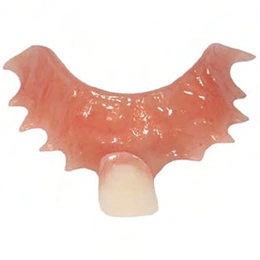
Patients in Summerlin, NV are increasingly asking their dentists about dental implant options. It’s easy to understand why. Implants offer a long-lasting, natural-looking solution for missing teeth. Moreover, advances in digital dentistry have made the entire process more precise and predictable than ever before.
Dentists across the country are partnering with digital dental labs to deliver better implant results. For example, labs like Dentek Digital in Phoenix, Arizona use advanced CAD/CAM technology to fabricate implant restorations with exceptional fit and accuracy. As a result, patients enjoy stronger, more comfortable outcomes.
Whether you’re a dentist exploring implant solutions or a patient researching your choices, this guide covers the most important things to know. We’ll walk through the leading implant types, the role of digital workflows, and how to choose the right path forward.
Why Dental Implants Have Become the Standard of Care
Dental implants have transformed restorative dentistry over the past few decades. They replace missing teeth at the root level, which preserves jawbone and facial structure. Additionally, they function and feel much like natural teeth.
Traditional options like bridges and dentures can shift over time. Implants, on the other hand, stay fixed in place. Because of this, patients often report higher satisfaction and improved quality of life.
Dentists also appreciate implants for their versatility. They can support single crowns, bridges, or full-arch restorations. Furthermore, modern digital planning tools have made placement more accurate and efficient than ever.
The Role of the Dental Lab in Implant Success
Many people focus on the surgical side of implants. However, the restoration — the crown, bridge, or prosthesis placed on the implant — is equally critical. A poorly fabricated restoration can cause fit issues, discomfort, and premature failure.
Digital dental labs play a major role here. They use CAD/CAM (computer-aided design and manufacturing) technology to design and mill restorations with high precision. Therefore, the final result fits better, lasts longer, and looks more natural.
Dentek Digital, based in Phoenix, Arizona, is a national leader in this space. We were among the earliest adopters of the digital CAD/CAM workflow in the country. As a result, dentists across the Greater Phoenix area — from Mesa to Chandler to Scottsdale — trust us with their most demanding implant cases.
A Breakdown of the Best Dental Implant Options
Not every patient needs the same implant solution. Therefore, it helps to understand the most common options available today. Each has unique advantages depending on the patient’s situation.
Single-Tooth Implants
A single-tooth implant replaces one missing tooth with a titanium post and a custom crown. This is the most straightforward implant option. Additionally, it preserves the adjacent natural teeth, unlike a traditional bridge.
The crown placed on top is fabricated by the dental lab. Digital labs use precise scanning and milling to create a crown that matches the surrounding teeth in shape, size, and shade. Furthermore, the fit is typically more accurate than with traditional methods.
Implant-Supported Bridges
When a patient is missing multiple consecutive teeth, an implant-supported bridge is often a strong choice. Two or more implants anchor a bridge that spans the gap. As a result, patients avoid the discomfort of removable partials.
Digital design tools allow lab technicians to plan the bridge with exceptional precision. Moreover, the digital workflow shortens turnaround times for dentists and their patients. This benefits practices in busy communities like Gilbert and Tempe.
All-on-4 and Full-Arch Implants
Full-arch implant solutions like All-on-4 are ideal for patients missing most or all of their teeth. This approach uses four strategically placed implants to support a complete arch of teeth. Therefore, patients can avoid traditional removable dentures entirely.
These cases require close collaboration between the surgeon, the restorative dentist, and the dental lab. Digital planning tools make this teamwork much more efficient. For example, Dentek Digital offers advanced digital implant planning services to support these complex cases from start to finish.
Implant-Supported Overdentures
An implant-supported overdenture snaps onto two to four implants for added stability. It is still removable, but it stays in place far better than a conventional denture. Additionally, it helps maintain jawbone density over time.
This option is often a cost-effective middle ground for patients who want more stability without a full fixed restoration. Furthermore, the digital fabrication of the overdenture ensures a more precise fit than traditional methods.
How Digital Technology Elevates Implant Restorations
Digital dentistry has fundamentally changed how implant restorations are designed and made. Traditional methods relied on physical impressions and manual fabrication. Today, digital workflows use intraoral scans, 3D design software, and precision milling equipment.
First, the dentist takes a digital scan of the patient’s mouth. Next, that scan goes to the lab, where technicians design the restoration in specialized software. Then, milling machines cut the restoration from high-quality material with exceptional accuracy.
As a result, the restoration fits better right from the start. This reduces the need for adjustments and minimizes chair time. Moreover, digital records are easy to store and reference for future cases.
CAD/CAM Materials for Implant Restorations
Modern implant restorations are fabricated from a range of high-performance materials. Zirconia is one of the most popular choices for its strength and natural appearance. Additionally, it is highly biocompatible, making it an excellent choice for implant crowns and bridges.
Other materials include high-strength ceramics and advanced acrylic composites for full-arch cases. The digital workflow allows technicians to select the best material for each specific case. Therefore, dentists and patients benefit from restorations tailored to their unique needs.
Digital Implant Planning: A Game-Changer
Digital implant planning is one of the most exciting advances in restorative dentistry. It allows the surgical team and the lab to collaborate before a single incision is made. As a result, placement is guided by the final restoration design, not the other way around.
Dentek Digital offers digital implant planning as part of our advanced services. We work directly with dentists in the Phoenix area — including those in Scottsdale, Mesa, Chandler, and Gilbert — to plan cases that predictably achieve the best outcomes. Because of this, complex full-arch cases become far more manageable.
What Dentists Should Look for in a Dental Lab Partner
Choosing the right dental lab is one of the most important decisions a practice can make. The lab’s quality directly impacts patient outcomes. Therefore, dentists should evaluate lab partners carefully.
First, look for a lab with deep experience in implant restorations. Not all labs specialize in this area. Additionally, confirm that the lab uses a fully digital workflow with modern CAD/CAM equipment.
Communication is equally important. The best lab partners respond quickly, provide detailed case feedback, and work collaboratively with the clinical team. Furthermore, a lab with short, reliable turnaround times keeps your schedule on track.
Dentek Digital checks all of these boxes. We are recognized as a national leader in digital dentistry, and we partner with dental professionals throughout the Greater Phoenix area to deliver precise, reliable results every time.
Frequently Asked Questions About Dental Implant Options
What is the most durable dental implant restoration material?
Zirconia is widely considered one of the most durable materials for implant crowns and bridges. It offers excellent strength and a natural tooth-like appearance. Additionally, it resists chipping and discoloration over time.
How does digital planning improve implant outcomes?
Digital planning allows the surgical and restorative teams to coordinate before treatment begins. As a result, implant placement is guided by the ideal position for the final restoration. This improves both function and aesthetics.
Can a dental lab help with full-arch implant cases?
Absolutely. Full-arch cases require close collaboration between the dentist and the lab. A skilled digital lab can design and fabricate the entire prosthesis with precision. Furthermore, labs like Dentek Digital offer dedicated implant planning support for complex cases.
How long does it take to receive an implant restoration from a digital lab?
Turnaround times vary depending on the complexity of the case. However, digital workflows are generally faster than traditional methods. Simple crowns often arrive within a few business days, while full-arch cases may take longer.
What should I send my dental lab for an implant case?
Most digital labs accept intraoral scans, implant analog records, and shade information. Your lab should provide clear guidelines for case submission. Additionally, open communication with your lab technician helps ensure the best possible result.
Partner with Dentek Digital for Exceptional Implant Restorations
At Dentek Digital, we are passionate about helping dentists deliver outstanding implant outcomes. We combine the latest CAD/CAM technology with skilled craftsmanship to fabricate restorations that fit beautifully and last. Moreover, our team is deeply experienced with the full range of dental implant options available today.
We proudly serve dental practices throughout the Greater Phoenix area, including communities in Mesa, Tempe, Chandler, Gilbert, and Scottsdale. Additionally, we work with dentists nationwide who need a trusted digital lab partner for their most demanding cases.
If you’re ready to elevate your implant workflow, we’d love to connect. Contact Dentek Digital today to send us a case or discuss how we can support your practice. Our team is here to help you deliver the results your patients deserve.