
Choosing the right dental implant options is one of the most important decisions a patient and their dentist can make together. Implants offer a long-term solution for missing teeth. They also restore function, confidence, and overall oral health.
However, not all implant restorations are created equal. The quality of the dental lab behind the restoration matters just as much as the implant itself. That is why dentists across the Greater Phoenix area — from Scottsdale to Chandler — rely on advanced digital workflows to deliver better outcomes for their patients.
At Dentek Digital, we fabricate high-quality implant restorations using state-of-the-art CAD/CAM technology. Therefore, this guide will walk you through the most important dental implant options available today, and explain how a precision-focused digital lab makes all the difference.
What Are Dental Implants and Why Do They Matter?
Dental implants are titanium posts that a dentist surgically places into the jawbone. They act as artificial tooth roots. Over time, they fuse with the bone in a process called osseointegration.
Once healed, an abutment and a custom crown are attached on top. The result looks, feels, and functions like a natural tooth. Additionally, implants help preserve jawbone density that is otherwise lost when teeth are missing.
For patients and their providers, selecting the right implant restoration type is critical. The restoration sits above the gum line and is what people actually see. Therefore, precision fabrication is essential for both aesthetics and long-term function.
How Digital Technology Improves Implant Restorations
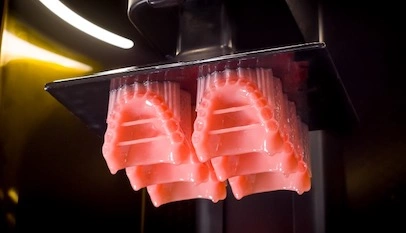
Traditional dental labs relied heavily on manual techniques. Digital labs, on the other hand, use CAD/CAM (computer-aided design and computer-aided manufacturing) technology. This approach produces restorations with exceptional accuracy and consistency.
At Dentek Digital, we were among the earliest adopters of the digital CAD/CAM workflow in the country. As a result, dentists in Mesa, Tempe, Gilbert, and beyond trust us to fabricate restorations that fit precisely and perform reliably. Digital workflows also reduce turnaround time, which benefits both practices and their patients.
Common Dental Implant Options Explained
There are several types of implant restorations dentists and patients can consider. Each option serves a different clinical need. Understanding these differences helps providers recommend the most appropriate solution.
Single-Tooth Implant Crowns
This is the most common implant restoration. A single crown replaces one missing tooth. The crown is custom-designed to match the surrounding teeth in size, shape, and color.
At Dentek Digital, we fabricate single implant crowns using advanced milling and sintering technology. Furthermore, our digital workflow ensures that each crown fits the implant abutment with precise accuracy. Dentists in Chandler and Scottsdale consistently rely on this solution for predictable, natural-looking results.
Implant-Supported Bridges
When a patient is missing multiple adjacent teeth, an implant-supported bridge is often the right choice. Two or more implants support a bridge spanning the gap. This eliminates the need to crown healthy adjacent teeth, which is a key advantage.
Digital design allows our team to engineer bridges with ideal occlusal contacts and natural contours. As a result, the restoration integrates beautifully with the patient’s bite. This solution is highly popular among dental practices throughout the Greater Phoenix area.
Implant-Supported Full-Arch Restorations
Full-arch implant restorations replace an entire upper or lower arch of teeth. These include solutions commonly known as All-on-4 or All-on-X protocols. Additionally, screw-retained full-arch prostheses are another widely used option.
These restorations require an especially high level of precision. Therefore, digital fabrication is the gold standard. Our CAD/CAM workflow at Dentek Digital enables us to produce full-arch restorations that are accurate, durable, and esthetically excellent.
Screw-Retained vs. Cement-Retained Restorations
Dentists often choose between screw-retained and cement-retained implant crowns. Screw-retained restorations are retrievable, making maintenance easier. Cement-retained options can sometimes offer a cleaner emergence profile in certain cases.
On the other hand, each case is unique. The implant position, angulation, and patient anatomy all influence this decision. Our lab works closely with dental providers to ensure the right design choice is made for every case.
Advanced Implant Services at Dentek Digital
Beyond standard implant crowns and bridges, Dentek Digital offers advanced services that support the full digital implant workflow. These services help dentists plan and execute complex cases with greater confidence.
Digital Implant Planning
Digital implant planning uses cone beam CT (CBCT) data and advanced software to map out implant placement before surgery. This allows dentists to visualize ideal positioning in three dimensions. Furthermore, it supports the fabrication of surgical guides that make placement more predictable.
Our team supports digital implant planning as part of our comprehensive lab services. Practices in Mesa, Gilbert, and across the Greater Phoenix area use this service to improve surgical accuracy and patient outcomes. Because of this, the entire implant process becomes more efficient from start to finish.
TattooTH Custom Implant Restorations
TattooTH is one of our most innovative service offerings. It allows for custom artistic elements to be applied to restorations, giving patients a truly personalized experience. Meanwhile, the structural integrity of the restoration is never compromised.
This service reflects our commitment to combining technology with skilled craftsmanship. It is just one example of how Dentek Digital goes beyond standard lab services to support dentists and their patients in unique ways.
Materials Used in Implant Restorations
The material chosen for an implant restoration affects its strength, appearance, and longevity. Dentek Digital works with several premium materials to meet varying clinical needs.
Zirconia
Zirconia is one of the most popular materials for implant crowns and bridges today. It is extremely strong and highly biocompatible. Additionally, modern zirconia offers excellent translucency for natural-looking esthetics.
We mill and sinter zirconia restorations in-house using precision equipment. As a result, dentists receive crowns and bridges that are both beautiful and exceptionally durable. Zirconia is especially well-suited for posterior implant cases where bite forces are highest.
Porcelain-Fused-to-Metal and Hybrid Options
In some cases, porcelain-fused-to-metal (PFM) or hybrid ceramic materials may be appropriate. These options offer specific advantages depending on the clinical situation. Our team evaluates each case to recommend the most suitable material.
Furthermore, for full-arch cases, we often work with high-strength hybrid materials that balance esthetics with the demands of long-span restorations. Every material decision is guided by clinical evidence and lab expertise.
How Dentek Digital Supports Dental Practices
We are more than a fabrication lab. We are a true partner to dental practices across the Greater Phoenix area. From Tempe to Scottsdale, our clients trust us to deliver consistent, high-quality restorations on time.
Our digital workflow means fewer remakes and better-fitting restorations. Moreover, we offer clear communication and responsive support throughout every case. Dentists can send cases digitally, which streamlines the entire process and reduces the risk of error.
We also work collaboratively on complex implant cases. Therefore, if a provider has questions about design choices or materials, our experienced technicians are ready to assist. This team approach leads to better outcomes for patients across the region.
Frequently Asked Questions About Dental Implant Options
What is the most durable material for implant crowns?
Zirconia is widely considered the most durable option for implant crowns. It resists chipping and fracture well. Additionally, it is biocompatible, making it a safe and reliable long-term choice.
How does a digital lab improve implant restoration quality?
Digital labs use CAD/CAM technology to design and mill restorations with high precision. This reduces human error and produces more consistent fits. As a result, digital restorations typically require fewer adjustments at delivery.
What is the difference between screw-retained and cement-retained implant crowns?
Screw-retained crowns attach directly to the implant with a screw. They are easier to remove for maintenance. Cement-retained crowns are cemented onto an abutment and may offer certain esthetic advantages in specific cases.
Can a dental lab help with full-arch implant cases?
Yes. An experienced digital lab like Dentek Digital specializes in full-arch implant restorations. We fabricate screw-retained arches, hybrid prostheses, and other complex solutions with precision and care.
How do I send a case to Dentek Digital?
Sending a case is straightforward. Dental practices can submit digital scans or traditional impressions depending on their workflow. Our team reviews each case carefully and communicates with the provider throughout the process.
Partner With Dentek Digital for Precision Implant Restorations
Delivering excellent implant outcomes starts with choosing the right lab partner. At Dentek Digital, we combine cutting-edge CAD/CAM technology with hands-on expertise to fabricate restorations that dentists and patients can trust. We proudly serve practices across Greater Phoenix, including Mesa, Chandler, Tempe, Gilbert, and Scottsdale.
Whether you need a single implant crown, a multi-unit bridge, or a full-arch restoration, our team is ready to support your case from start to finish. Furthermore, our advanced services like digital implant planning give your practice a competitive edge.
Ready to elevate the implant restorations you offer your patients? Contact Dentek Digital today and let our experienced team help you deliver the precise, high-quality results your patients deserve.